

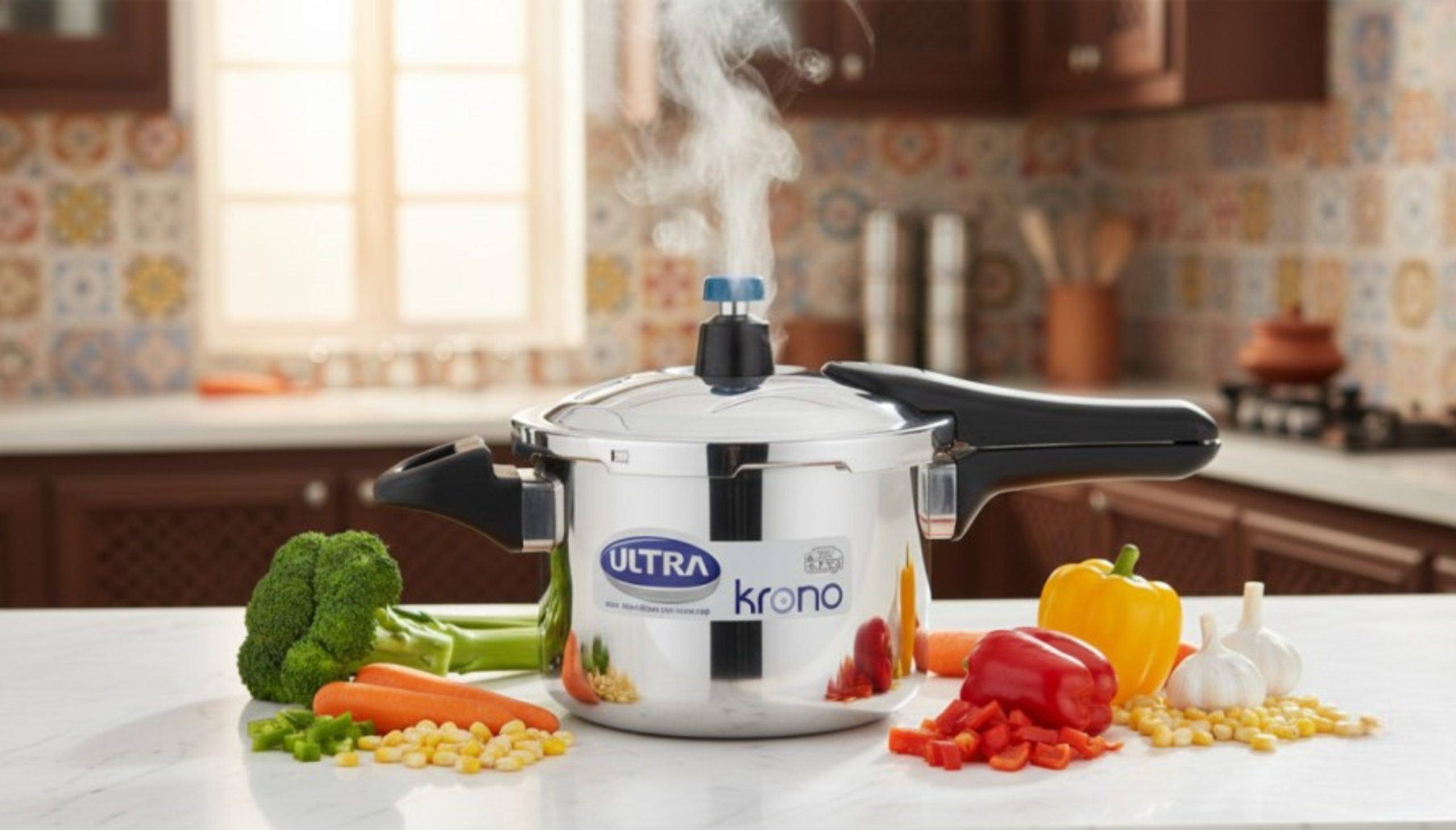
Whistle Counting vs Timer-Based Cookers: Which Truly Wins in Today’s Kitchen?
Pressure cookers have been the foundation of Indian cooking for decades. Whether it is dal, biryani, rice, vegetables, or slow-cooked curries, the pressure cooker has always been trusted for convenience, speed, and consistent results. But one debate still continues in almost every household: is the traditional whistle-counting method better, or does timer-based cooking offer superior control and outcomes?
Traditional cooks rely on the familiar 3 whistle rule that has been passed down for generations. However, modern kitchens, energy-efficient burners, and busy routines have introduced the need for timer-based cooking, which focuses on precision. Both methods have strong advantages, and this blog explores them in depth. We compare whistle counting and timer-based cooking, evaluate their pros and cons, and understand how Ultra Pressure Cookers combine both methods seamlessly.
Whistle Counting Trusted by Generations
Whistle counting is one of the most recognizable and time-tested techniques in Indian kitchens. Many recipes are passed down purely based on the number of whistles needed to achieve the correct texture.
Why Whistle Counting Works ?
1 . Easy to remember
Whistle counts form the core of traditional Indian recipes. A few common examples include :
- 3 whistles for dal
- 2 whistles for rice
- 4 whistles for sambar
- 3 to 4 whistles for chicken
These counts have become instinctive for many home cooks.
2 . No extra tools required
You do not need a clock, timer, or special settings. The sound of the whistle itself becomes the indicator.
3 . Great for routine dishes
Families that cook similar meals every day find whistle counting easy and practical.
Limitations of Whistle Counting
1 . Inconsistent with modern burners
Today’s high-power burners heat faster, causing more rapid pressure build-up. A dish that once required 3 whistles may now overcook.
2 . Dependent on noise
In busy kitchens, loud households, or during multitasking, it is easy to miss whistles.
3 . Higher chance of undercooking or overcooking
If you walk away or get distracted, the cooker may complete additional whistles before you return.
4 . Variations depending on location and quantities
Larger food quantities, altitude differences, the age of the cooker, and water hardness can all influence whistle frequency.
Even with these limitations, whistle counting remains popular among those who prefer instinctive cooking.
Timer-Based Pressure Cooking The Modern Upgrade ;
Timer-based cooking has gained popularity because it delivers precision, convenience, and consistency. Rather than listening for whistles, you cook based on exact time.
Advantages of Timer-Based Cooking
-
Consistent results
Time-based cooking ensures the same outcome every time, even across different types of recipes.
-
Perfect for multitasking
You can set the timer and continue working without having to monitor the cooker. This is ideal for busy mornings and evening rush hours.
-
Excellent for batch cooking
Large quantities of dal, rice, vegetables, or meat benefit from controlled timing, which keeps texture uniform.
-
Supports modern ingredients
Millets, brown rice, quinoa, pasta, sweet potatoes, and steamed vegetables require precise timing for best results.
Challenges of Timer-Based Cooking
-
Learning curve
If you are used to whistle counting, converting whistles into minutes may take a few attempts.
-
Dependency on power for certain models
Electric pressure cookers require uninterrupted power supply.
-
Recipe conversion
A dish that normally takes 3 whistles may need 8 to 10 minutes of cooking time. Once you understand the conversion, the method becomes easy to follow.
Whistle vs Timer Which Method Should You Choose
There is no universal winner because both methods serve different cooking styles and needs.
Choose Whistle Counting If
- You prefer traditional cooking
- You cook the same dishes on a daily basis
- You rely on instinct more than precision
- You want a simple, fuss-free method
Choose Timer-Based Cooking If
- You multitask frequently
- You want consistent results every time
- You cook modern or complex recipes
- You need better control over texture and timing
The most practical choice is a cooker that supports both. This is where Ultra Pressure Cookers excel.
How Ultra Pressure Cookers Bring Both Methods Together
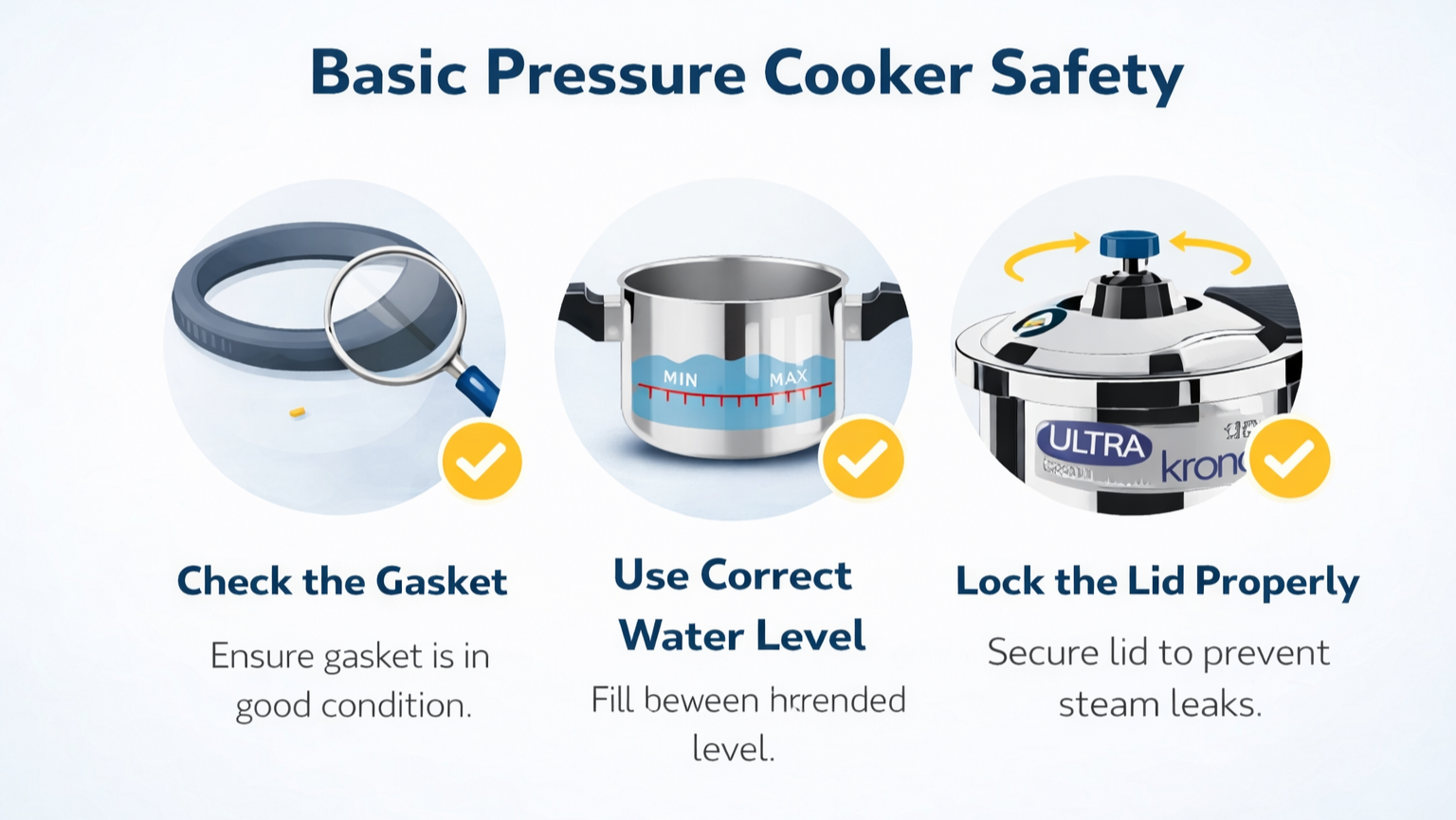
Ultra Pressure Cookers are engineered to deliver excellent results whether you follow whistle counting or timer-based cooking. They offer versatility, durability, and safety, making them an ideal fit for every modern household.
Even Heat Distribution
Ultra cookers distribute heat uniformly, which ensures that food cooks evenly. The design supports both whistle-based cooking and timer-based cooking effectively.
Recommended product
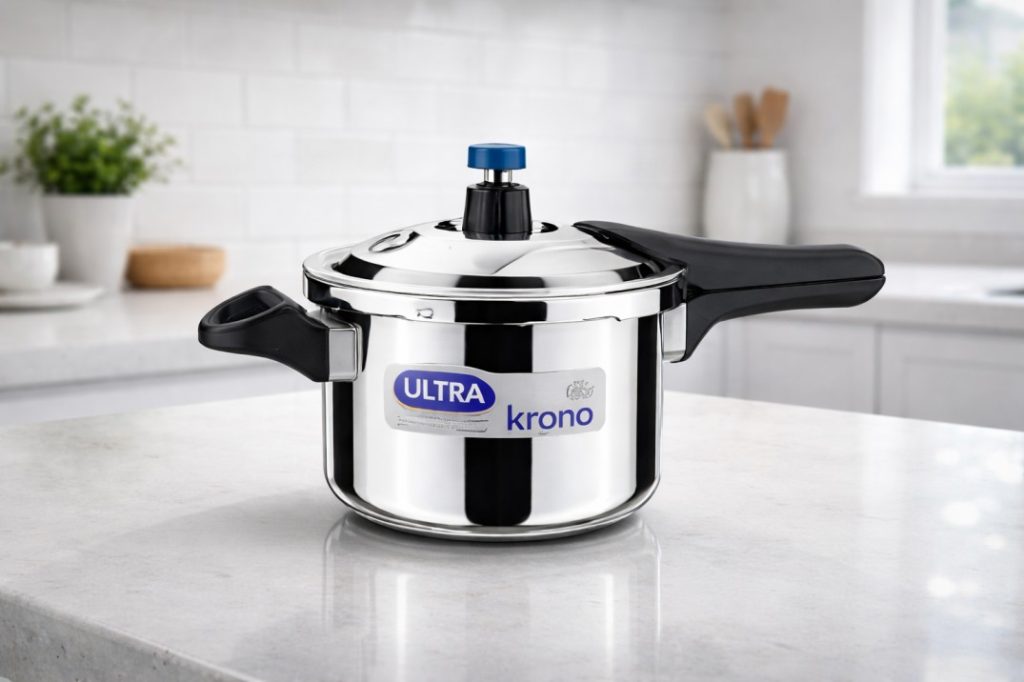
Ultra Duracook Pressure Cooker
High Quality Safety Valves
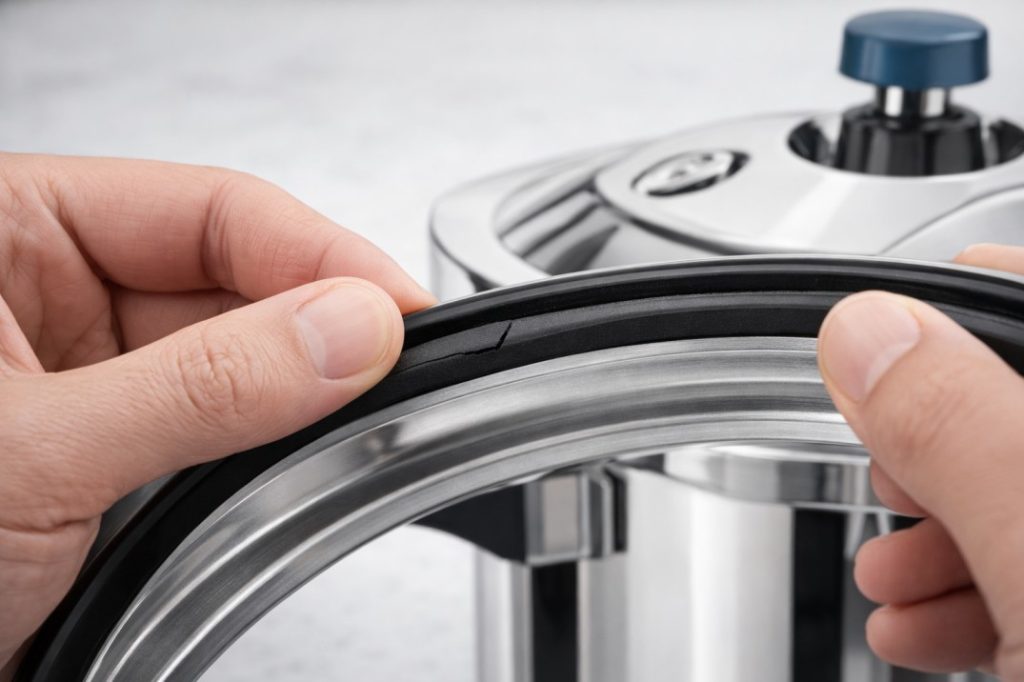
Ultra’s precision-engineered safety valves help regulate steam and pressure accurately. This makes the cooking process safe, stable, and suitable for both methods.
Recommended product
Ultra Sleek Pressure Cooker
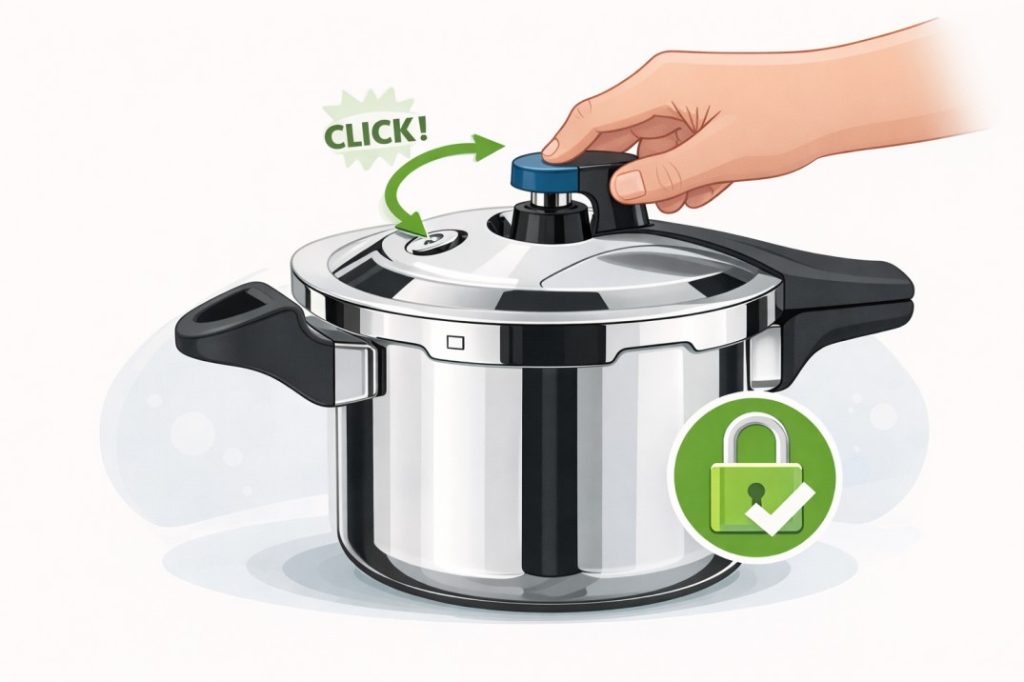
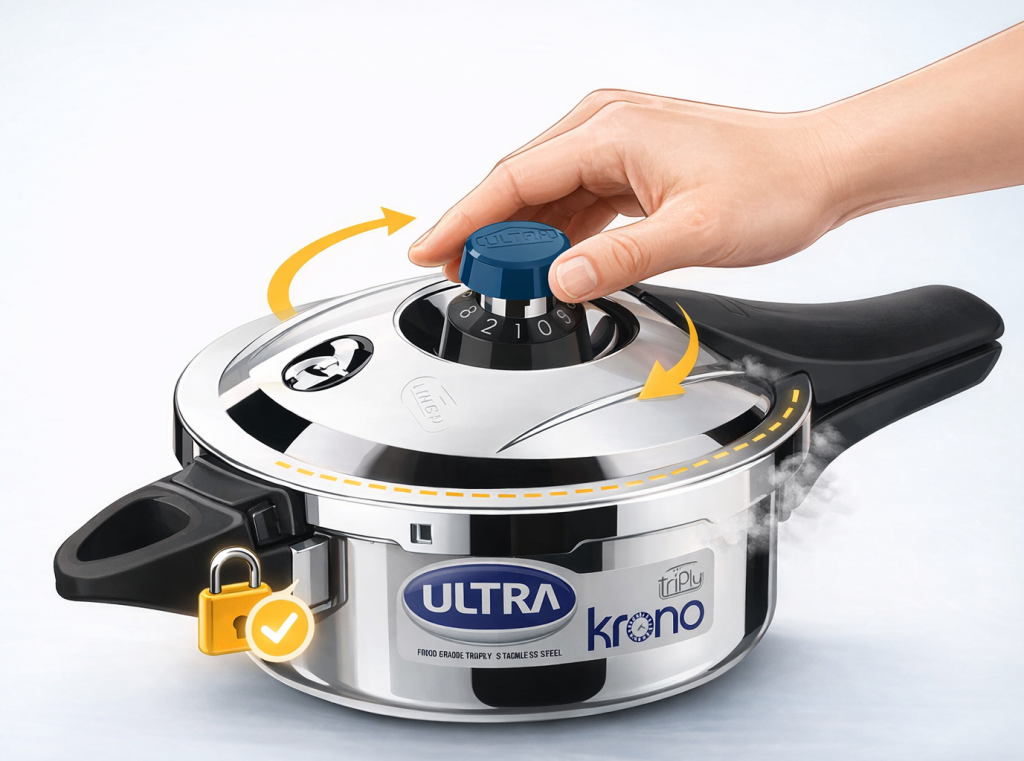
Quick Pressure Release
Timer-based cooking requires precise stopping points. Ultra’s quick pressure release mechanism helps you halt cooking at the right time, which is particularly important for vegetables, eggs, pasta, biryanis, and delicate recipes.
Strong and Durable Build
Ultra cookers are designed with high-grade materials for long-term performance. They handle both cooking methods effectively without compromising on efficiency.
Recommended product
Ultra Stainless Steel Pressure Cookers
Hybrid Method Recommendation
Many users combine both methods for accuracy and convenience.
For example
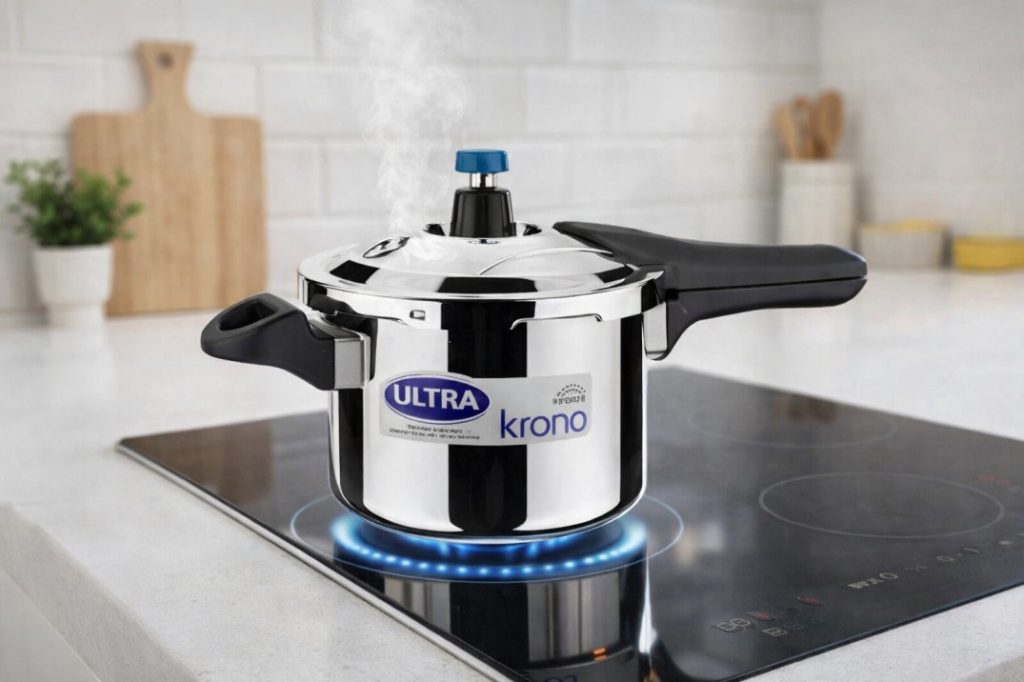
If dal needs 3 whistles, also set a 10 minute timer. This ensures consistent results even if you miss a whistle or your stove heats differently.
Practical Cooking Examples Whistle vs Timer
Here are commonly cooked dishes and their whistle-to-time conversions using an Ultra Pressure Cooker.
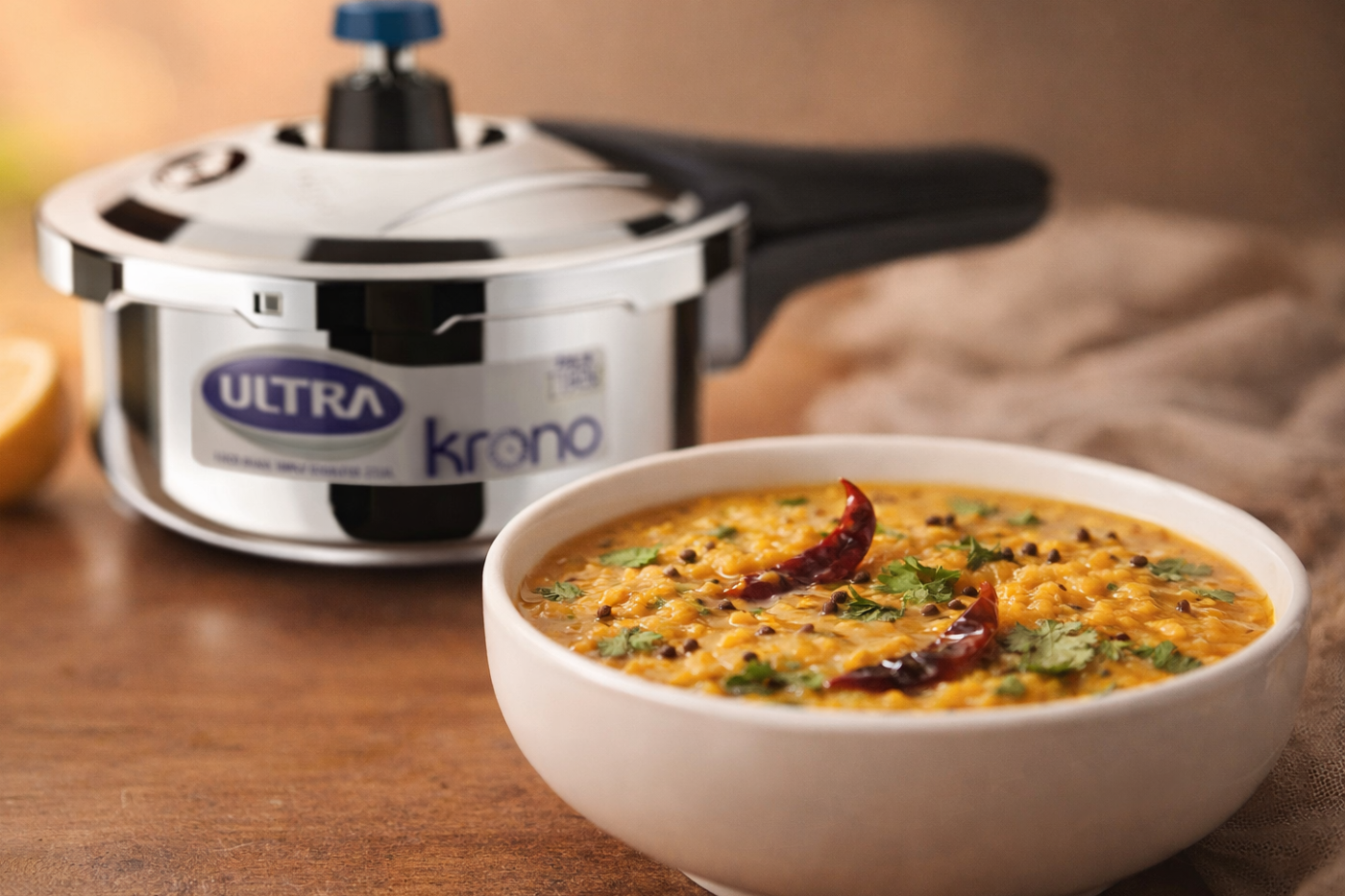
Dal Tadka
-
Whistles

- Timer 8 to 10 minutes on low flame
- Recommended Ultra Cooker Ultra Duracook 3L
Sambar Base
-
Whistles

- Timer After the first pressure rise, simmer for 10 minutes
- Recommended Ultra Cooker Ultra Duracook 5L
Chicken Curry
-
Whistles
to - Timer 12 to 15 minutes on medium flame
- Recommended Ultra Cooker Ultra Pressure Cooker 5.5L
Vegetable Kurma
-
Whistles

- Timer 7 minutes
- Recommended Ultra Cooker Ultra Sleek 3L
These conversions show how easy it is to use either method depending on your preference.
Final Verdict Which Method Is Better
There is no one method that suits everyone. The best choice depends on your lifestyle, cooking habits, and priorities.
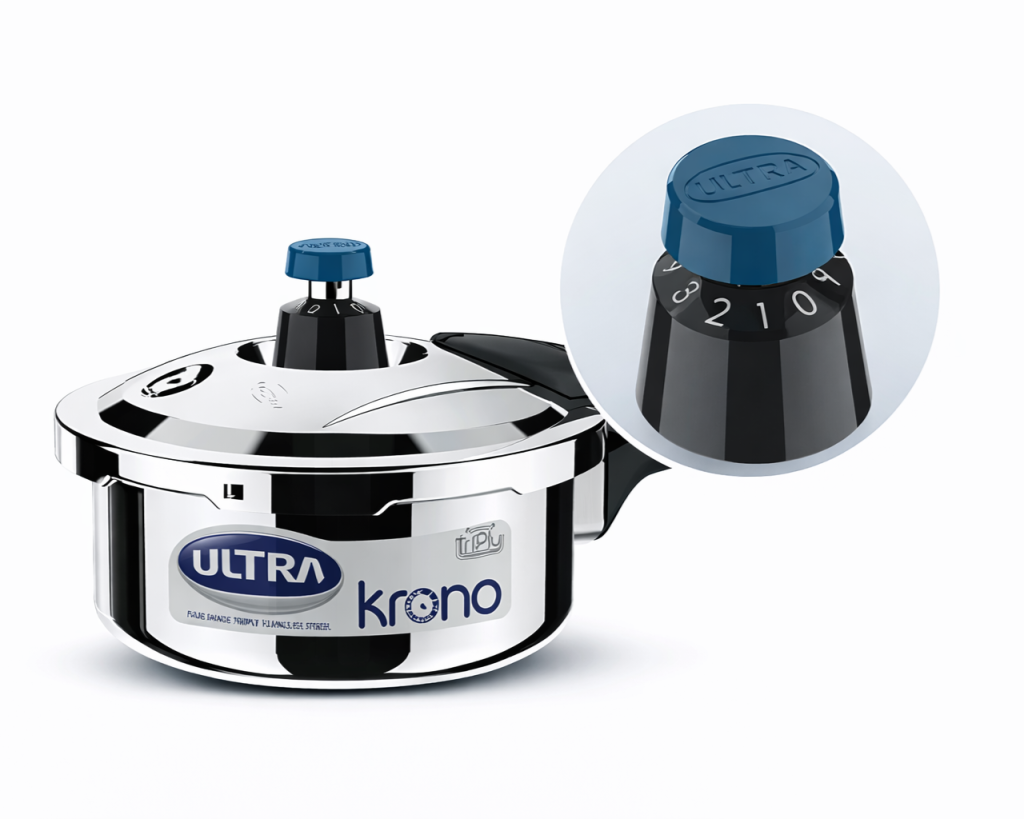
If you prefer traditional Indian cooking
Whistle-based cooking is simple, fast, and instinctive.
If you want precision and consistency
Timer-based cooking offers excellent control and repeatable results.
If you want flexibility
Ultra Pressure Cookers allow you to switch between both methods without compromise.
Whichever method you choose, Ultra ensures delicious, safe, and evenly cooked meals.
Explore Ultra Pressure Cooker Models
Ultra Duracook Pressure Cookers
Ultra Sleek Pressure Cookers
Ultra Stainless Steel Pressure Cookers
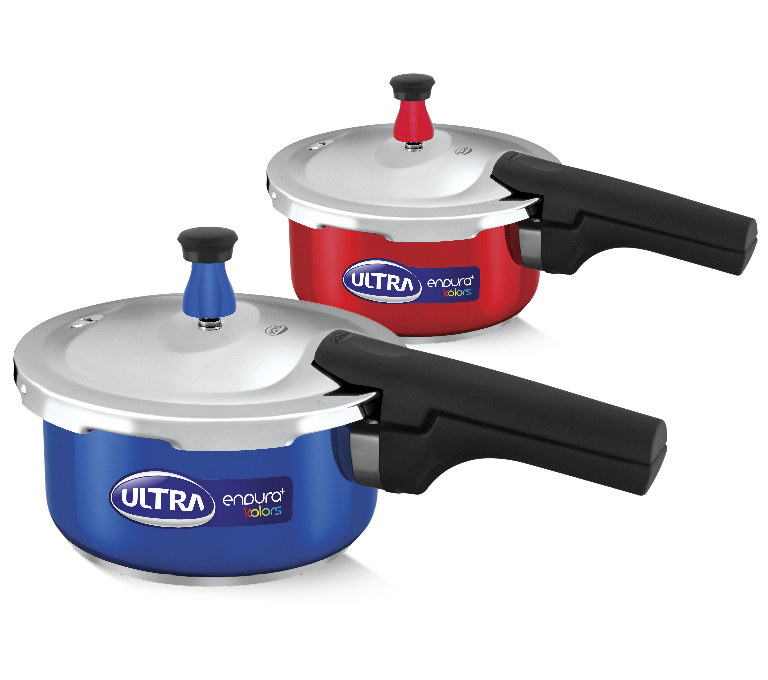
Elgi Ultra Pressure Cookers
A perfect companion in your kitchen, the Ultra range of pressure cooker’s features will delight you.

NO CHARRING
High-impact bonded base, helps prevent burning and sticking of food

FAST COOKING
High-impact bonded base, aids in faster cooking

STAYS WARM FOR LONGER
Keeps food warm for up to 2 hours

DISHWASHER SAFE
Dishwasher safe design, makes it easy to clean

BEAUTIFUL LOOKS
Impressive design, elegant to serve

10-YEAR WARRANTY
Valid in the country of purchase