

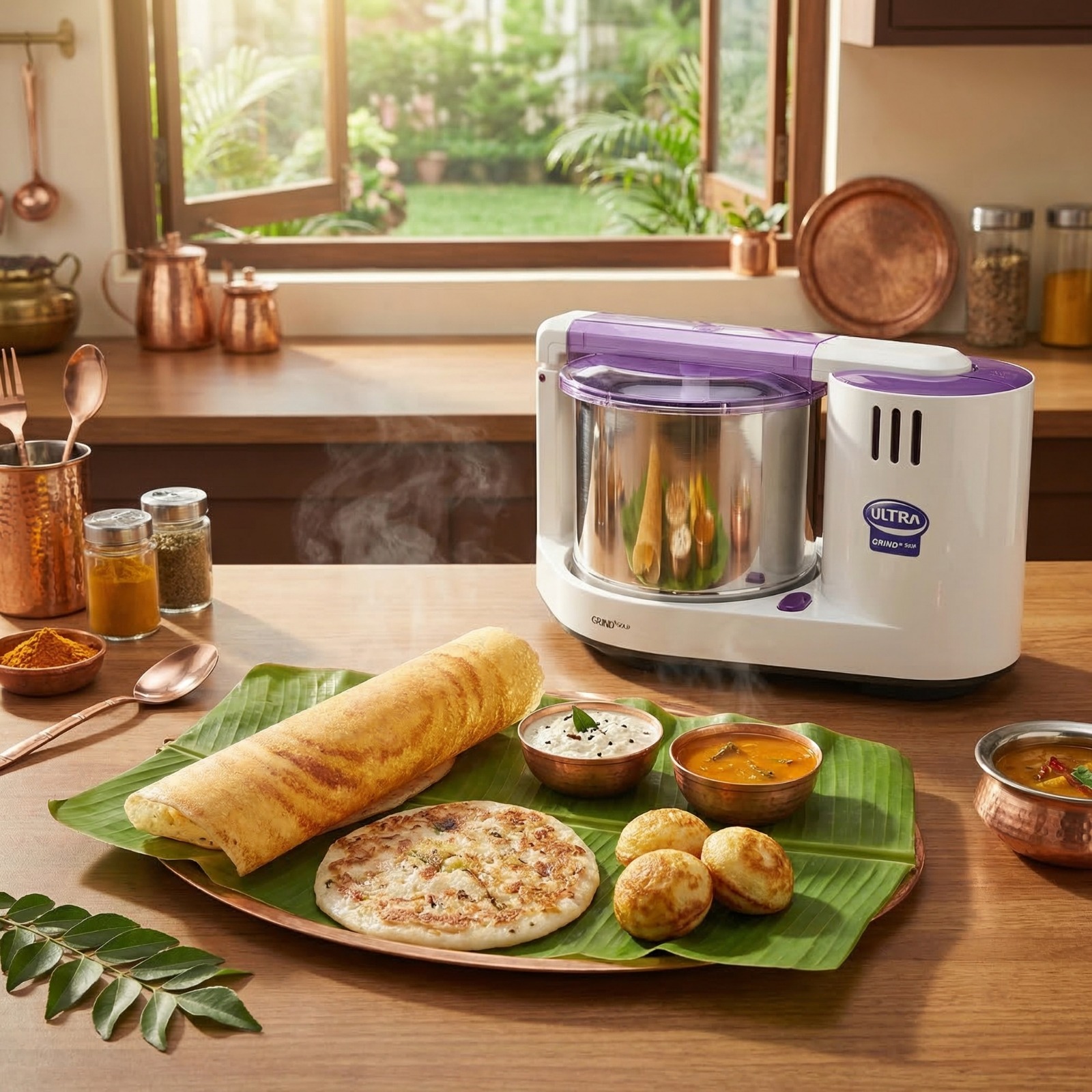
A Simple Weekend South Indian Breakfast Prep Guide Using a Wet Grinder
Weekend mornings tend to move at a slower pace in many South Indian homes. There’s usually more time to cook, more time to sit together, and more time to enjoy breakfast. Instead of rushing through toast or cereal, many families prefer something familiar. A plate of dosa, maybe uttapam later in the day, or paniyaram the next morning.
What makes these breakfasts manageable isn’t cooking everything from scratch each time. The real secret is the batter prepared a day earlier.
Once a good batch of fermented batter is ready, it quietly becomes the base for several meals. With a little planning, one round of grinding can easily cover the entire weekend.
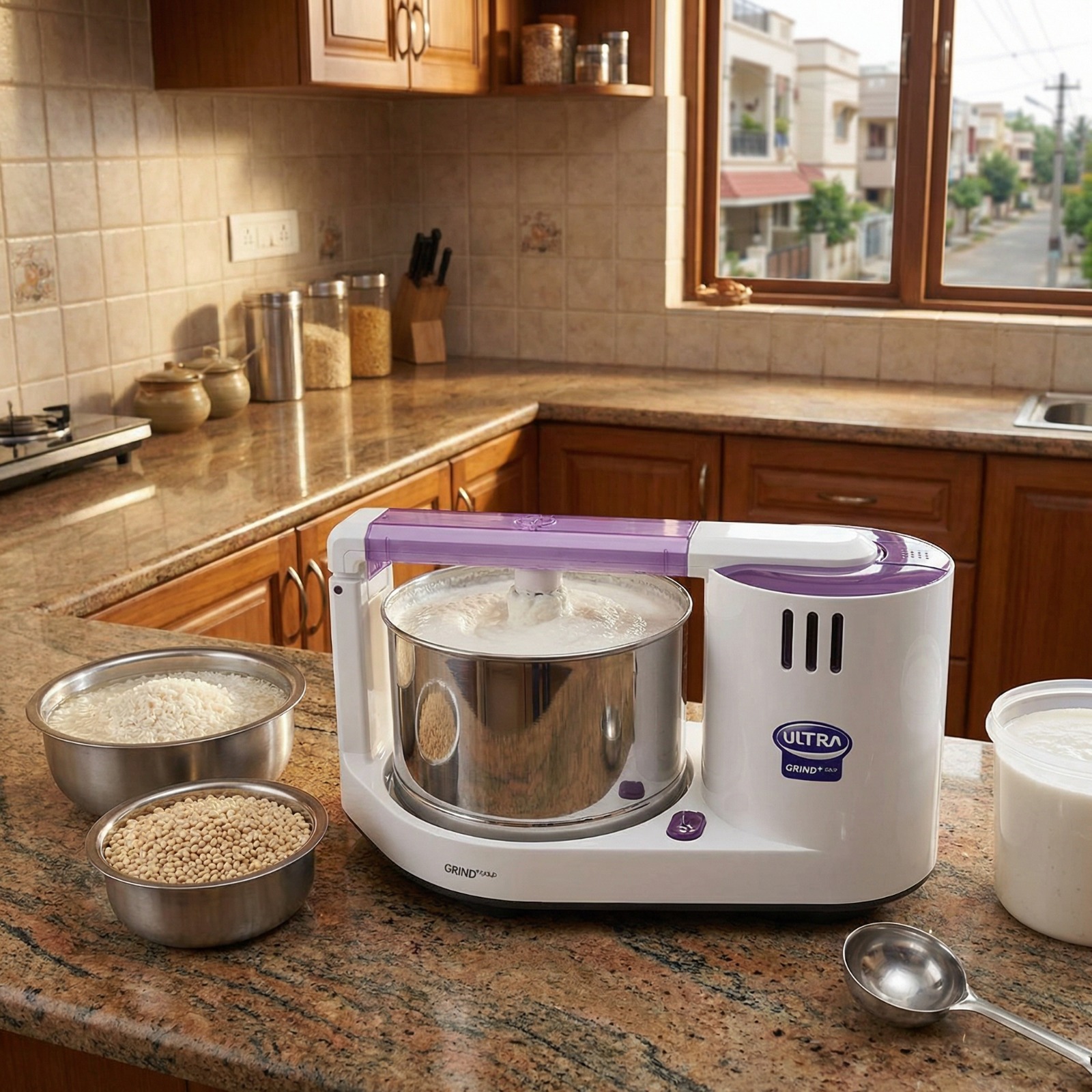
That’s also why many kitchens still rely on wet grinders when preparing dosa and idli batter. While mixer grinders can do the job quickly, the texture they produce is often different. Wet grinders work slowly, pressing soaked rice and lentils between rotating stones. The process takes longer, but the batter tends to ferment better and produce softer idlis and crispier dosas.
For example, many households use the Elgi Ultra Grind+ Gold Wet Grinder, a compact table-top model designed specifically for home kitchens. You can see the full details here:
https://www.elgiultra.com/grind-gold.html
Some families prefer the Elgi Ultra Perfect+ Wet Grinder, which includes a digital timer and a slightly larger grinding capacity. Product information is available here:
https://www.elgiultra.com/perfect.html
Both models follow the same principle. Slow grinding using conical stones helps preserve the natural texture of soaked grains.
Once you understand the rhythm of batter preparation, the rest of the weekend cooking becomes surprisingly easy.
Preparing the Batter
Most dosa, uttapam, and paniyaram recipes start with a similar batter. The difference comes later in how the batter is used.
Serves: about 5 to 6 people
Preparation time: 20 minutes
Soaking time: 4 to 6 hours
Grinding time: around 30 minutes
Fermentation: overnight
Ingredients
- 3 cups idli rice
- 1 cup whole urad dal
- 1 teaspoon fenugreek seeds
- Salt
- Water as needed
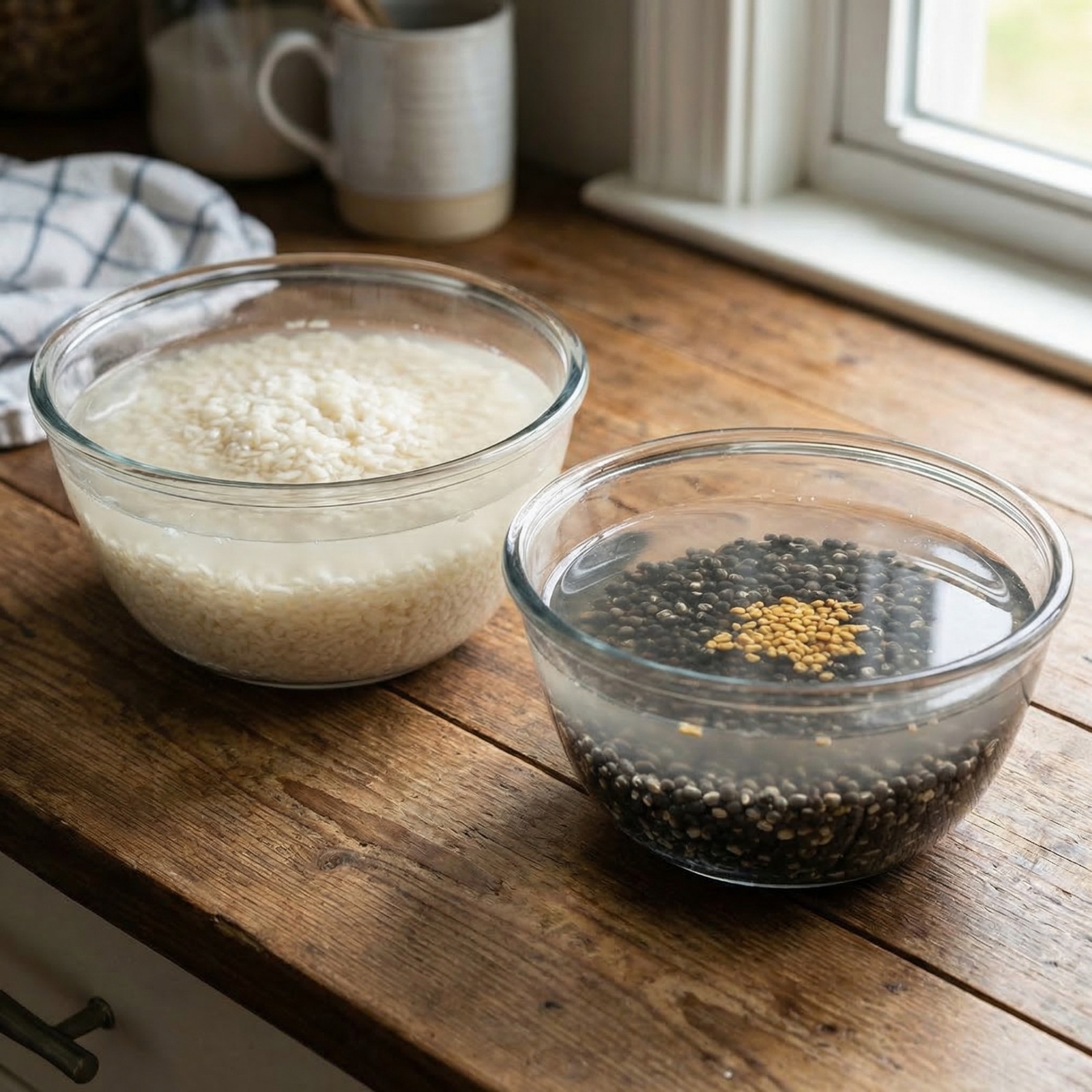
Start by washing the rice well. Usually two or three rinses are enough until the water looks clear. The rice then goes into a large bowl filled with water.
In a separate bowl, soak the urad dal along with the fenugreek seeds. Both ingredients need several hours to soften properly, so this step often happens sometime in the afternoon or early evening.
After four to six hours, the grains will be ready to grind.
Grinding the Batter
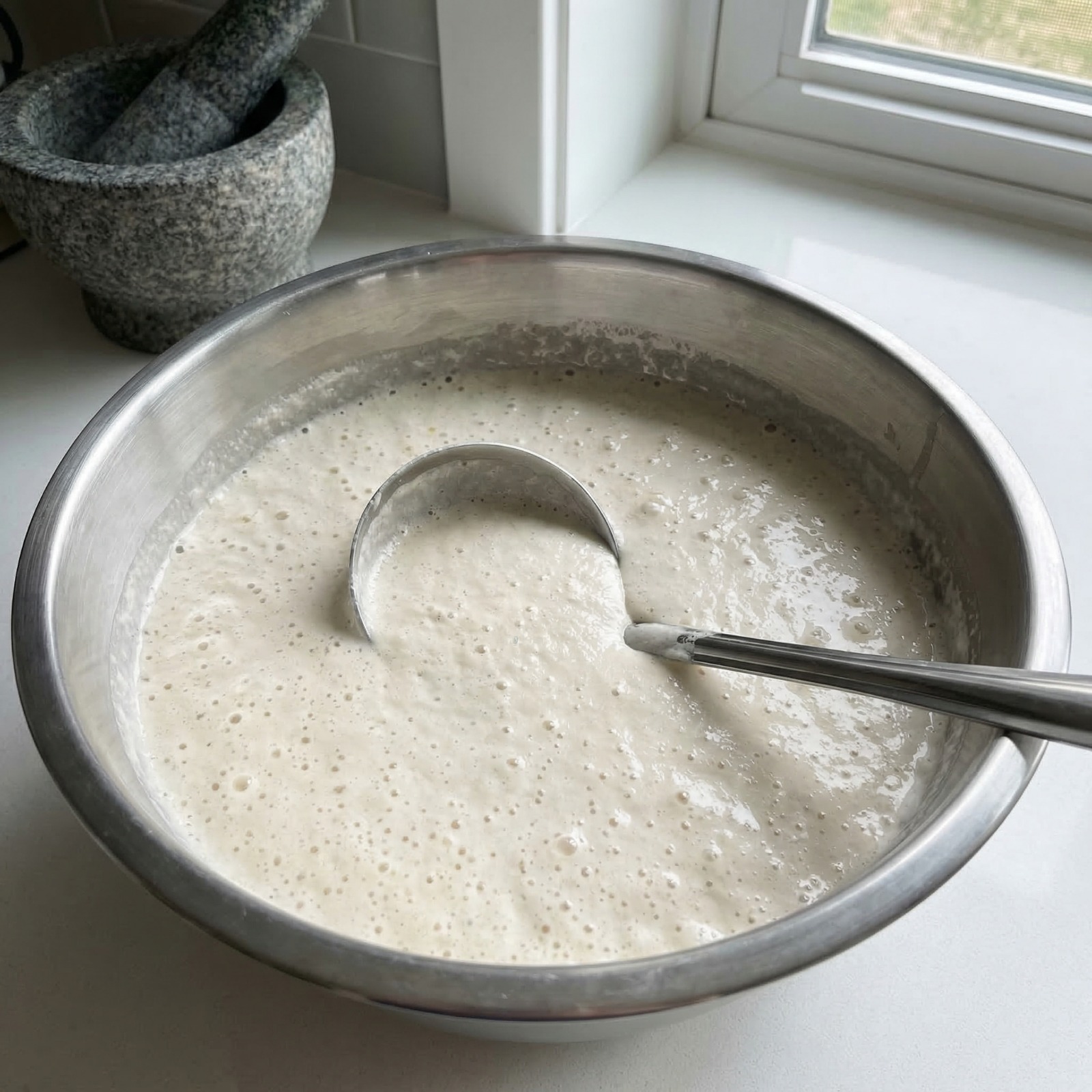
Combine both batters together in a large container. Add salt and mix everything thoroughly. Many cooks still prefer using their hands for this step because it distributes the ingredients evenly and introduces air into the batter.
Cover the bowl loosely and leave it in a warm place overnight. By morning, the batter should have risen slightly and developed a mild fermented smell. That is a good sign that it is ready to cook.
Grinding normally begins with the urad dal.
Add the soaked dal into the wet grinder with a little water and allow it to grind until it turns smooth and slightly fluffy. This stage matters more than many people realize. Properly ground urad dal is what gives idli their softness and helps dosa batter ferment well.
Wet grinders are particularly suited for this step. Instead of spinning blades at high speed, the stones rotate slowly and press the grains gently. In grinders like the Elgi Ultra Grind+ Gold Wet Grinder, this process usually takes around fifteen minutes.
Once the urad batter is ready, transfer it into a large bowl.
Next comes the rice. Add the soaked rice into the grinder and let it grind until it reaches a slightly coarse texture. The batter should not become completely smooth. That tiny bit of graininess helps dosa develop the right crispness later.
Saturday Morning Dosa
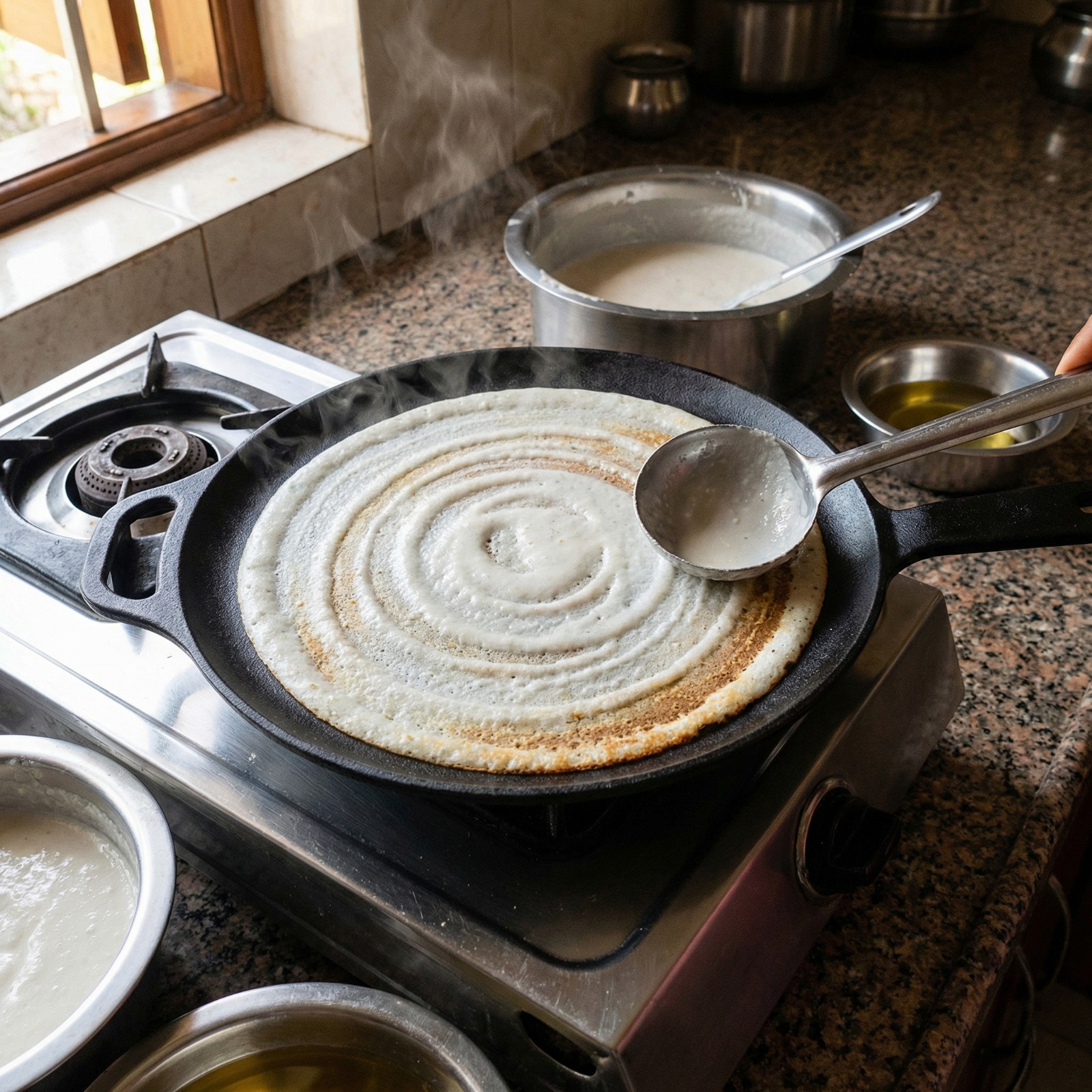
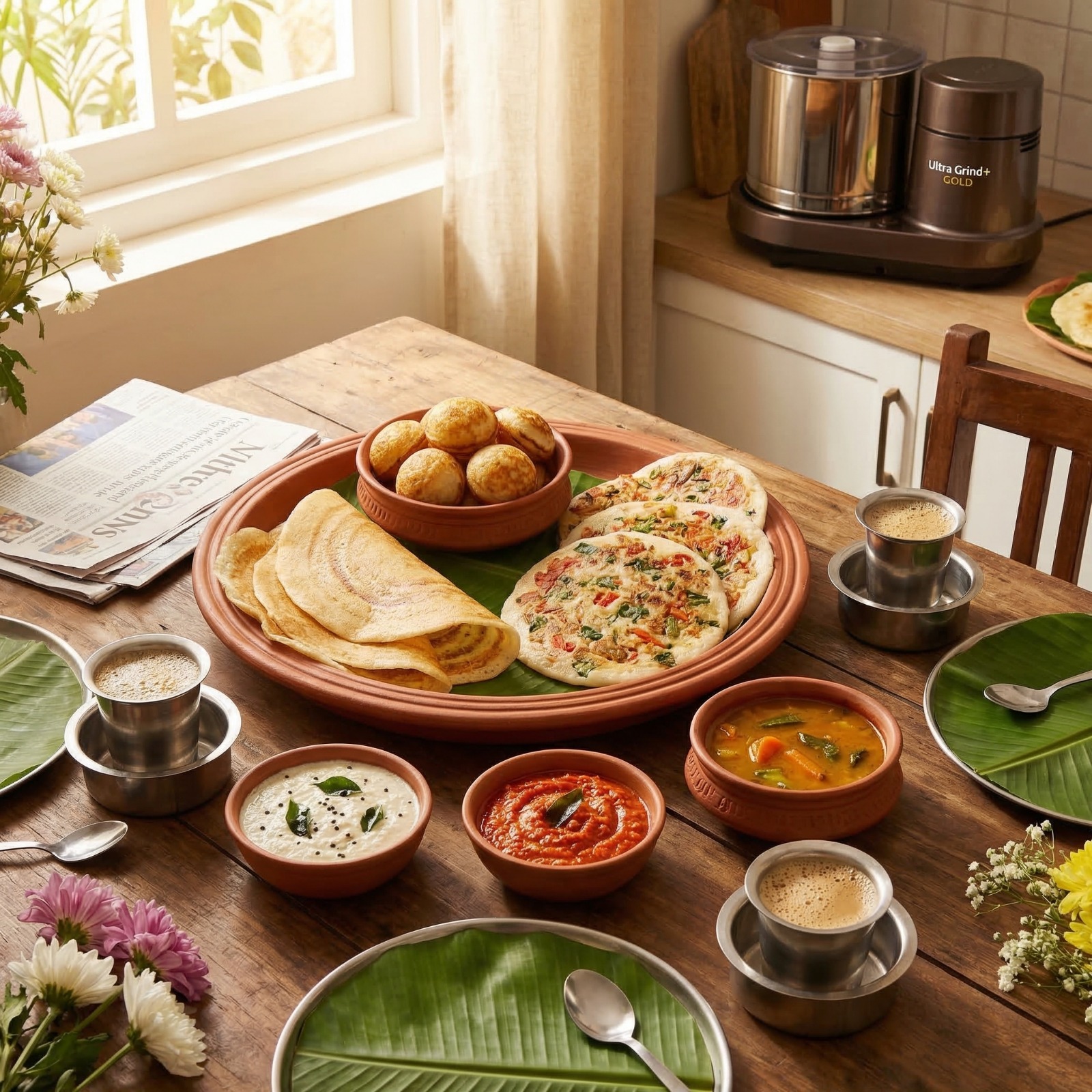
Fresh batter almost always makes the best dosas.
Heat a dosa tawa until it’s properly hot. Pour a ladle of batter in the center and spread it outward in a circular motion using the back of the ladle. The thinner the layer, the crisper the dosa usually becomes.
Add a small amount of oil or ghee around the edges and allow it to cook until the base turns golden.
At this stage, the dosa lifts easily from the pan. Some people flip it briefly, while others prefer serving it straight away.
Paired with coconut chutney or sambar, it becomes a classic weekend breakfast.
Saturday Evening Uttapam
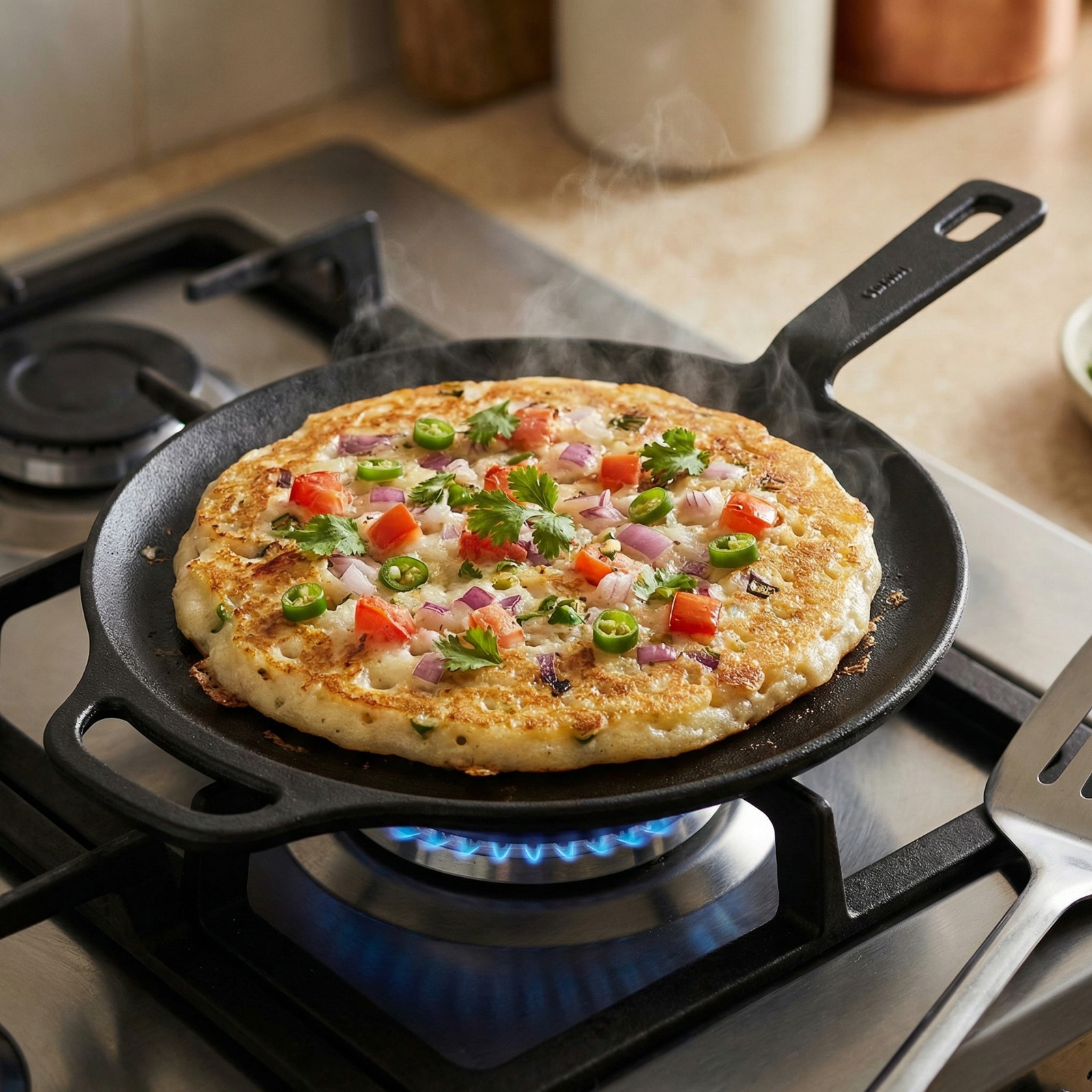
Later in the day, the same batter can be used in a different way.
Instead of spreading the batter thin like dosa, pour it thicker onto the pan. Scatter chopped onions, tomatoes, green chillies, and coriander leaves on top.
The batter cooks slowly, forming a soft interior with lightly crisp edges.
Uttapam works particularly well when the batter has fermented a little longer. The slight tang adds to the flavour.
For families that prepare batter frequently, a grinder with slightly larger capacity can be useful. Some households choose models like the Elgi Ultra Bigg+ 2.5L Wet Grinder, which can grind bigger batches when needed. You can explore that model here:
https://www.elgiultra.com/bigg.html
Sunday Morning Paniyaram
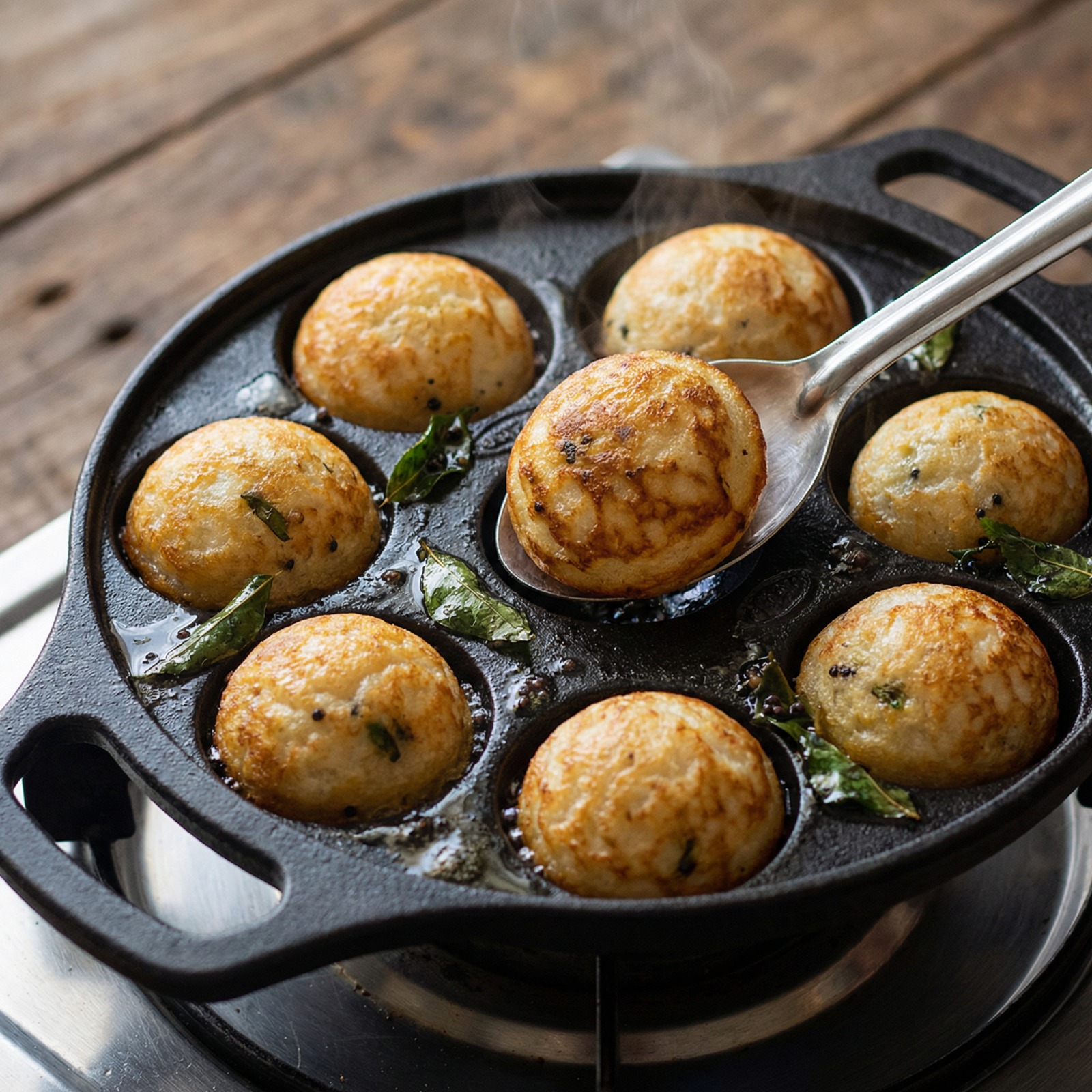
By Sunday, the batter usually becomes a little more fermented. Instead of making another round of dosa, many kitchens turn it into paniyaram.
A paniyaram pan works best for this dish.
Heat a little oil in each cavity. Prepare a quick tempering with mustard seeds, curry leaves, chopped onions, and green chillies. Mix this tempering into the batter.
Pour small portions into each cavity of the pan and allow them to cook slowly. The outside becomes golden and slightly crisp while the inside remains soft.
Once the bottom browns, flip them gently to cook the other side.
Served hot with chutney, paniyaram often becomes the final meal from the weekend’s batter.
Storing the Remaining Batter
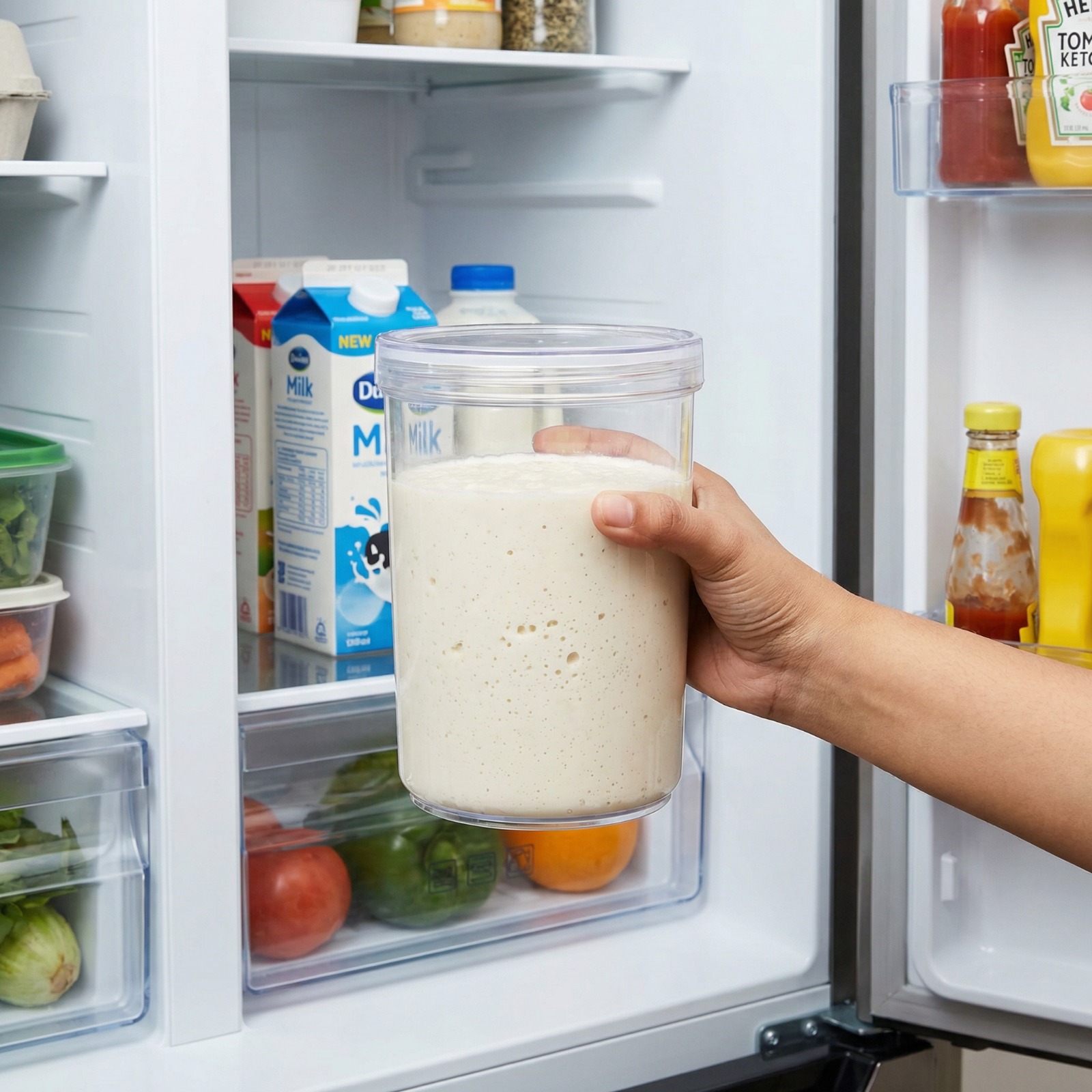
If any batter remains after the weekend meals, it can be stored in the refrigerator.
Cooling slows down fermentation and usually keeps the batter usable for several days. Always stir the batter gently before using it again so the texture remains consistent.
Some grinders, including the Elgi Ultra Perfect+ Wet Grinder, come with multi-utility drums that make transferring batter easier after grinding.
Why Many Kitchens Still Use Wet Grinders
Even with modern appliances available, wet grinders continue to have a place in traditional cooking.
The slower grinding process produces a batter that ferments naturally and maintains the texture needed for dishes like idli and dosa. Mixer grinders may be faster, but they often heat the batter during grinding, which can affect fermentation.
For households that regularly cook South Indian breakfasts, a wet grinder becomes a reliable kitchen tool.
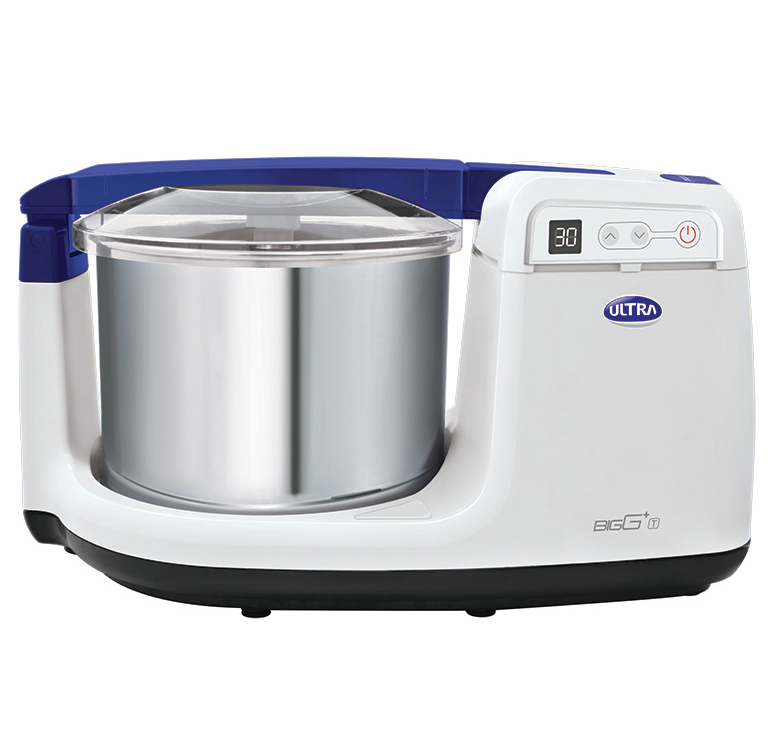
Elgi Ultra Grinder
Ultra is the pioneer in compact table top wet grinders and innovator of the patented conical stones. The patented conical stone design makes the batter smooth.

PATENTED CONICAL STONES
For effective grinding without high batter temperature rise

AISI 304 STAINLESS STEEL
Rust-resistant food-grade stainless steel drum for healthy food

ABS BODY
Lighter weight, longer life and great looks

150-WATT MOTOR
Powerful 150W motor for better grinding

2.5L WET GRINDER
Ideal for a family of 4

DIGITAL TIMER
Beep alert & auto switch-off at preset grinding time

MULTI UTILITY DRUM
Batter can be stored in the same drum after grinding

BATTER CLEANER
For easy cleaning of conical stones