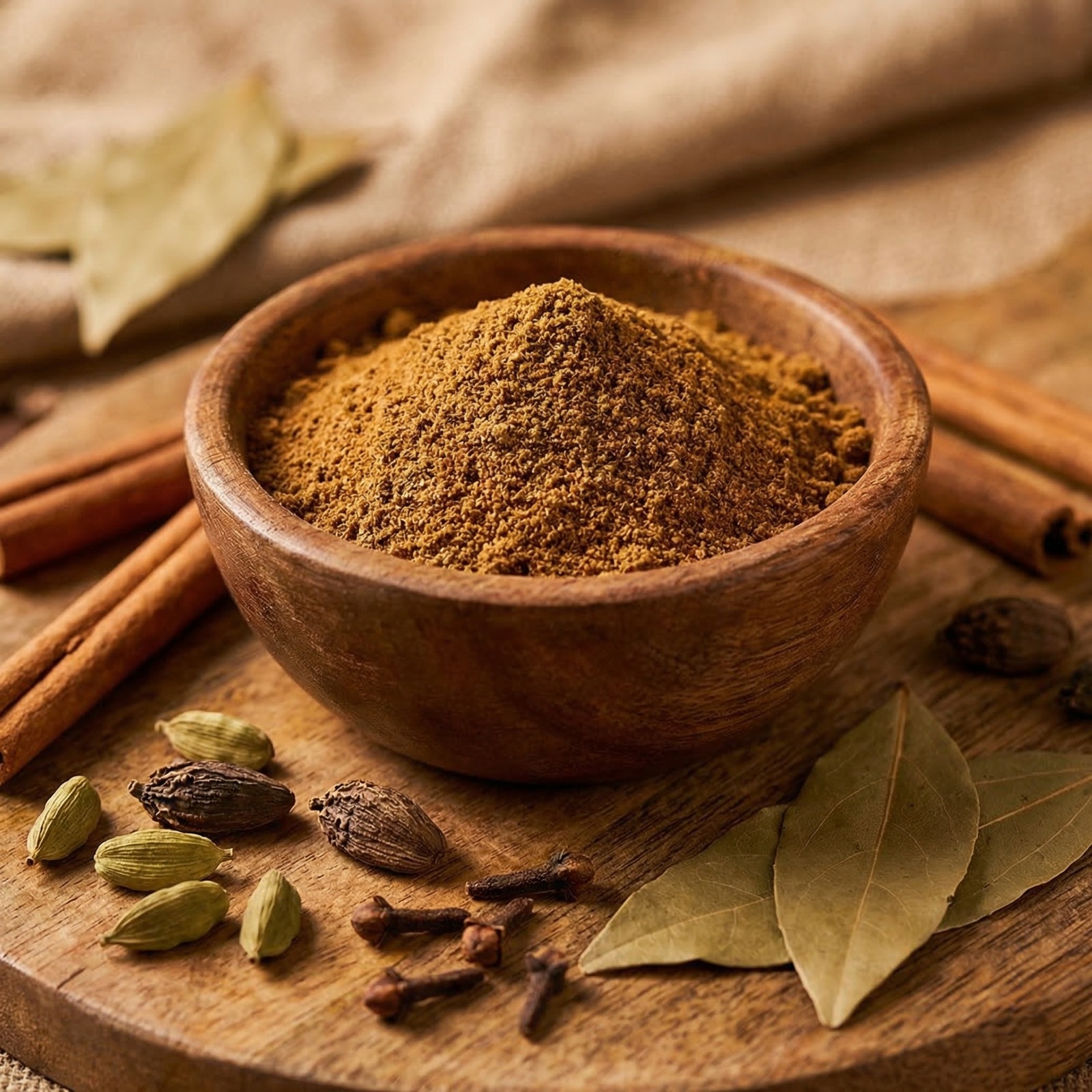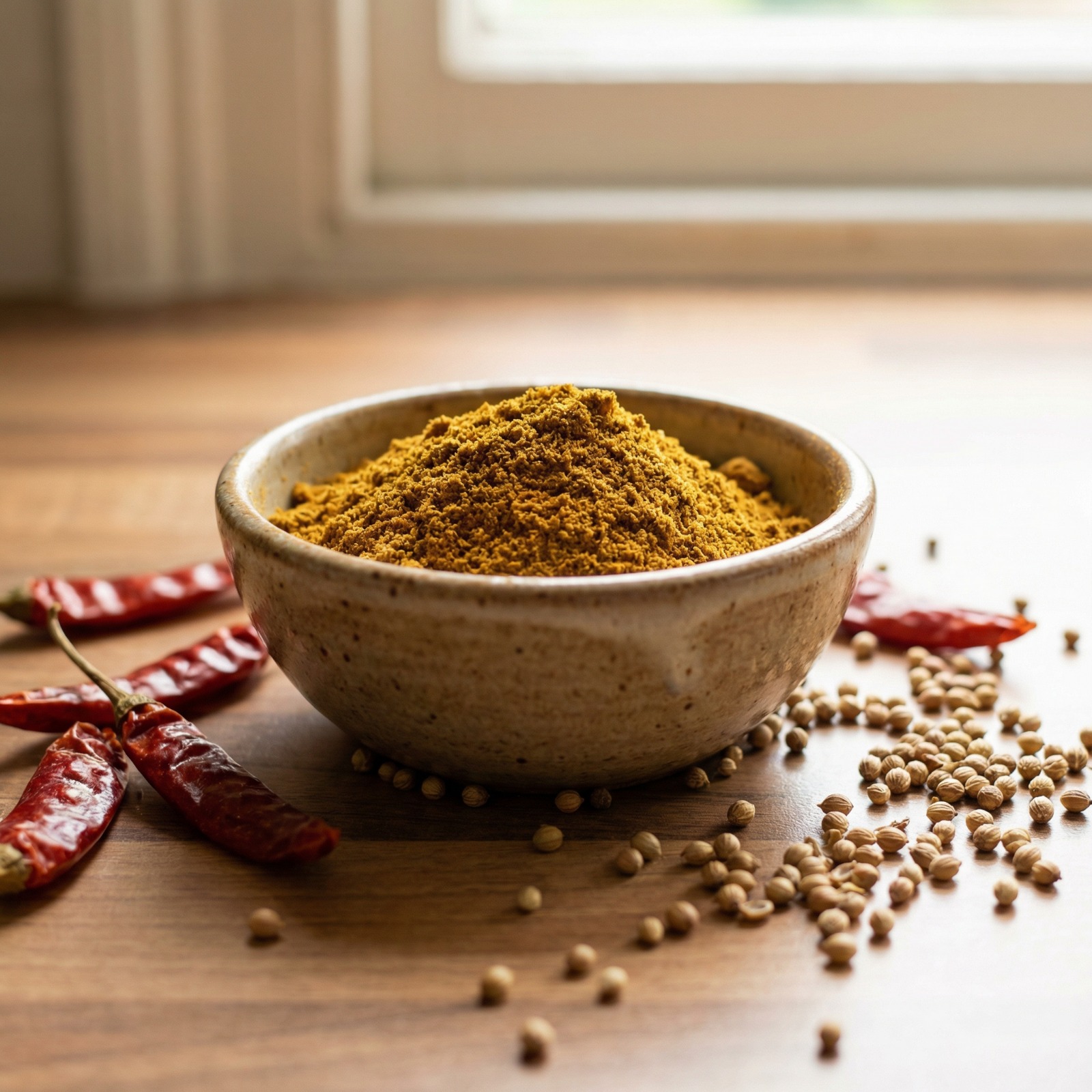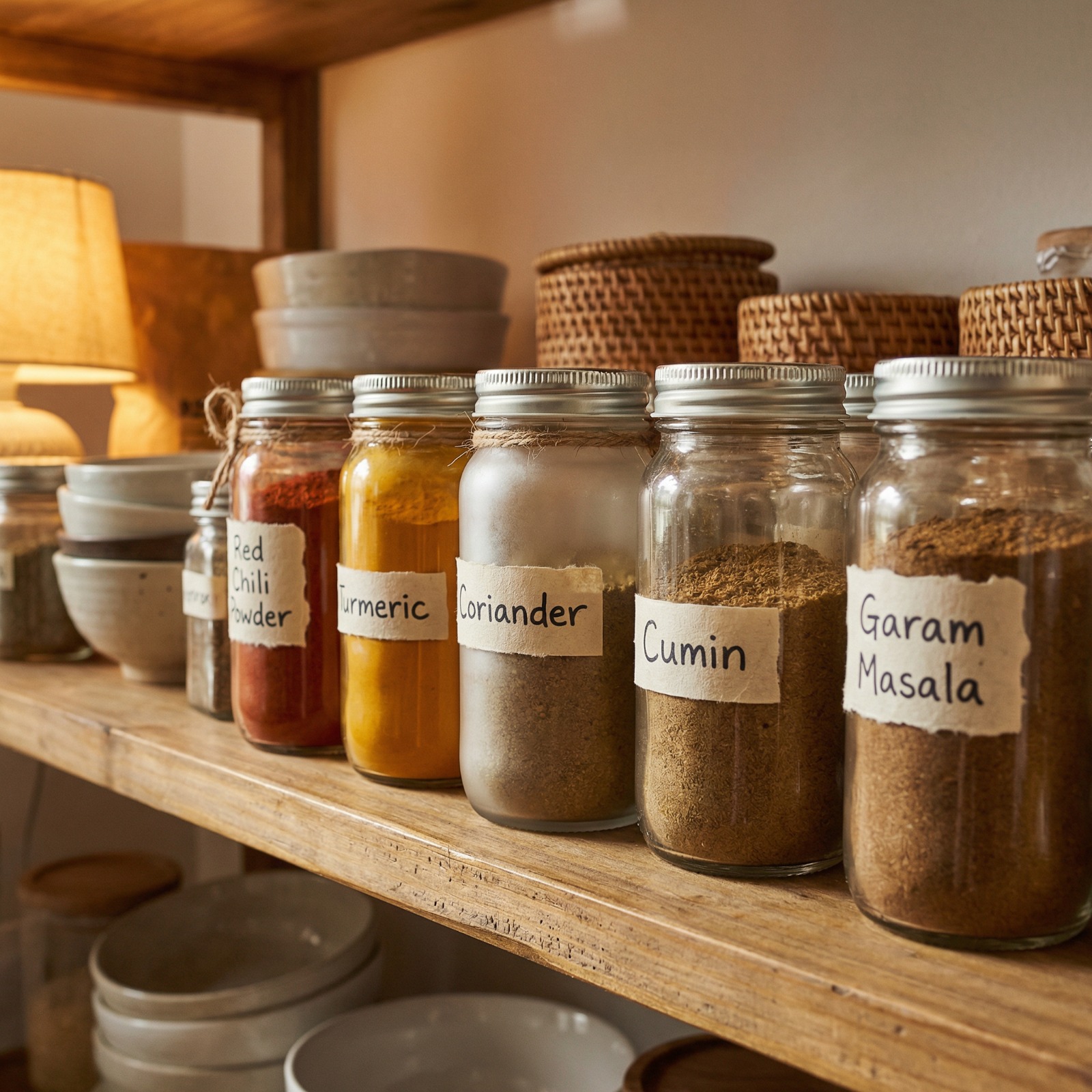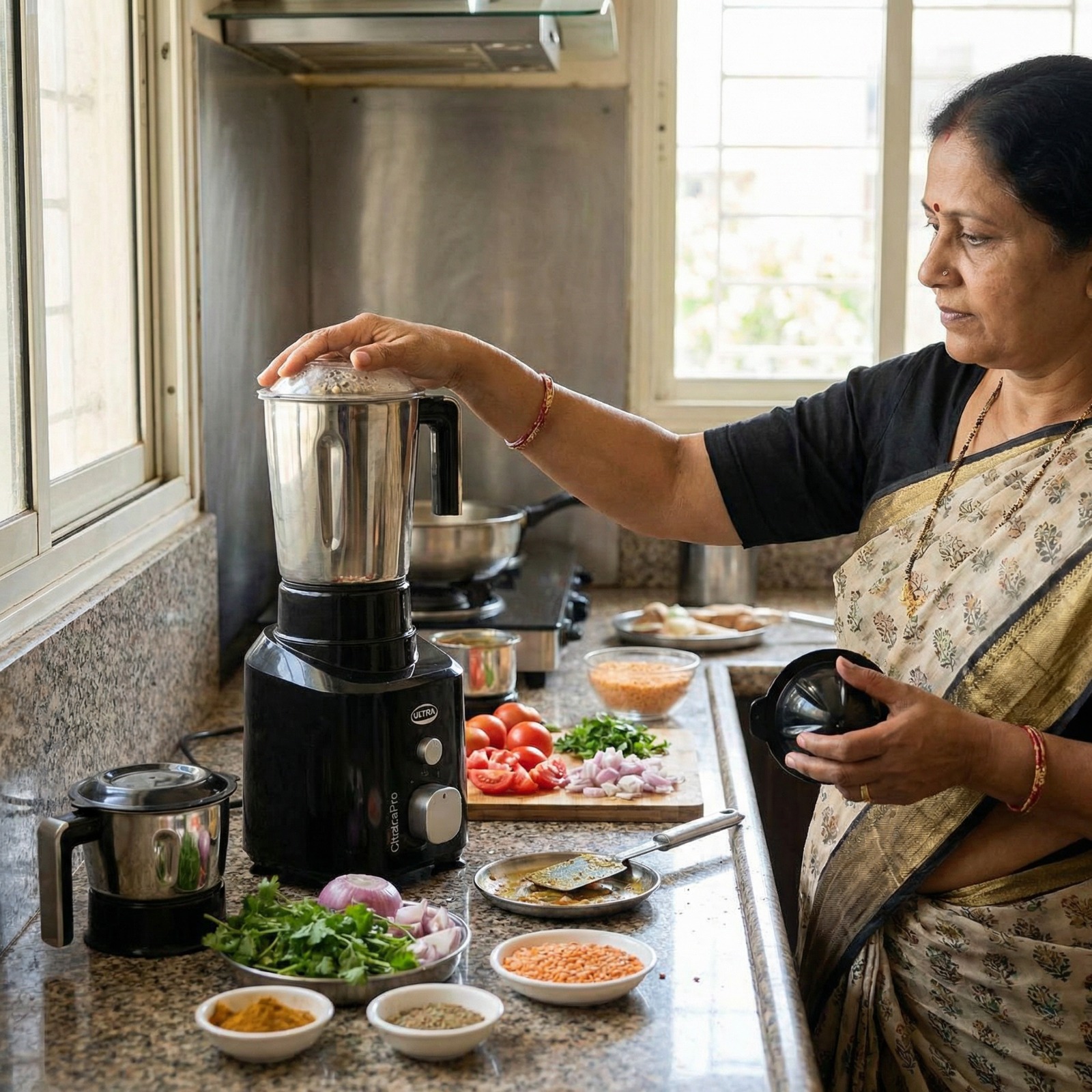

5 South Indian Podi Recipes You Can Grind Fresh at Home

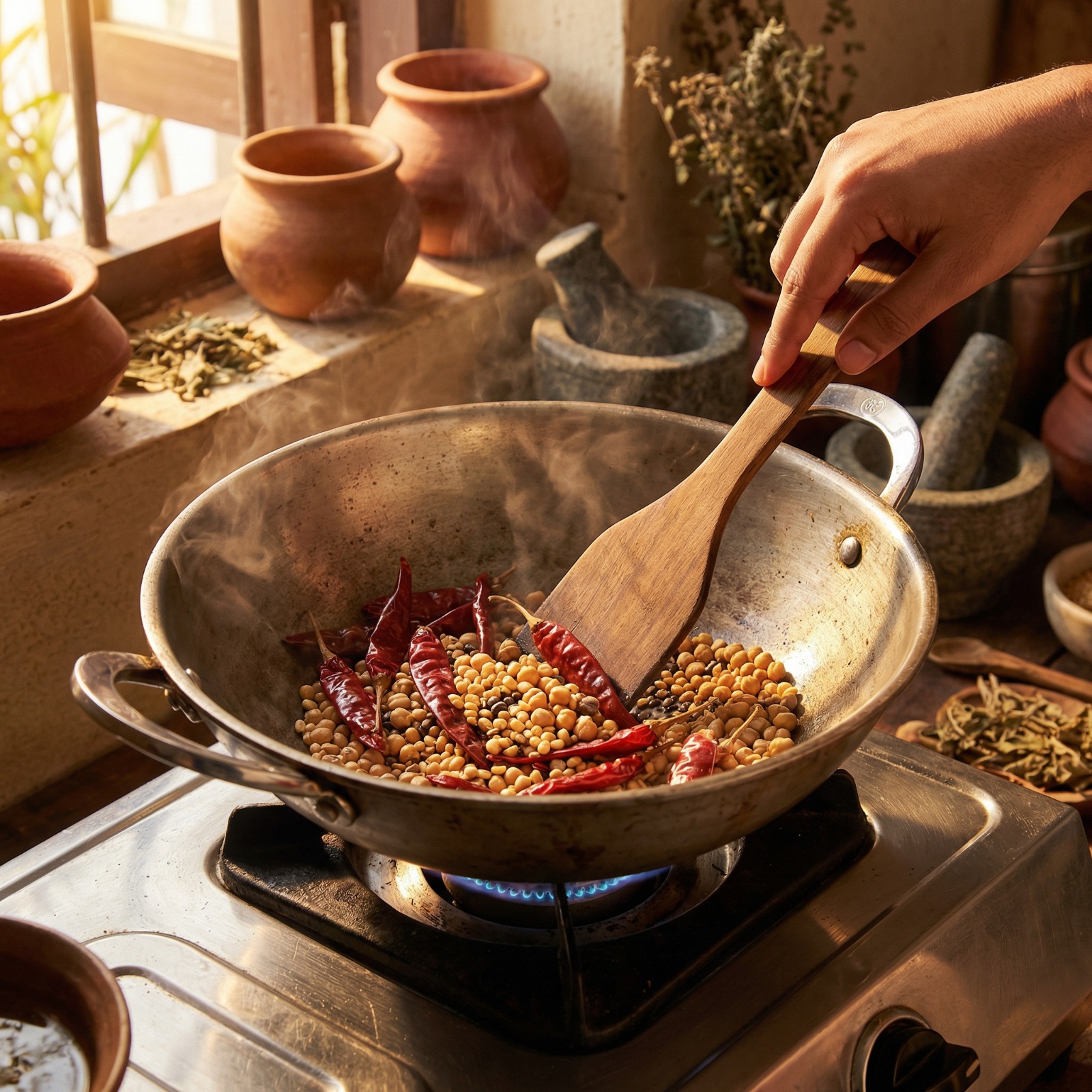
In many South Indian kitchens, there’s always at least one podi sitting somewhere on the shelf. Sometimes more than one. It’s one of those things that quietly saves a meal when there’s nothing else ready.

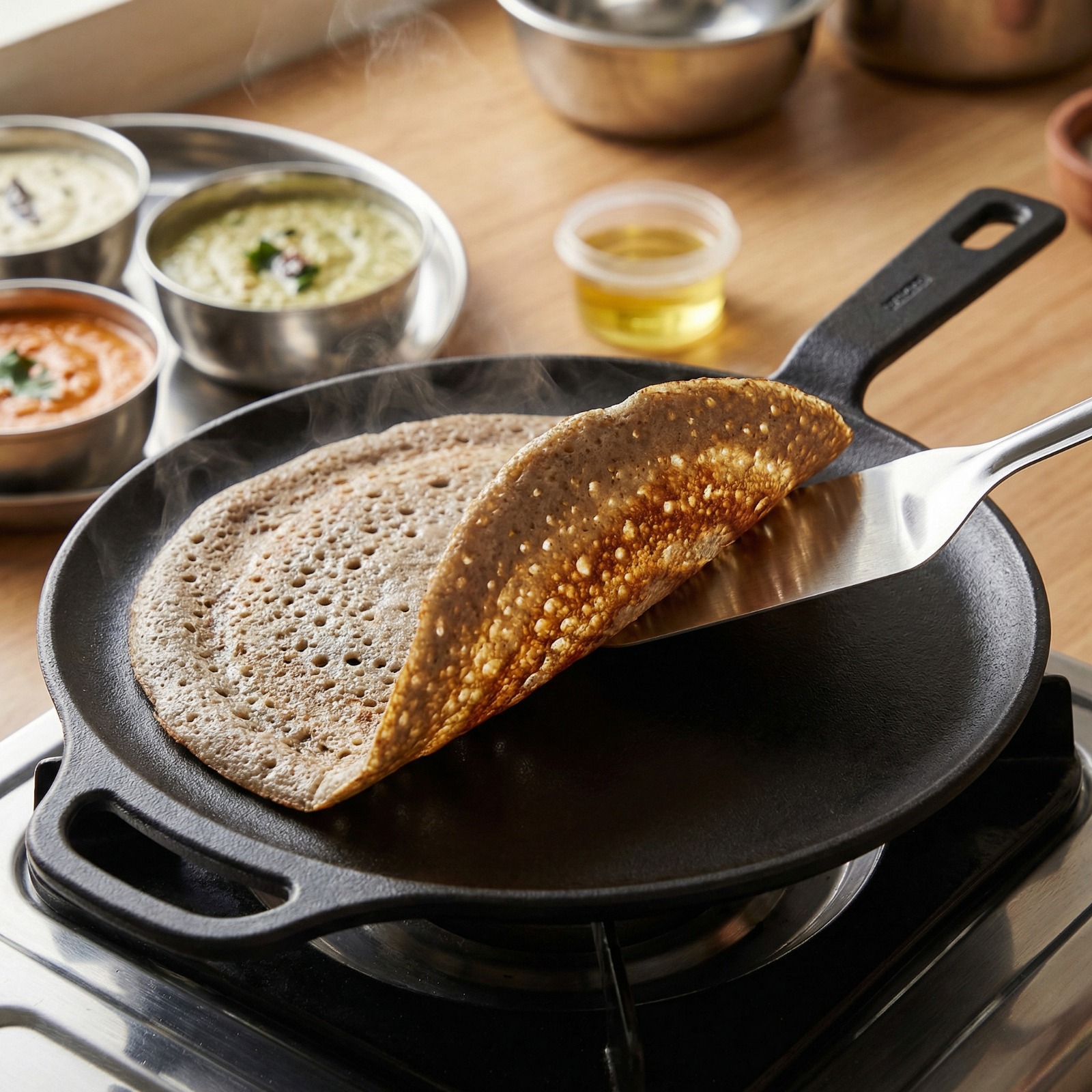
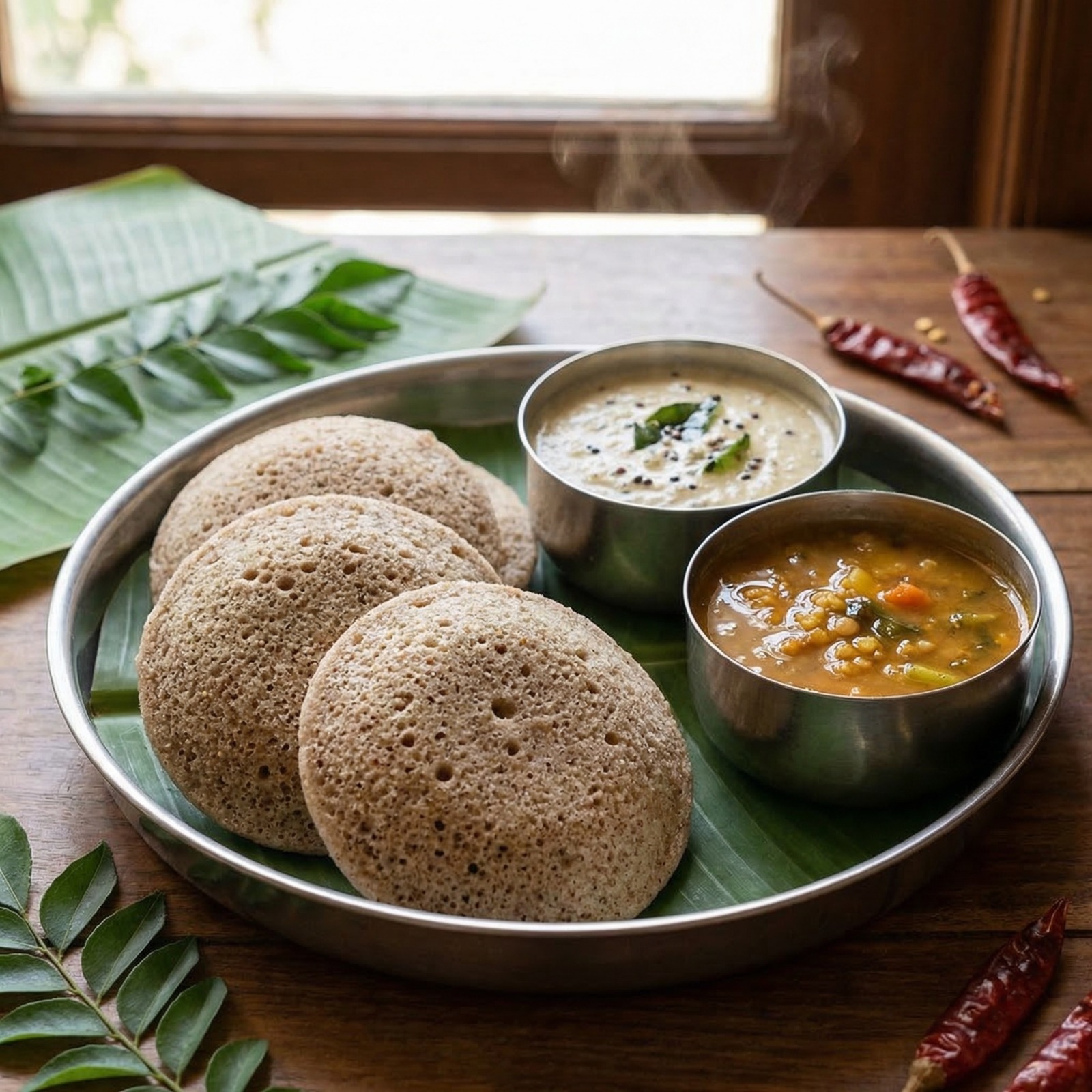
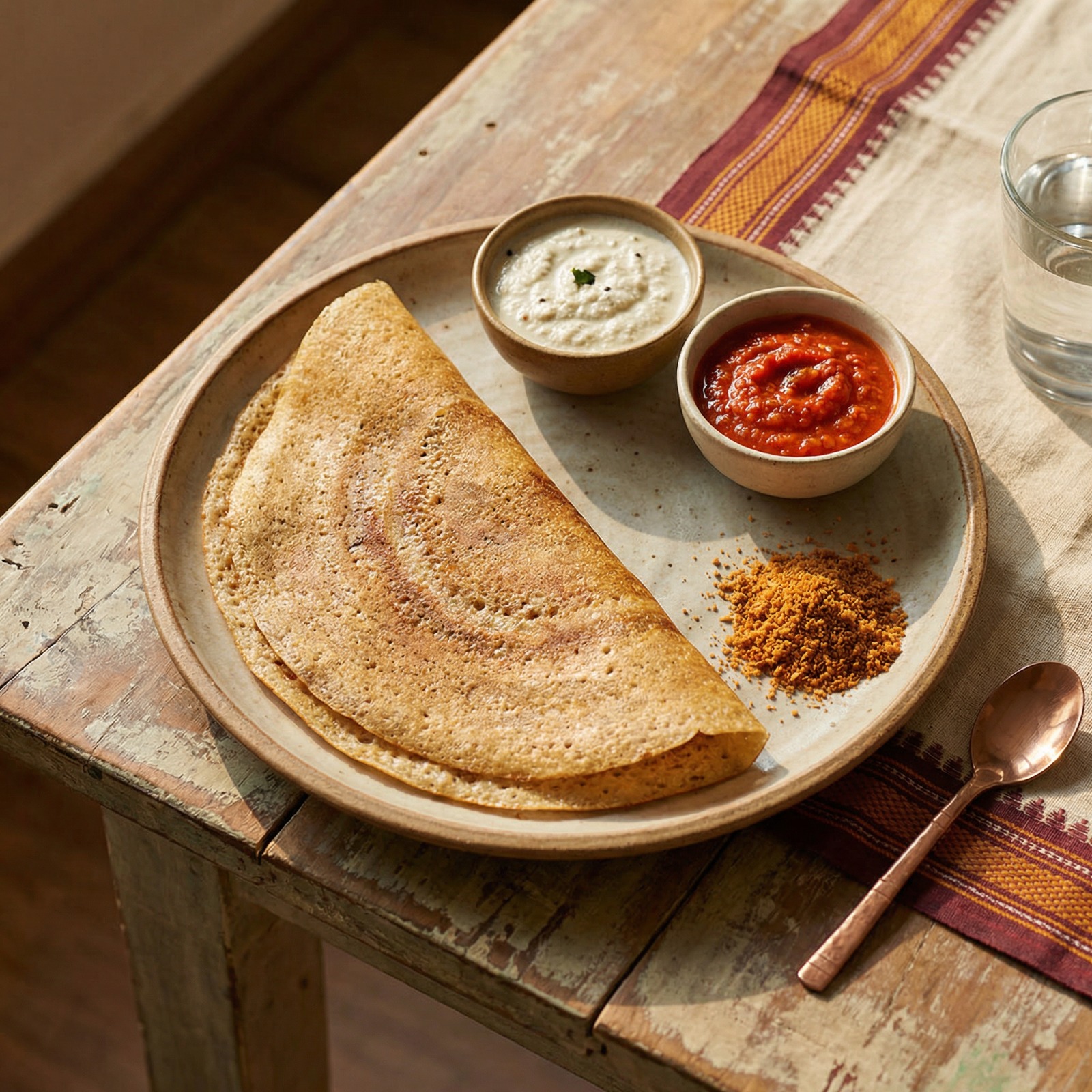
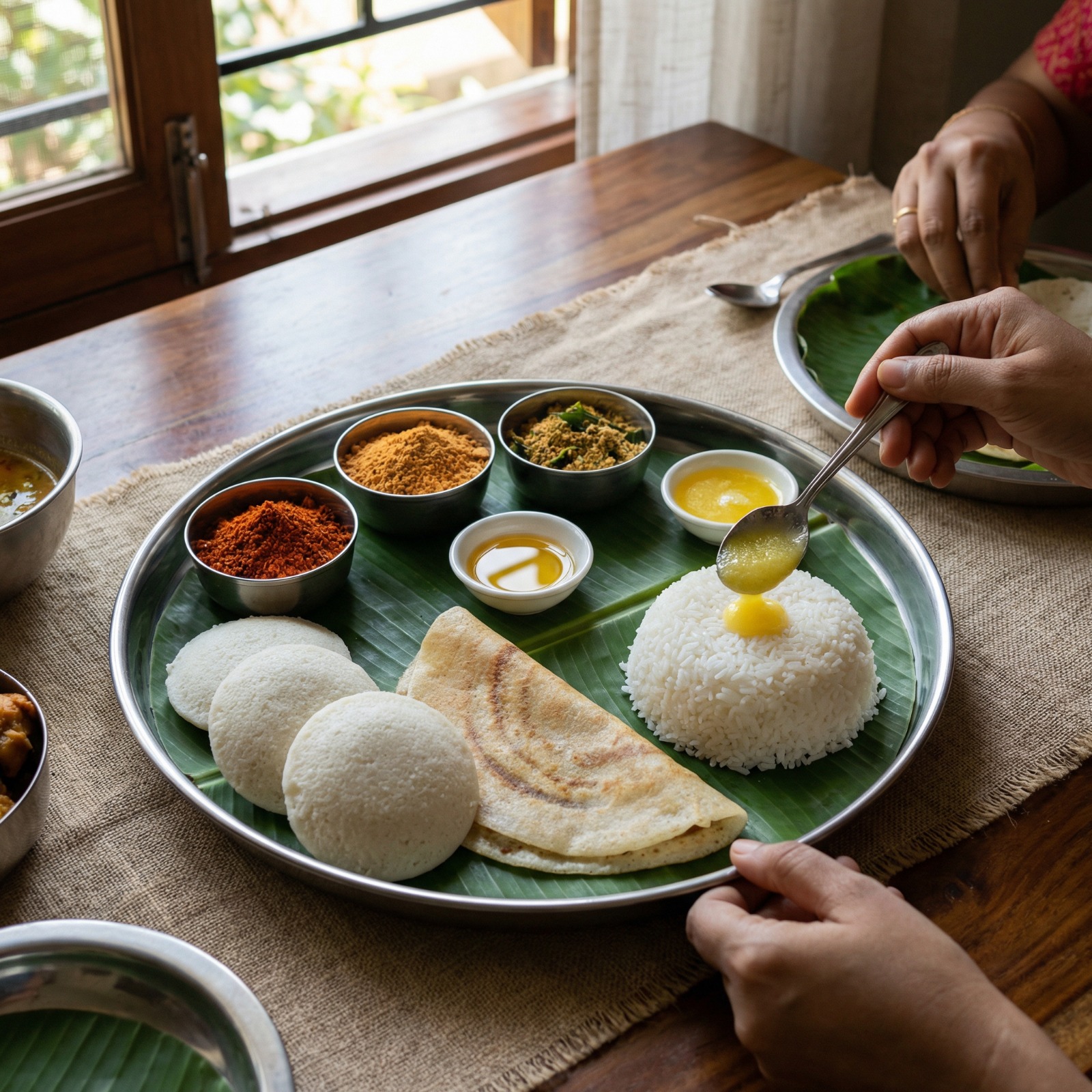
A spoon of podi, a little gingelly oil or ghee, and hot rice, that’s enough. The same podi works with idli, dosa, even curd rice.

While store-bought versions are easy to find, freshly ground podi at home has a different kind of flavour. The aroma is stronger, and you can adjust spice levels exactly how you like it.

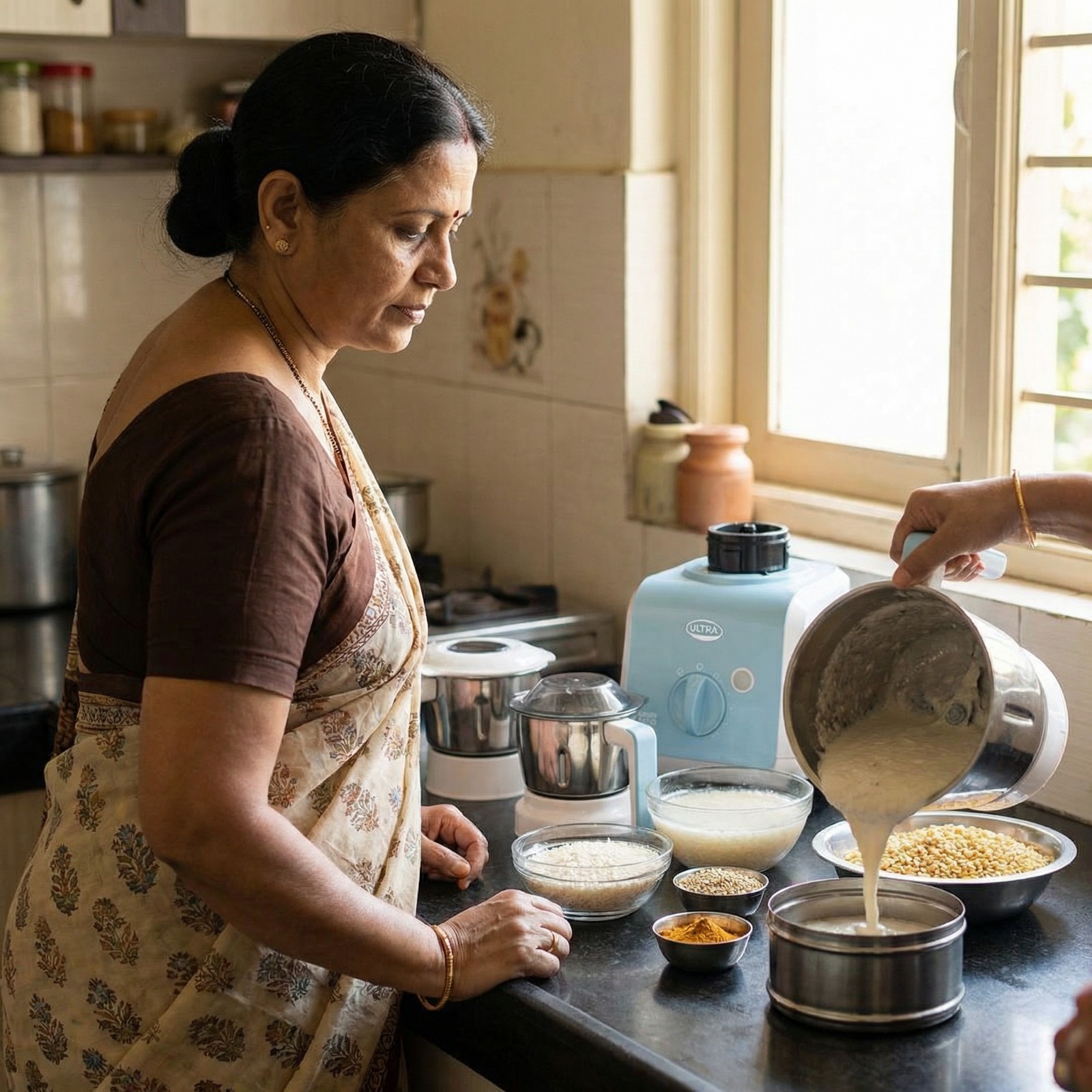
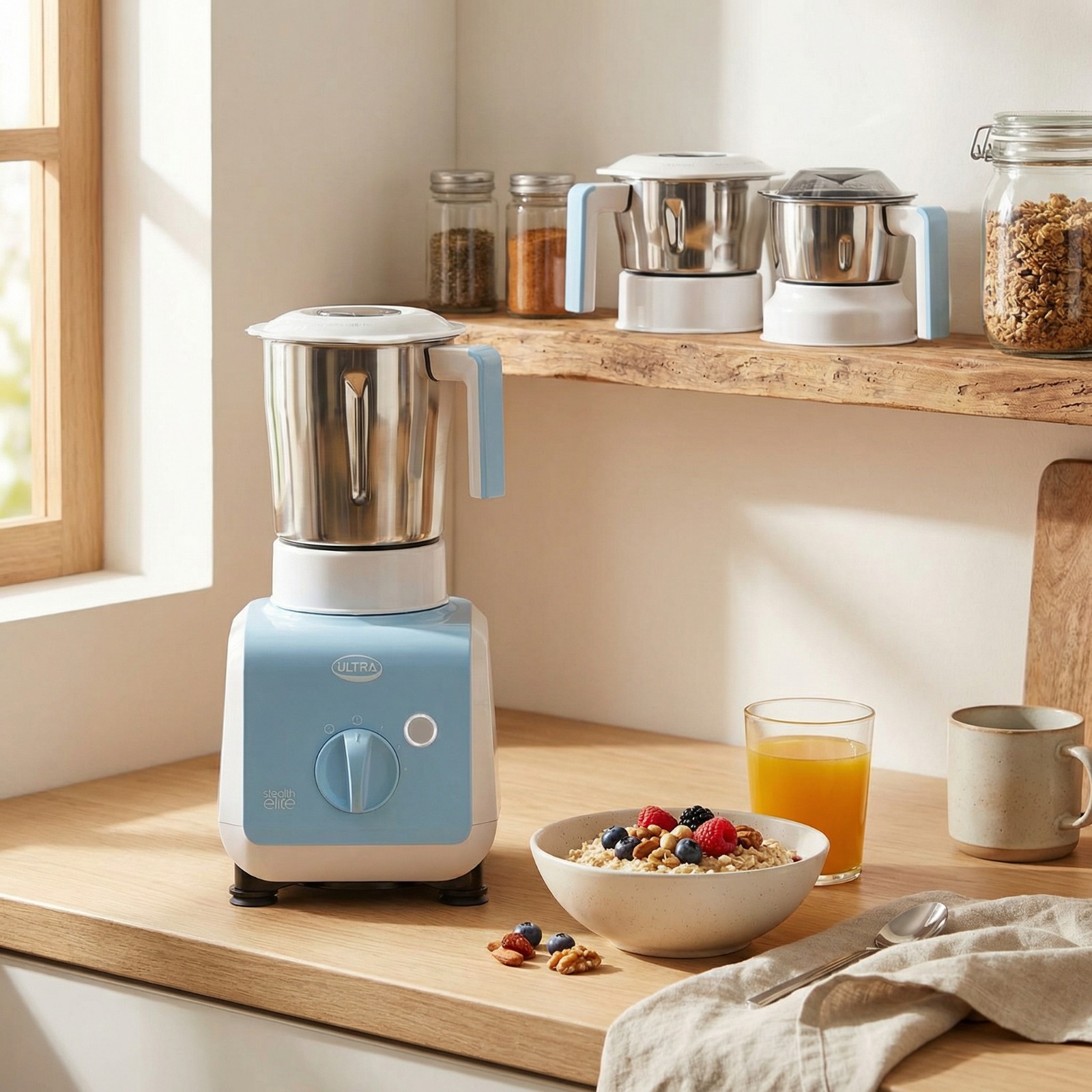
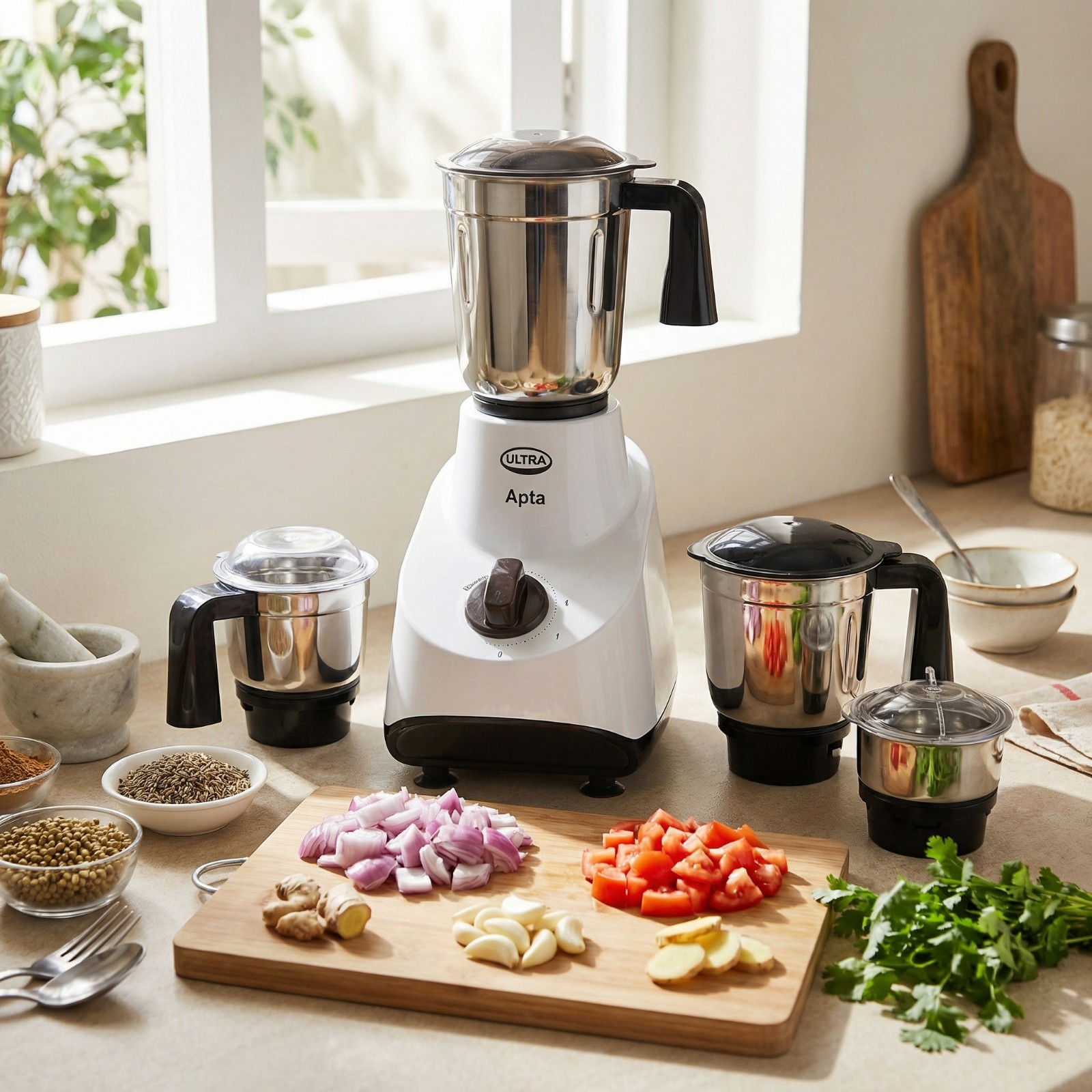
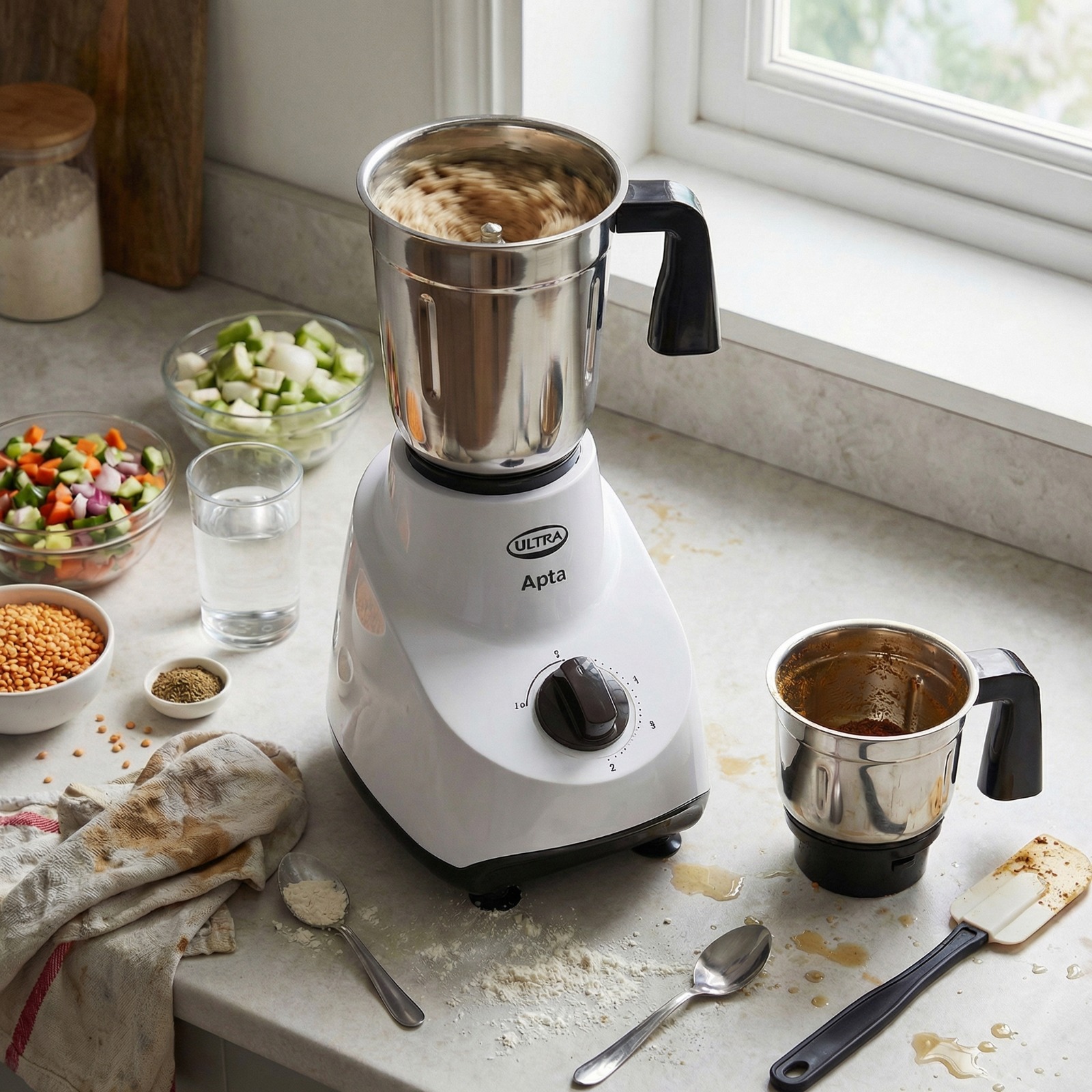
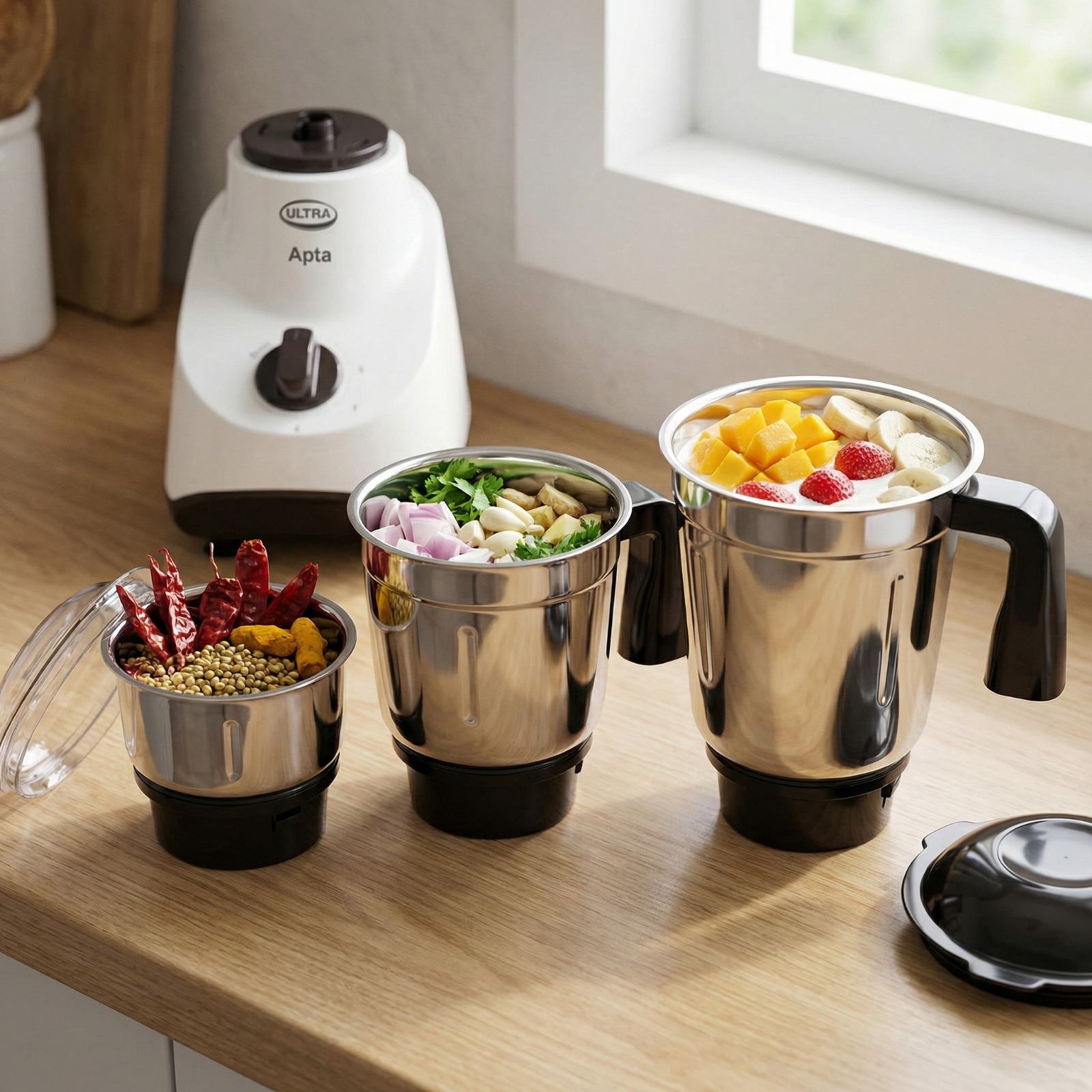
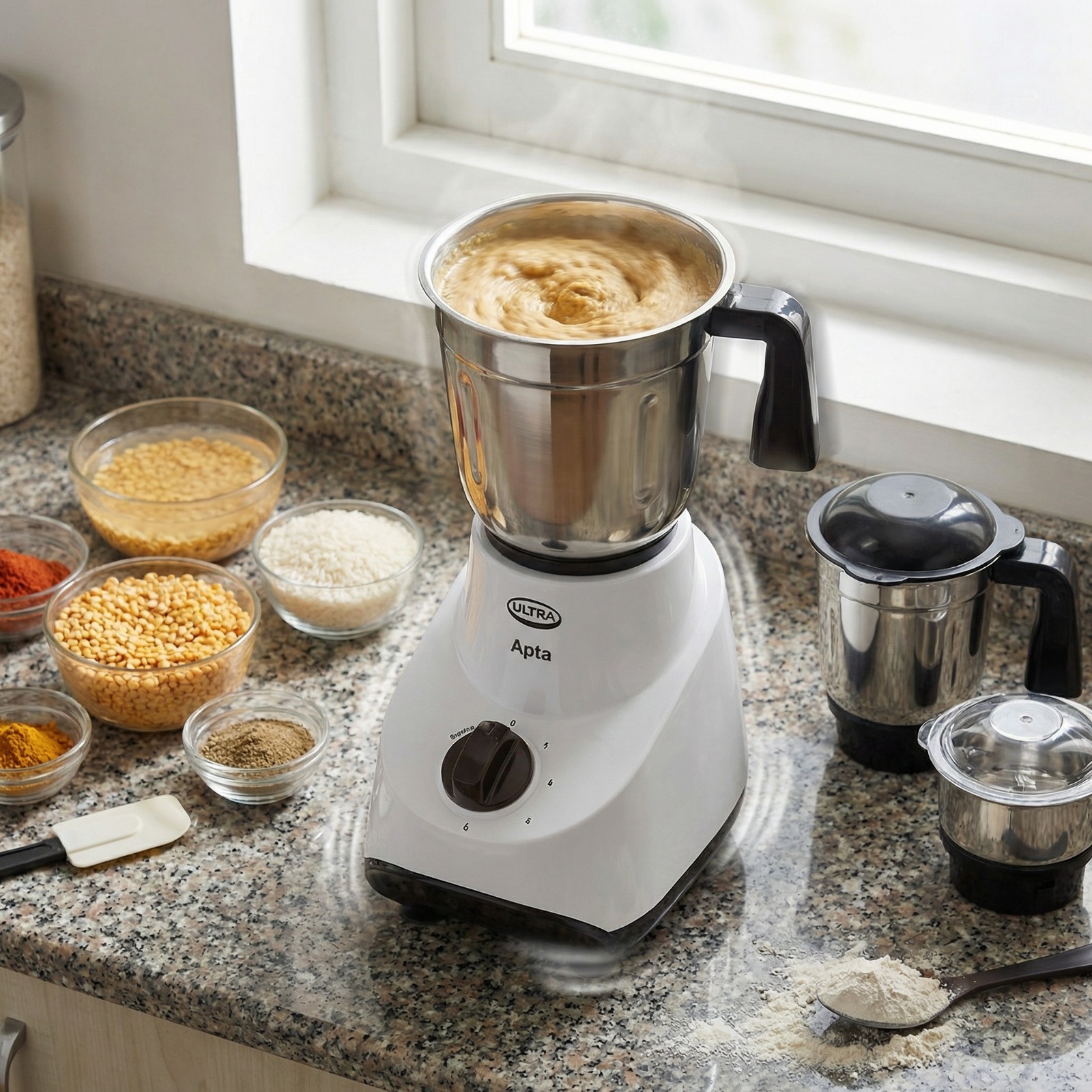
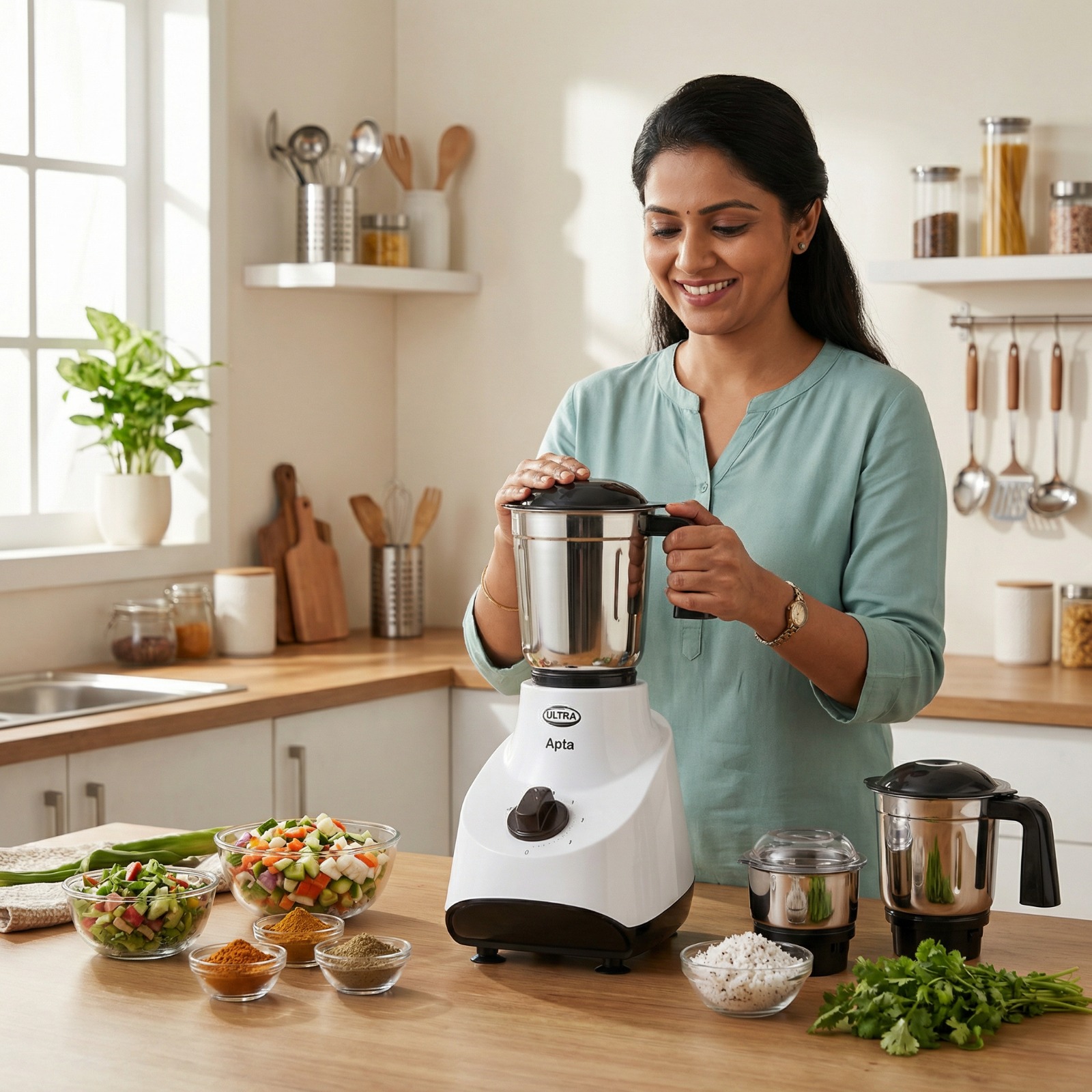
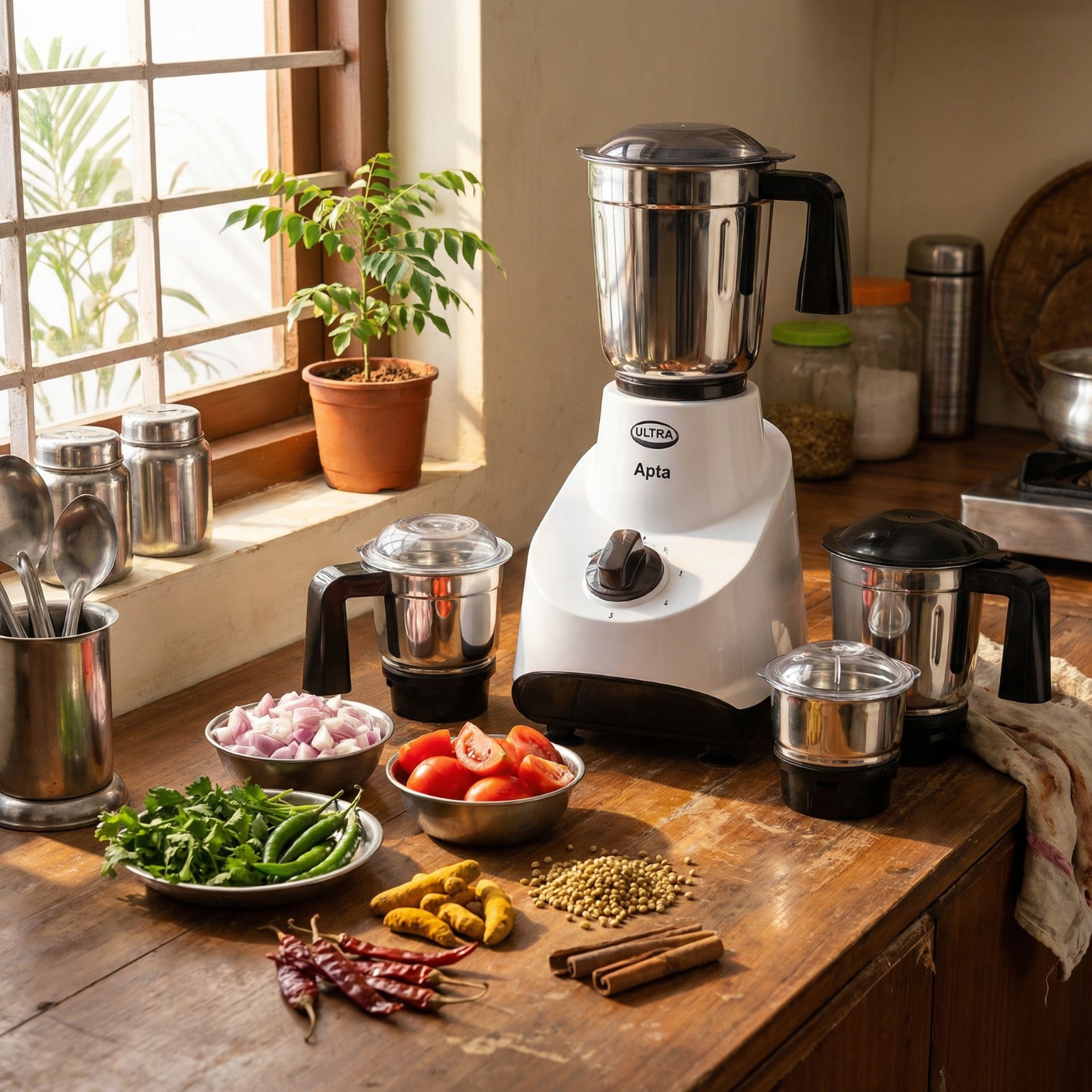
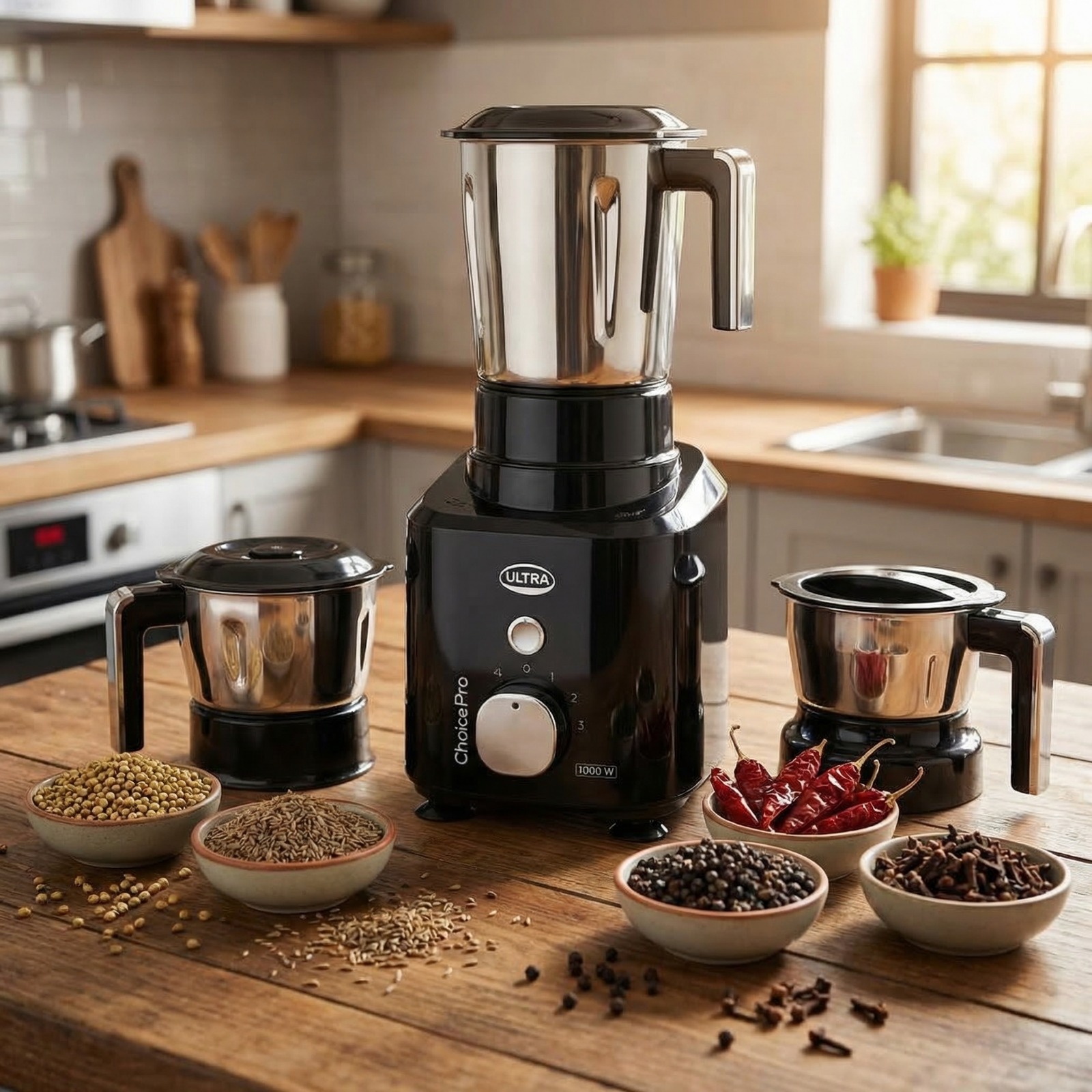
The process is also simpler than it sounds. Once you roast the ingredients, a mixer grinder does the rest. Something like the Ultra Stealth Mixer Grinder or the Ultra Vario+ Mixer Grinder works well for dry grinding, especially when you want control over texture.

You can explore the range here:
https://www.elgiultra.com/mixer-grinder

Let’s go through a few podi recipes that are commonly made at home.
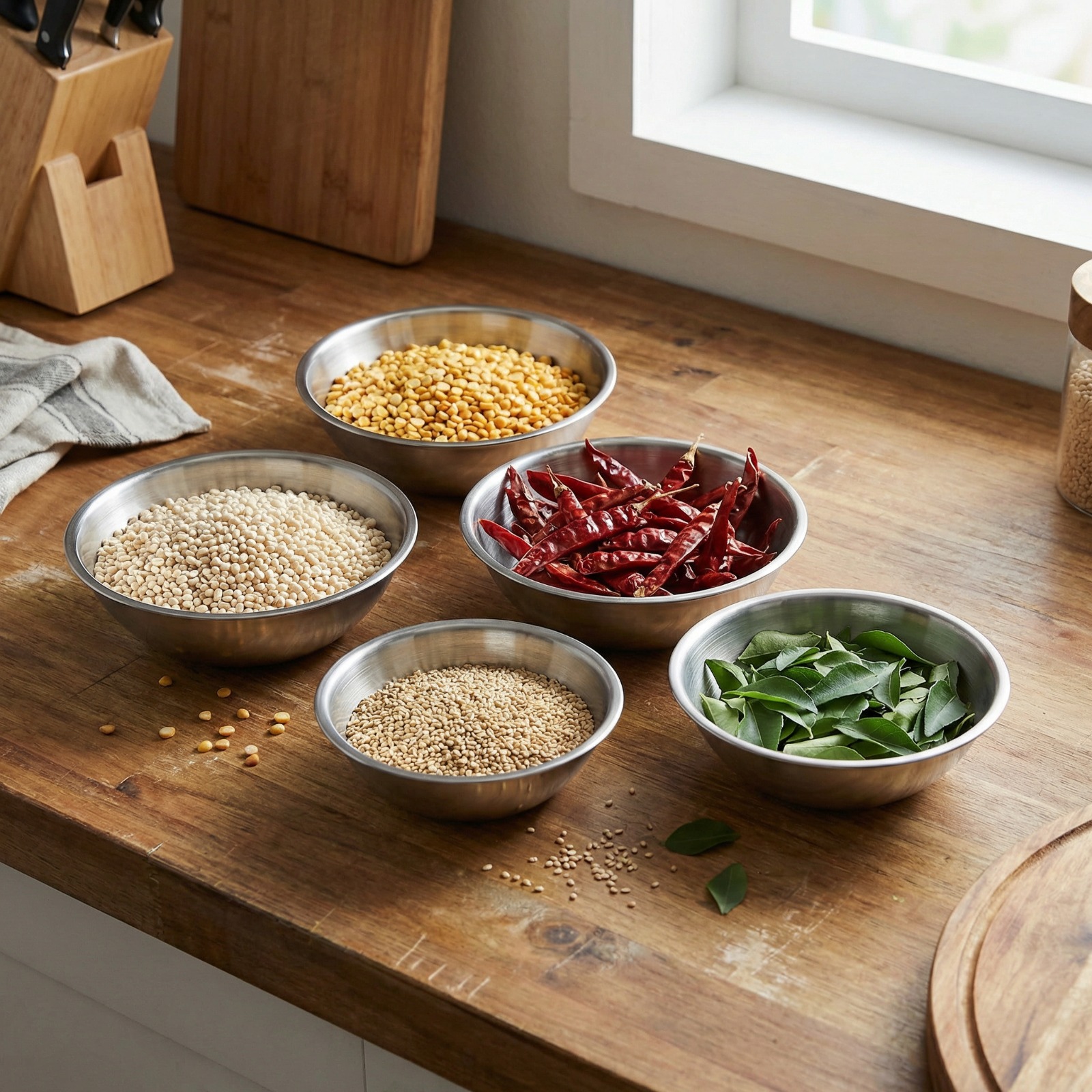
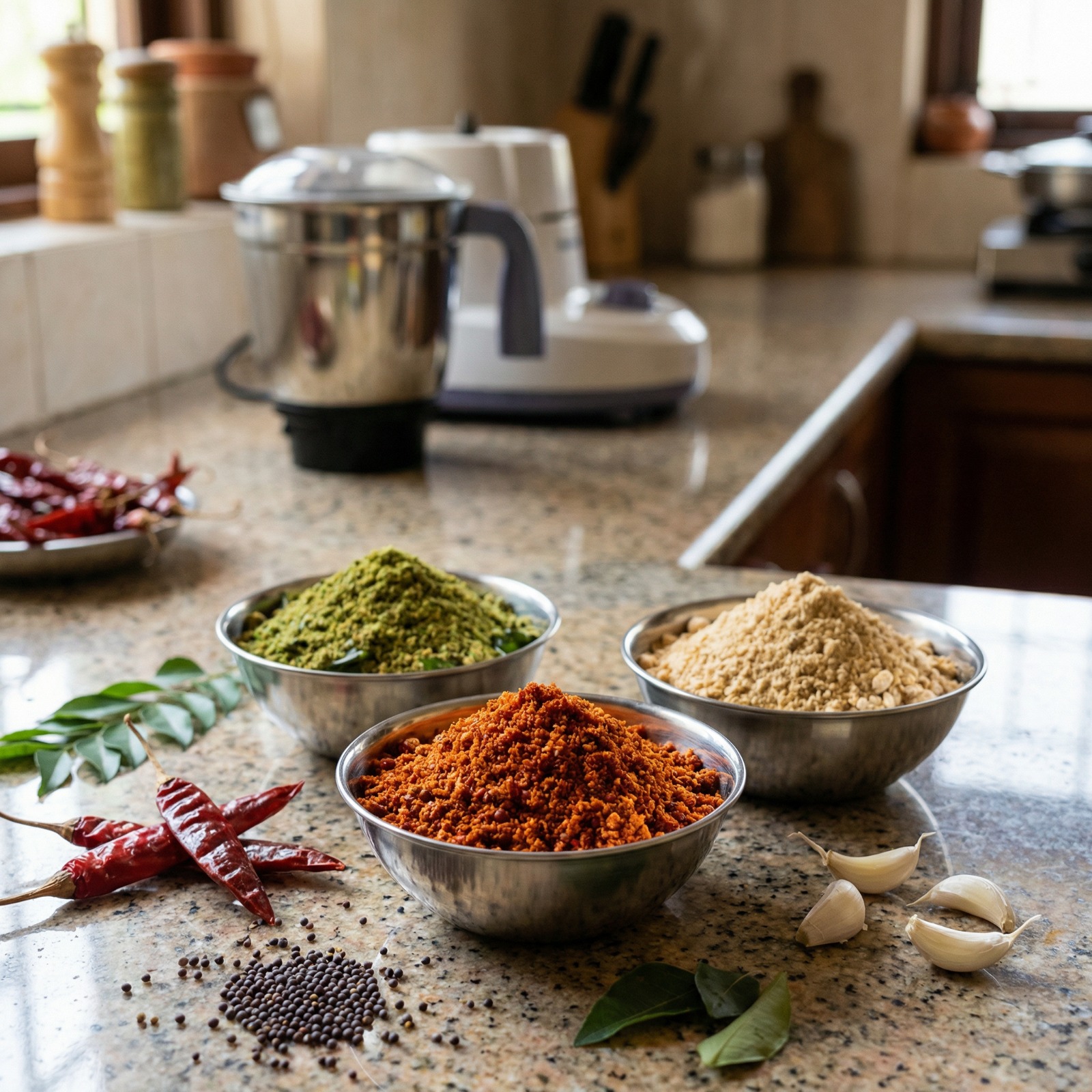
Idli Podi (Milagai Podi)
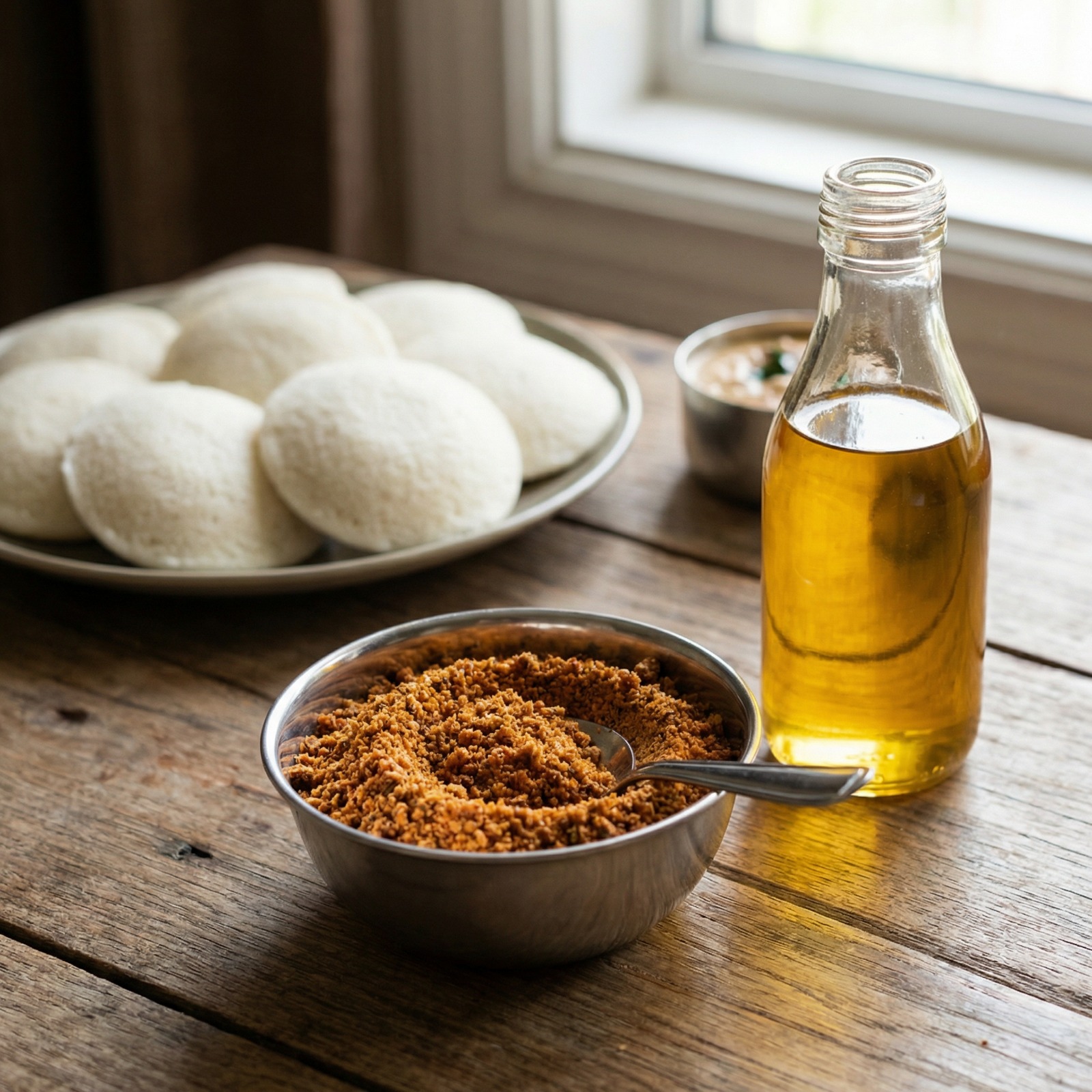
This is probably the most familiar one. Almost every home has its own version.

Prep time: 10 minutes
Roasting time: 10 minutes
Grinding time: 3 minutes
Makes: 1 cup
Serves: 15–20 uses

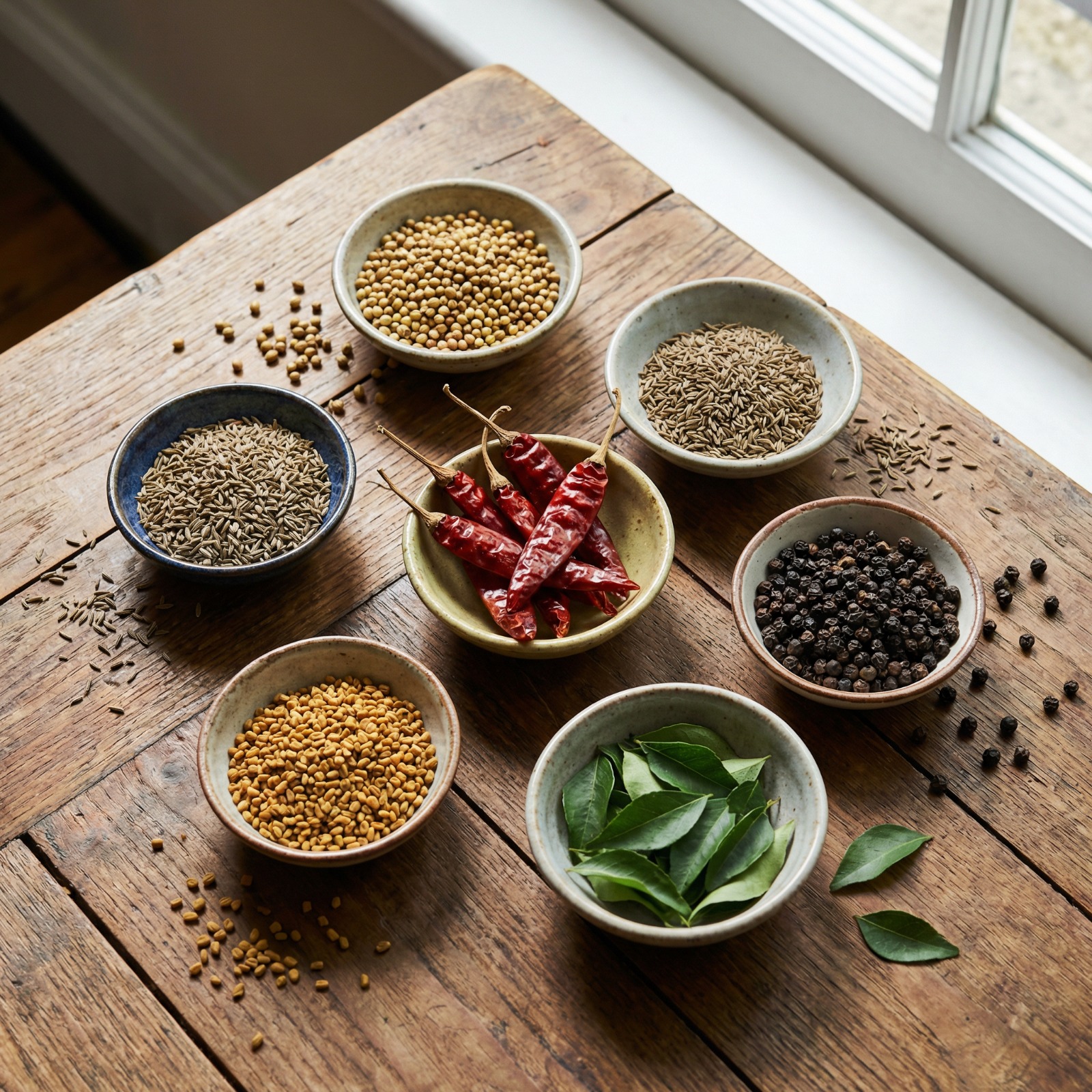
Ingredients

  • ½ cup urad dal
  • ¼ cup chana dal
  • 6–8 dried red chillies
  • 1 tablespoon sesame seeds
  • ½ teaspoon hing
  • Salt to taste

Method

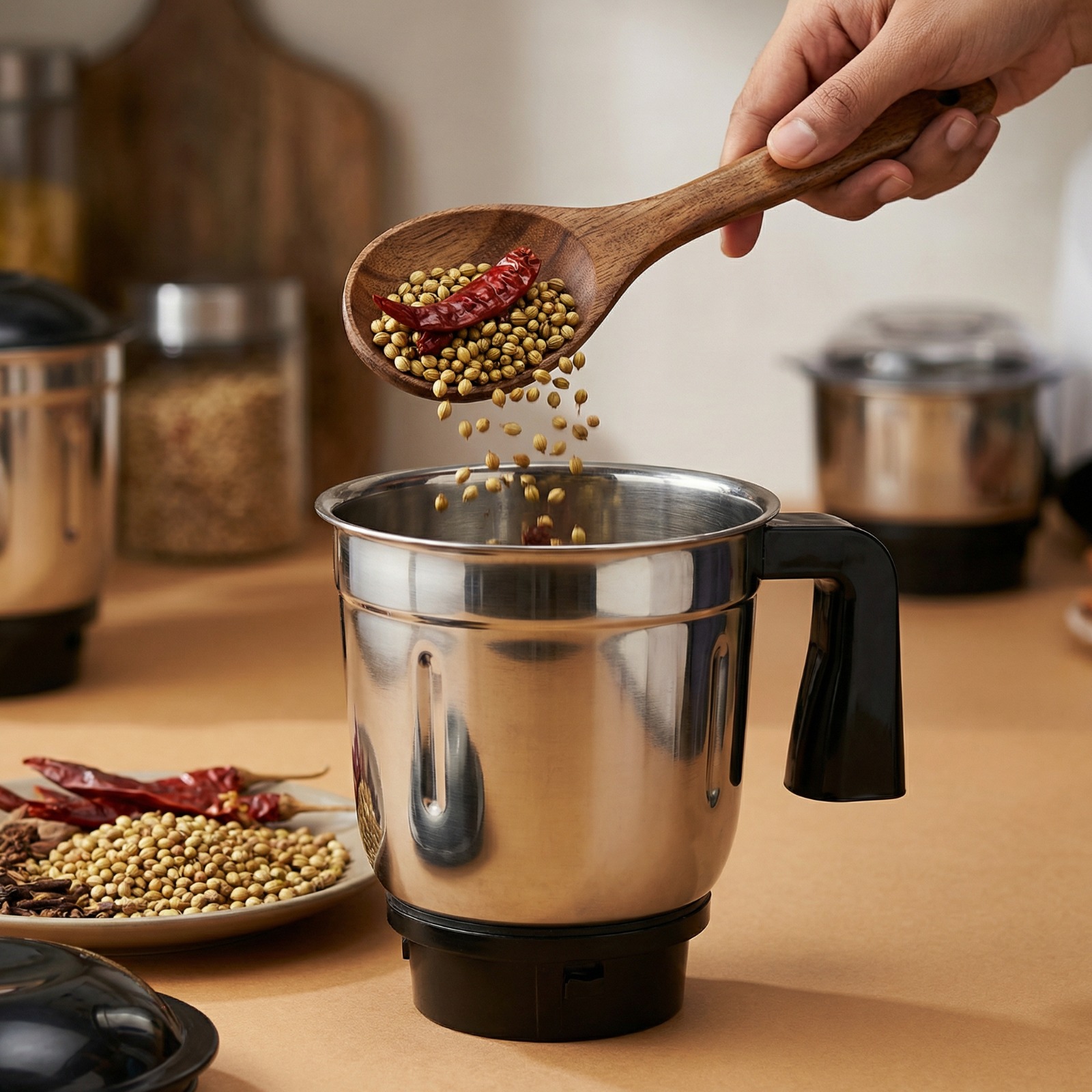
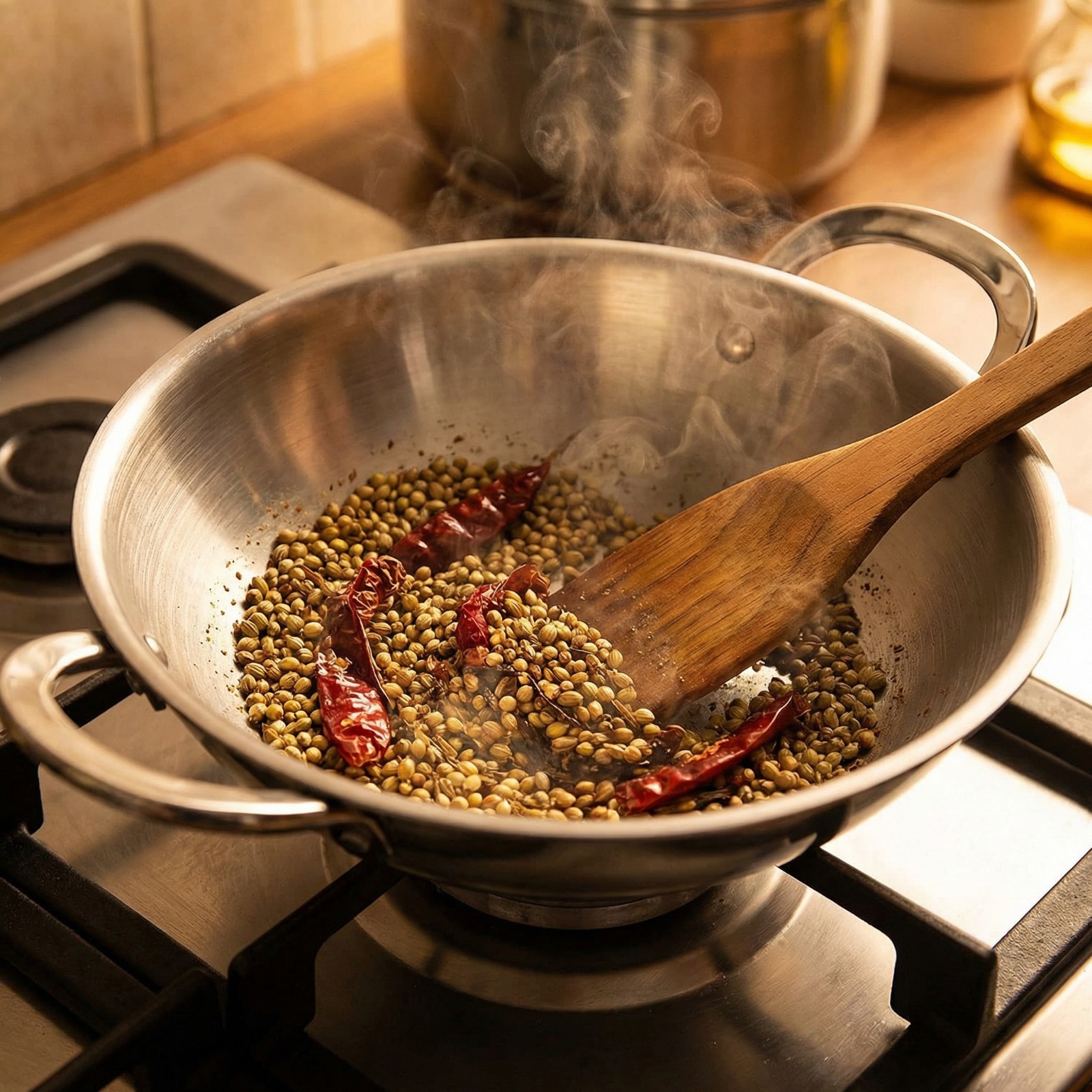
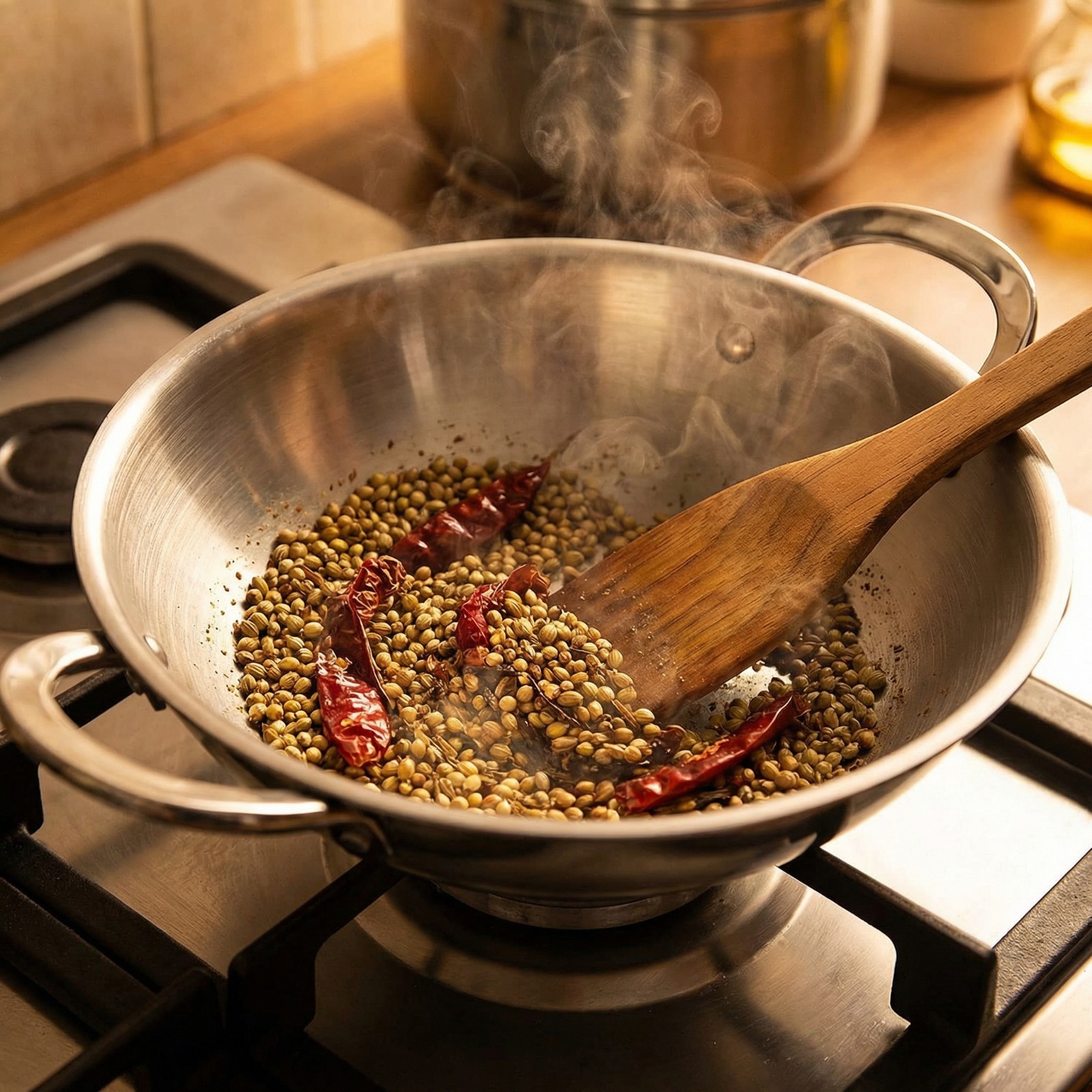
Dry roast urad dal and chana dal until golden.

Add red chillies and roast for another minute.

Sesame seeds go in last, they splutter quickly.

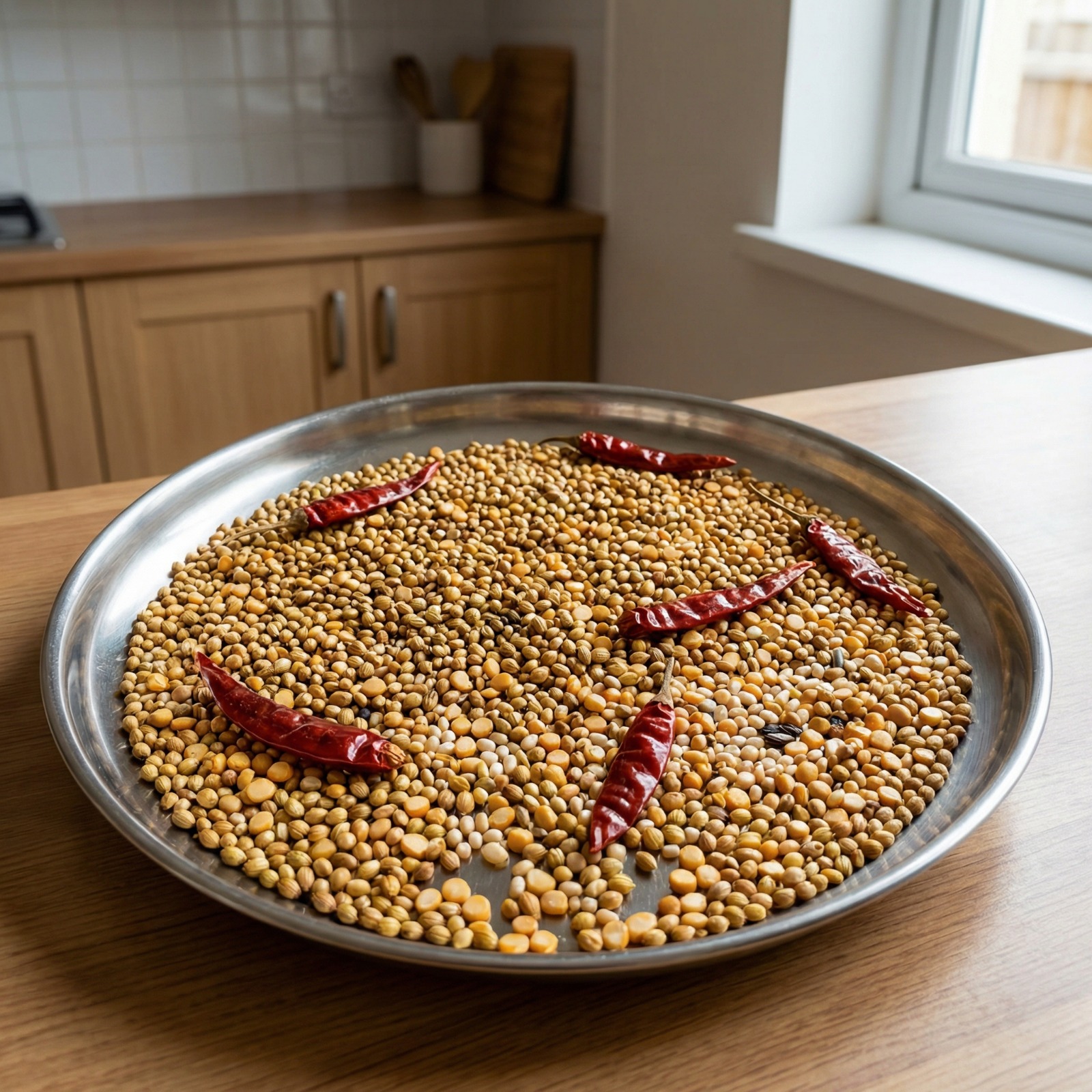
Cool everything completely.

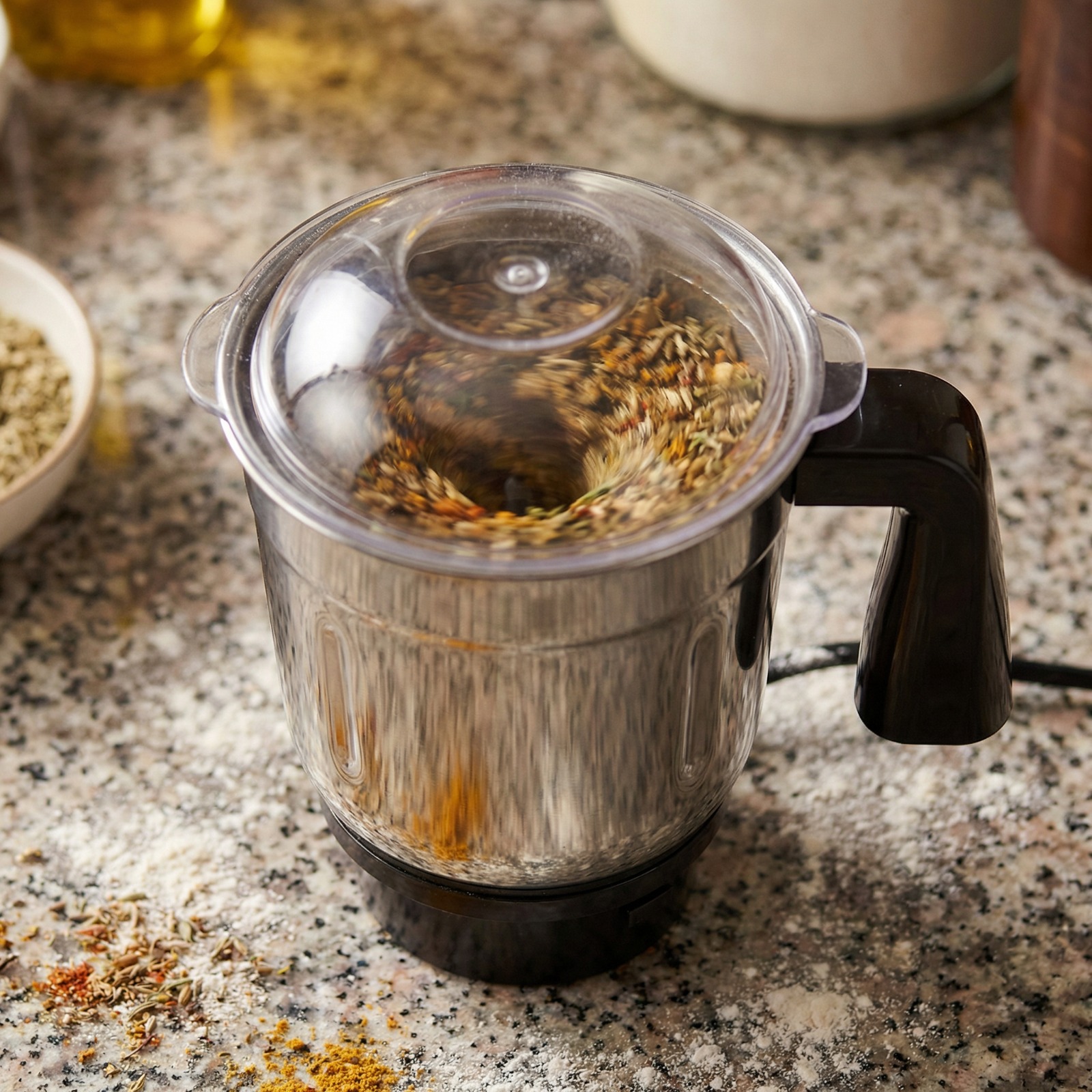
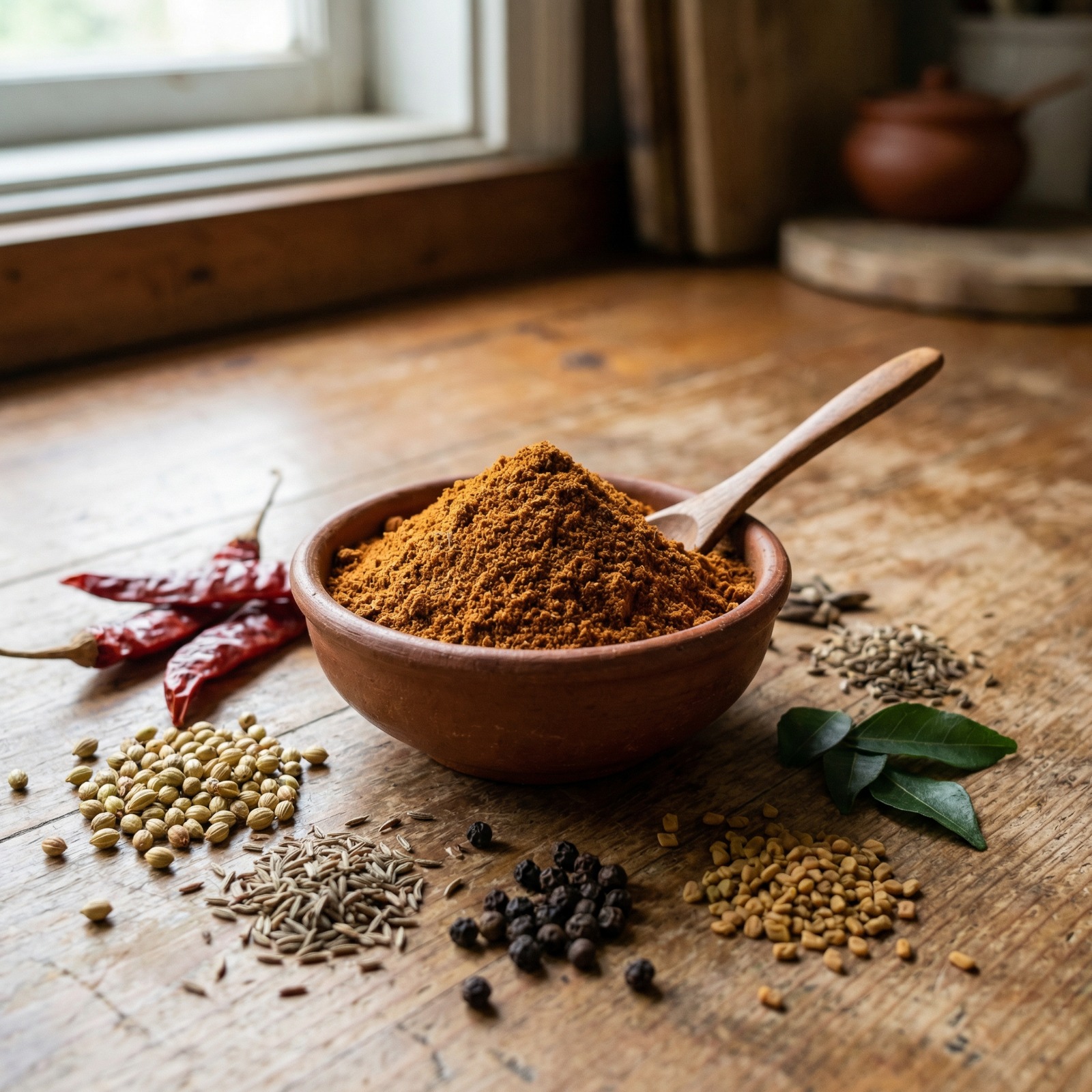
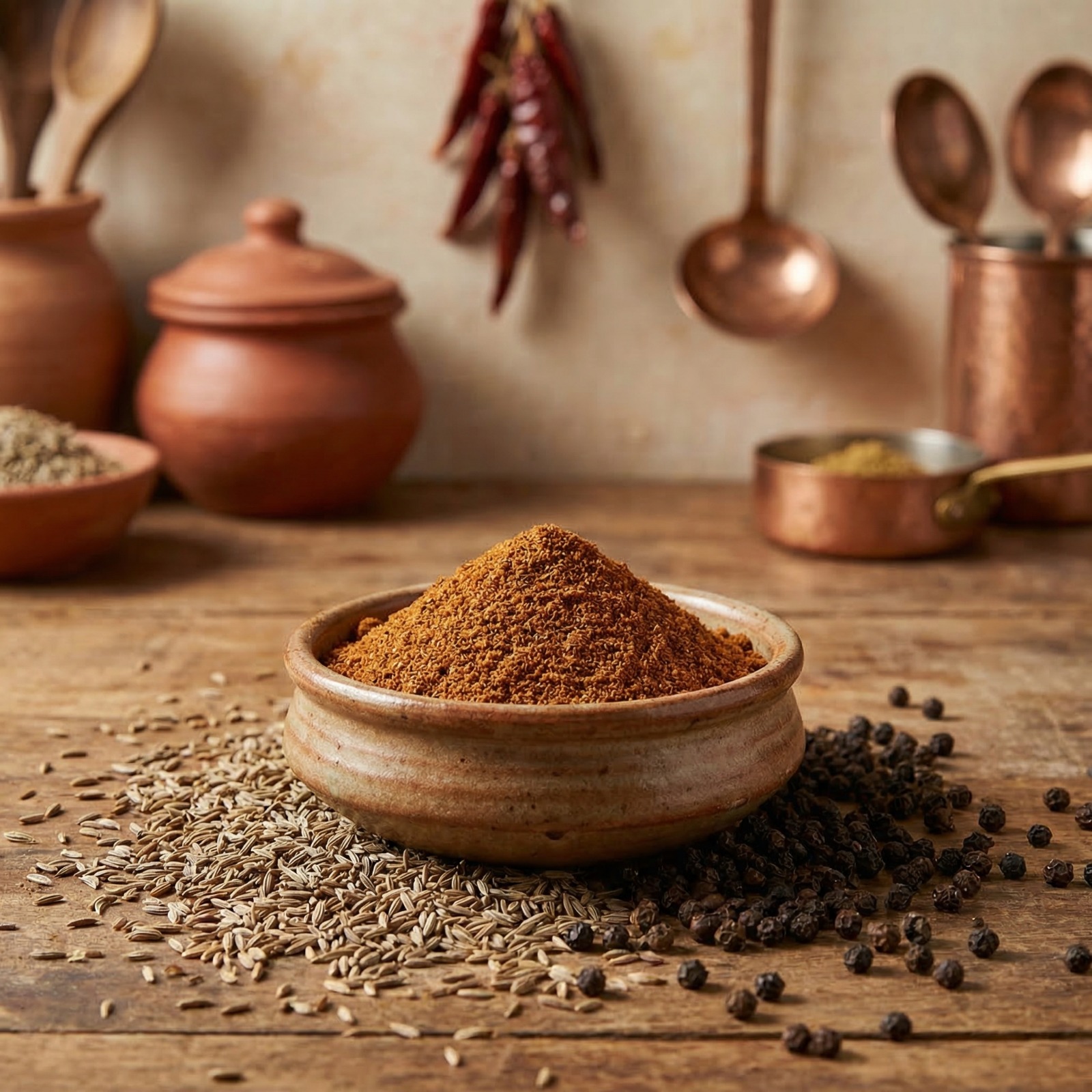
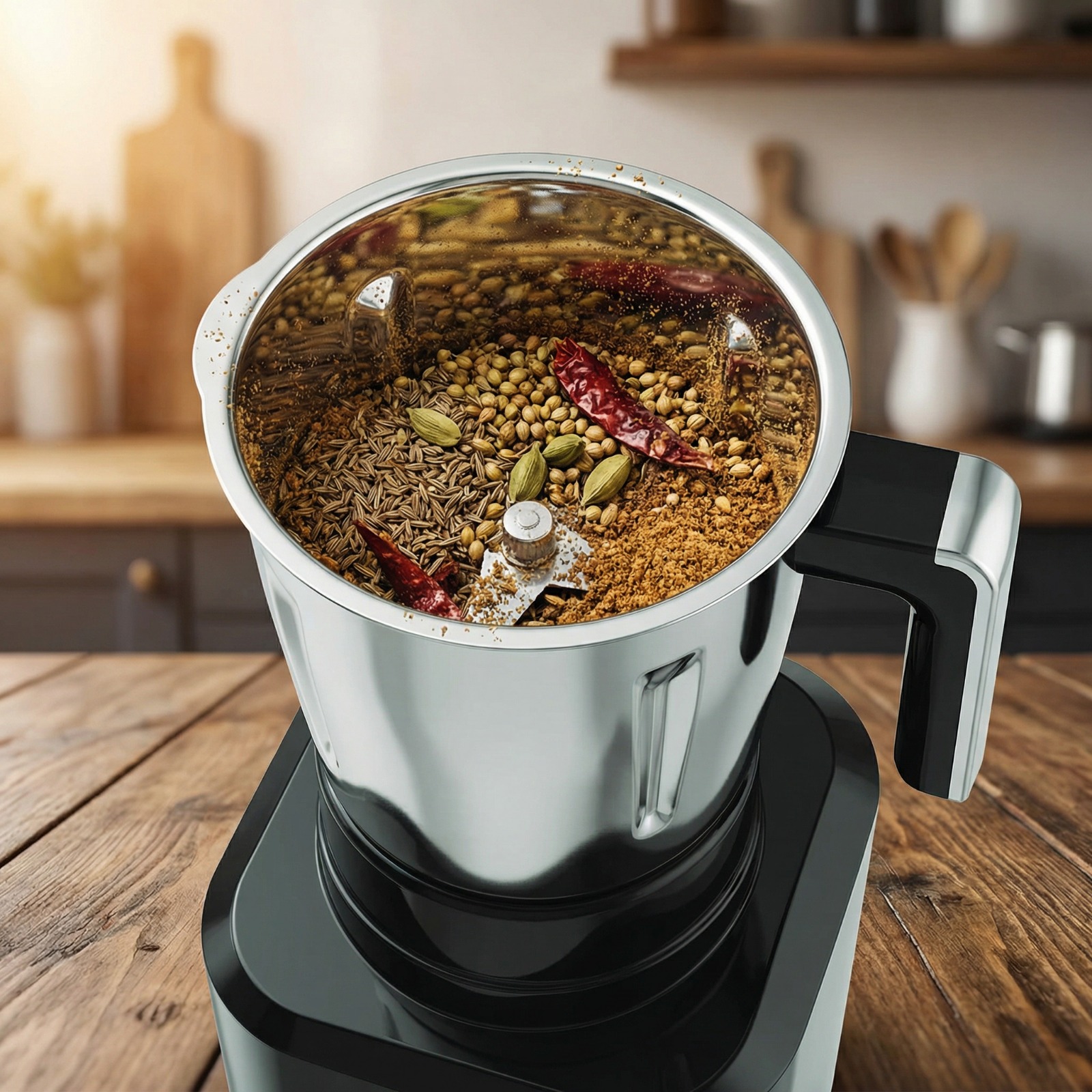
Grind into a slightly coarse powder. Don’t make it too fine, the texture is part of the taste.

Curry Leaf Podi
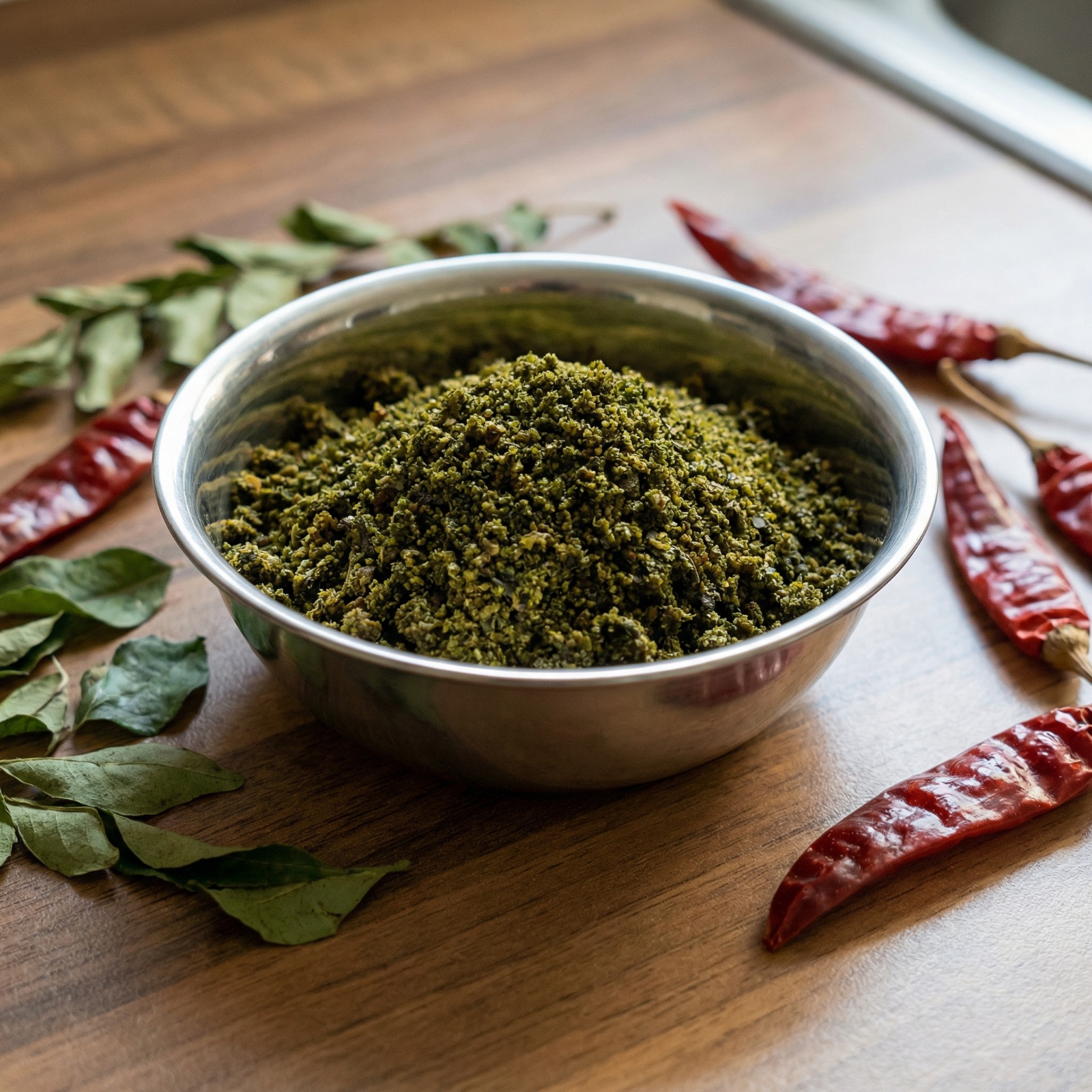
This one has a very distinct flavour and goes well with rice.

Prep time: 10 minutes
Roasting time: 8 minutes
Grinding time: 3 minutes
Makes: ¾ cup
Serves: 12–15 uses

Ingredients

  • 1 cup fresh curry leaves
  • 2 tablespoons urad dal
  • 1 tablespoon chana dal
  • 4–5 dried red chillies
  • 1 teaspoon cumin seeds
  • Salt to taste

Method

Wash and dry curry leaves completely. Any moisture will affect storage.

Roast dals first, then chillies and cumin.

Add curry leaves and roast until crisp.

Cool and grind.

You’ll notice the aroma immediately when it’s freshly ground.

Garlic Podi
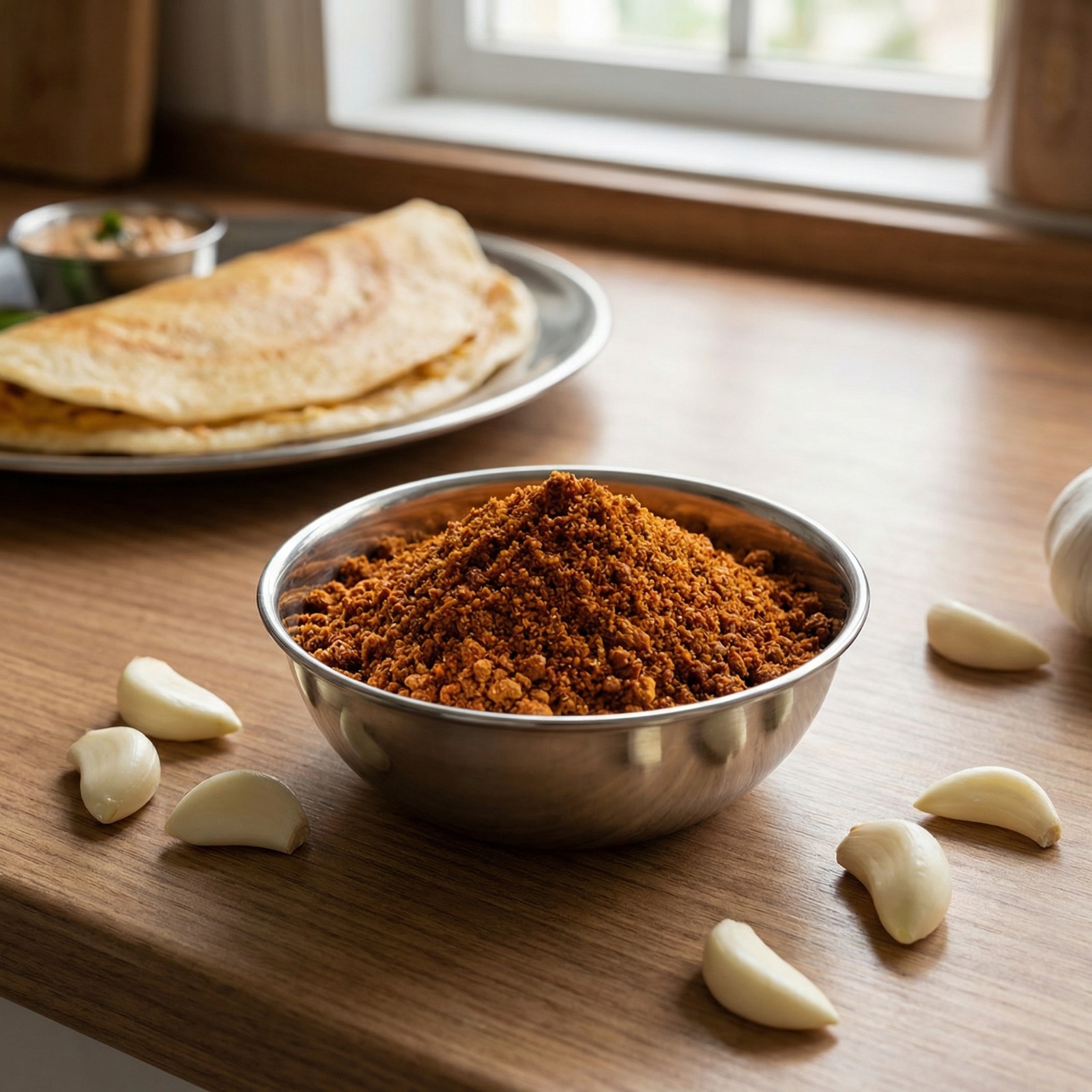
This one is slightly stronger in taste and works really well with dosa.

Prep time: 10 minutes
Roasting time: 8 minutes
Grinding time: 3 minutes
Makes: 1 cup
Serves: 15–20 uses

Ingredients

  • ½ cup garlic cloves
  • ¼ cup chana dal
  • 5–6 dried red chillies
  • 1 tablespoon sesame seeds
  • Salt to taste

Method

Dry roast chana dal first.

Add red chillies and sesame seeds.

Garlic can be lightly roasted or added raw depending on preference.

Cool everything and grind into a slightly coarse powder.

A mixer like the Ultra Stealth Mixer Grinder helps handle garlic well without making the mix too pasty.

Flaxseed Podi
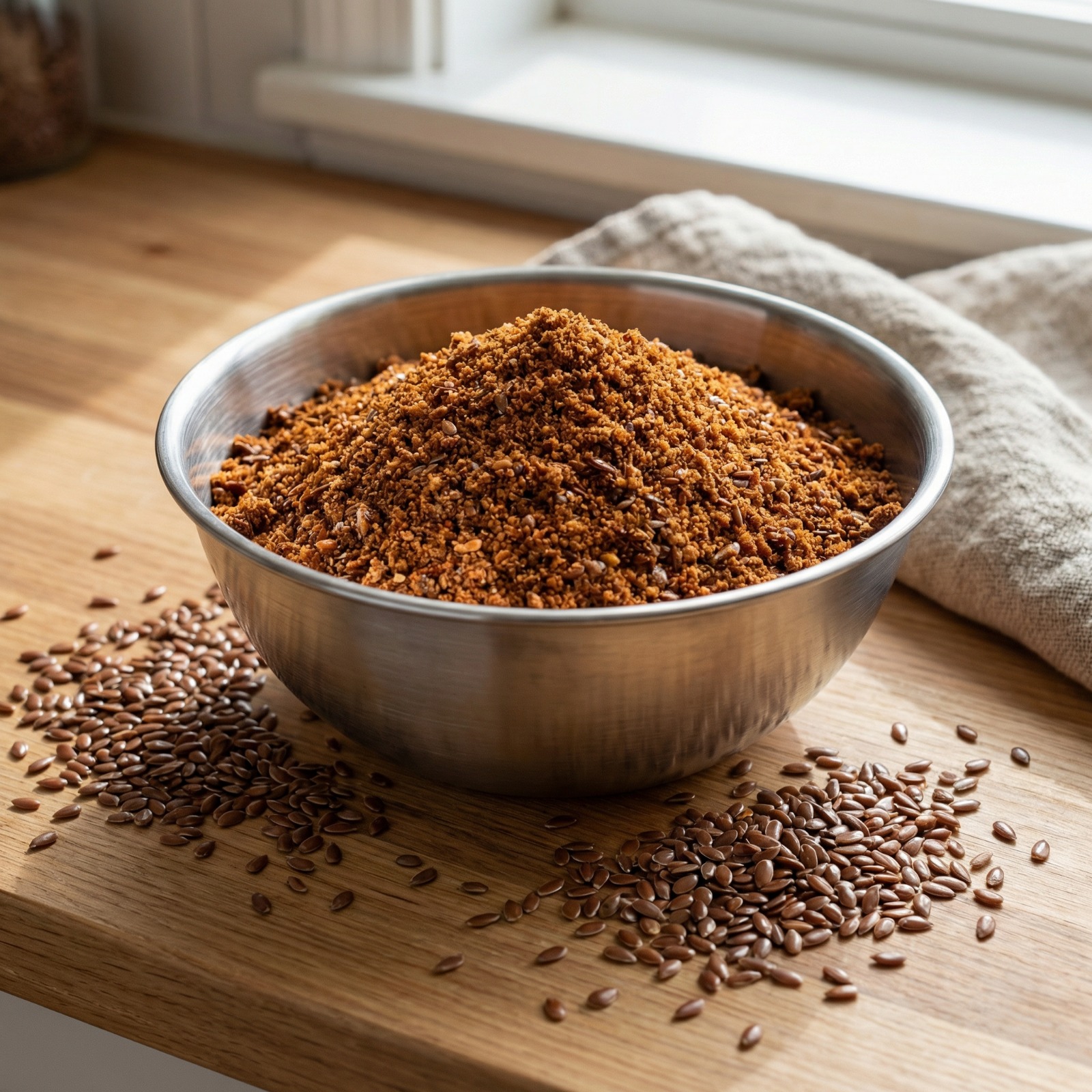
This is a more recent addition in many kitchens.

Prep time: 5 minutes
Roasting time: 5 minutes
Grinding time: 2 minutes
Makes: ½ cup
Serves: 10–12 uses

Ingredients

  • ½ cup flax seeds
  • 2 tablespoons urad dal
  • 3 dried red chillies
  • Salt to taste

Method

Roast flax seeds until they start popping slightly.

Roast dal and chillies separately.

Cool everything before grinding.

Flax seeds release oil, so grind in short pulses.

Paruppu Podi
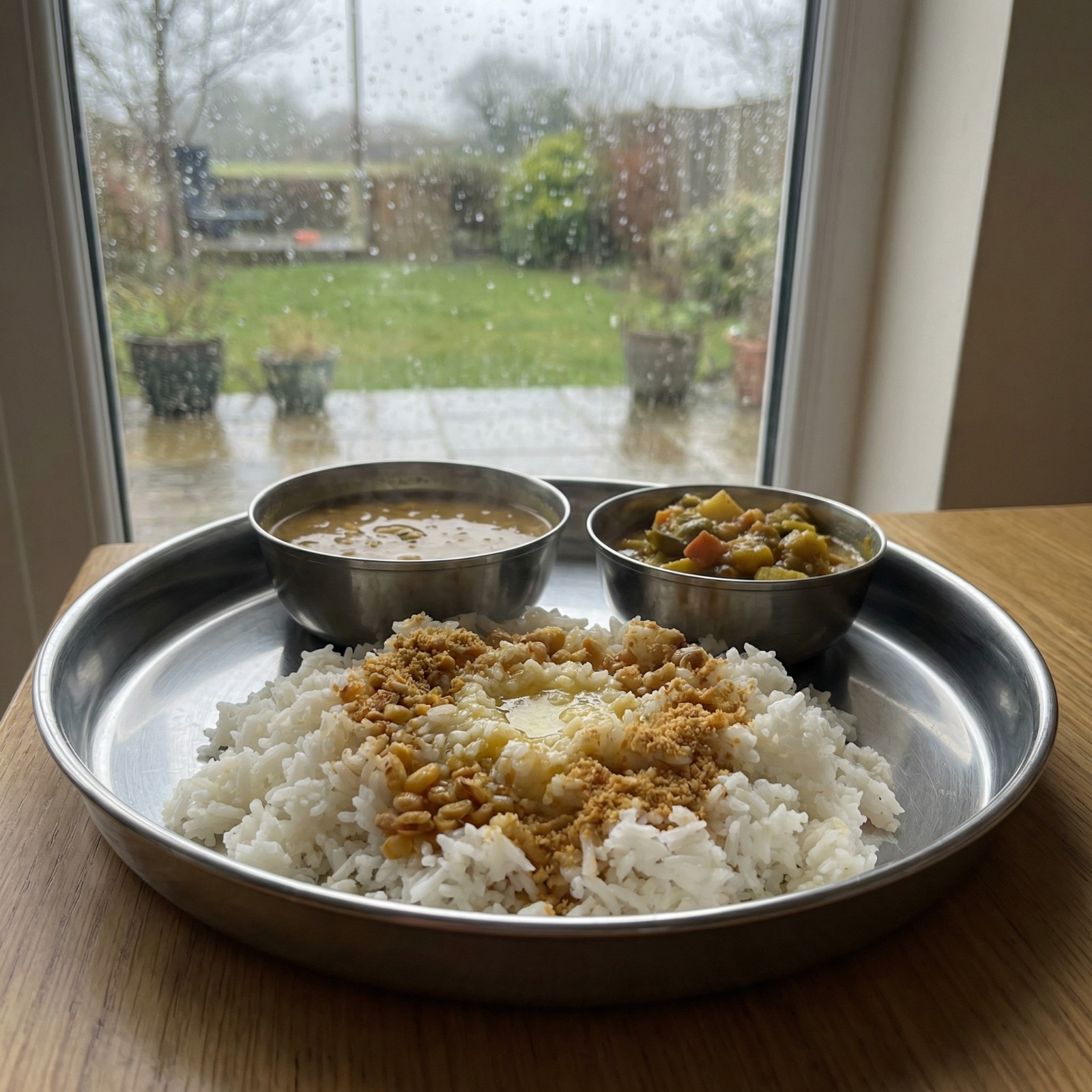
This is one of the simplest podis and pairs well with hot rice and ghee.

Prep time: 5 minutes
Roasting time: 8 minutes
Grinding time: 2 minutes
Makes: 1 cup
Serves: 15–20 uses

Ingredients

  • ½ cup toor dal
  • 2 dried red chillies
  • ½ teaspoon pepper
  • Salt to taste

Method

Roast dal until golden.

Add chillies and pepper.

Cool and grind into a medium coarse powder.

Small Things That Make a Difference

After making podi a few times, a few things become clear:

  • Always cool ingredients before grinding
  • Don’t grind continuously, use short pulses
  • Keep texture slightly coarse for better taste
  • Store in airtight containers

Also, avoid making very large batches. Fresh podi always tastes better.

Where a Mixer Grinder Helps

Podi might look simple, but getting the texture right is important. Too fine, and it feels like powder. Too coarse, and it doesn’t mix well.

A mixer grinder with good control helps here. You can stop midway, check texture, and grind again if needed.

Something like the Ultra Vario+ Mixer Grinder is useful when you’re grinding different types of ingredients back-to-back without much effort.
Final Thoughts

Podi is one of those things that doesn’t take much effort but adds a lot to everyday meals. Once you get used to making it at home, it becomes part of your routine.

You don’t need to prepare all five at once. Even making one or two fresh podis every week is enough to keep meals interesting.

With a mixer grinder, the process becomes quick enough to fit into regular cooking.

If you want to explore suitable options, you can check here:
https://www.elgiultra.com/mixer-grinder

Over time, these small additions quietly improve the way everyday food tastes at home.
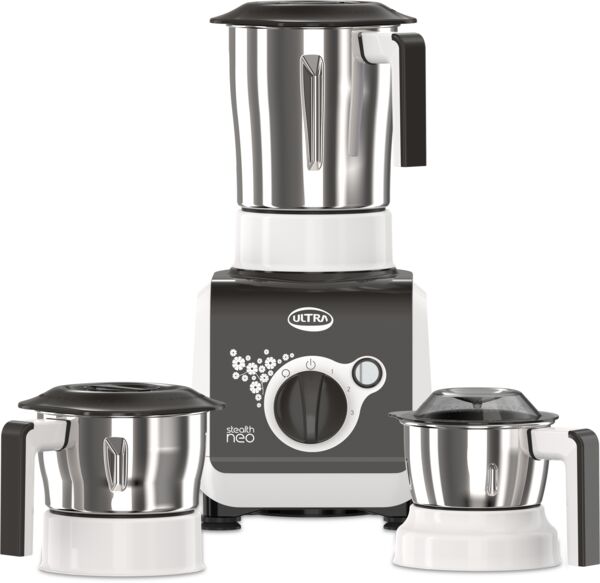
Elgi Ultra Mixer Grinders

The Ultra range of mixer grinders are designed to provide healthy and nutritious food at the right texture and consistency

FITTED WITH METAL COUPLERS

Lasts a lifetime compared to ordinary rubber couplers

AISI 304 FOOD-GRADE STAINLESS STEEL

Rust-resistant food-grade stainless steel jars

STAINLESS STEEL METAL BODY

Sturdy, reliable and long lasting

SLOW JUICING FUNCTION

For thick, nutritious juice without crushed seeds

CHOPPER / KNEADER ATTACHMENTS

Tasks like chopping vegetables and kneading dough are made easier using extra smart attachments

ELECTRONIC SPEED SENSOR

Automatically corrects speed fluctuations and maintains the specified grinding speed to get the right texture & taste
Homemade Instant Breakfast Mixes Using a Mixer Grinder

Morning time in most homes is usually rushed. There’s always something happening at the same time, getting ready, packing things, and trying to put together a proper breakfast in between all that.

That’s where instant breakfast mixes quietly make life easier. Not the store-bought ones, but the kind you make at home and keep ready. Once you have a few of these stocked, breakfast becomes less about effort and more about just assembling.

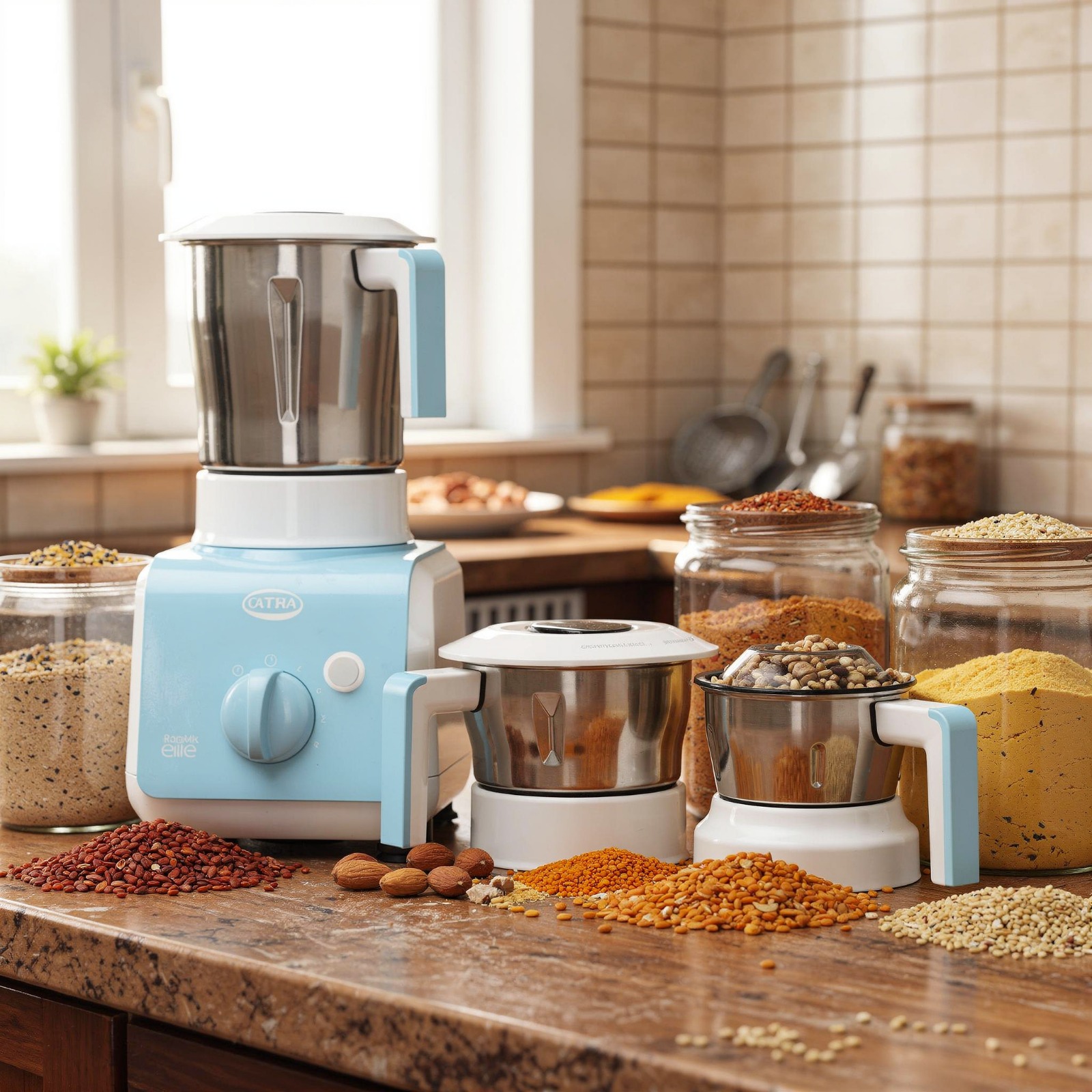
The good thing is, you don’t need anything complicated to prepare them. A mixer grinder is enough. Something like the Ultra Stealth Mixer Grinder or the Ultra Vario+ Mixer Grinder works well for grinding grains, dals, and nuts into smooth or slightly coarse mixes.

You can explore the full range here:
https://www.elgiultra.com/mixer-grinder

If you set aside a little time once in a week or two, you can prepare mixes that last for several days.

Why Make Your Own Breakfast Mixes

It’s not just about saving time. Once you start making these at home, you notice a few differences.

  • You control the ingredients
  • No preservatives or additives
  • You can adjust taste based on your preference
  • Works out more economical in the long run

Also, you can rotate ingredients depending on what you feel like eating that week.

Ragi Instant Mix

Ragi is something many people try to include regularly, but cooking it fresh every day takes time. This mix makes it easier.

Prep time: 15 minutes
Roasting time: 10 minutes
Grinding time: 4 minutes
Makes: Around 2 cups mix
Serves: 8–10 servings

Ingredients

  • 1 cup ragi flour or whole ragi
  • 2 tablespoons roasted gram (pottukadalai)
  • 1 tablespoon almonds
  • 1 teaspoon cardamom (optional)

Method

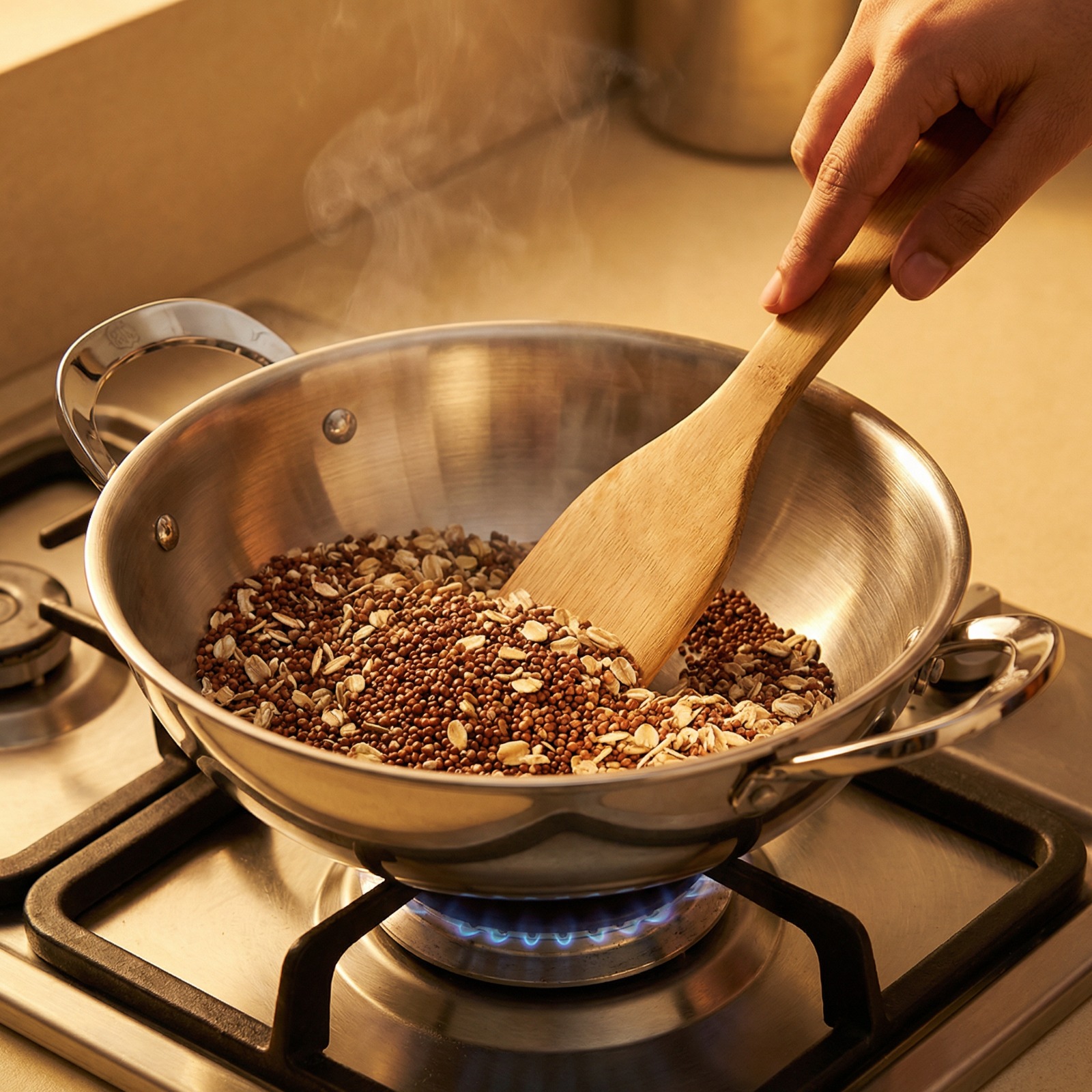
If you’re using whole ragi, dry roast it first until it feels light and aromatic. Let it cool completely.

Add roasted gram, almonds, and cardamom.

Grind everything into a fine powder. A mixer like the Ultra Vario+ Mixer Grinder helps get a smoother texture, especially when nuts are involved.

Store in an airtight container.

How to use

  • Mix 2 tablespoons with hot water or milk
  • Stir continuously to avoid lumps
  • Add jaggery or salt based on preference

Multigrain Health Mix

This is one of those mixes you can customise based on what you have at home.

Prep time: 20 minutes
Roasting time: 15 minutes
Grinding time: 5 minutes
Makes: Around 3 cups
Serves: 12–15 servings

Ingredients

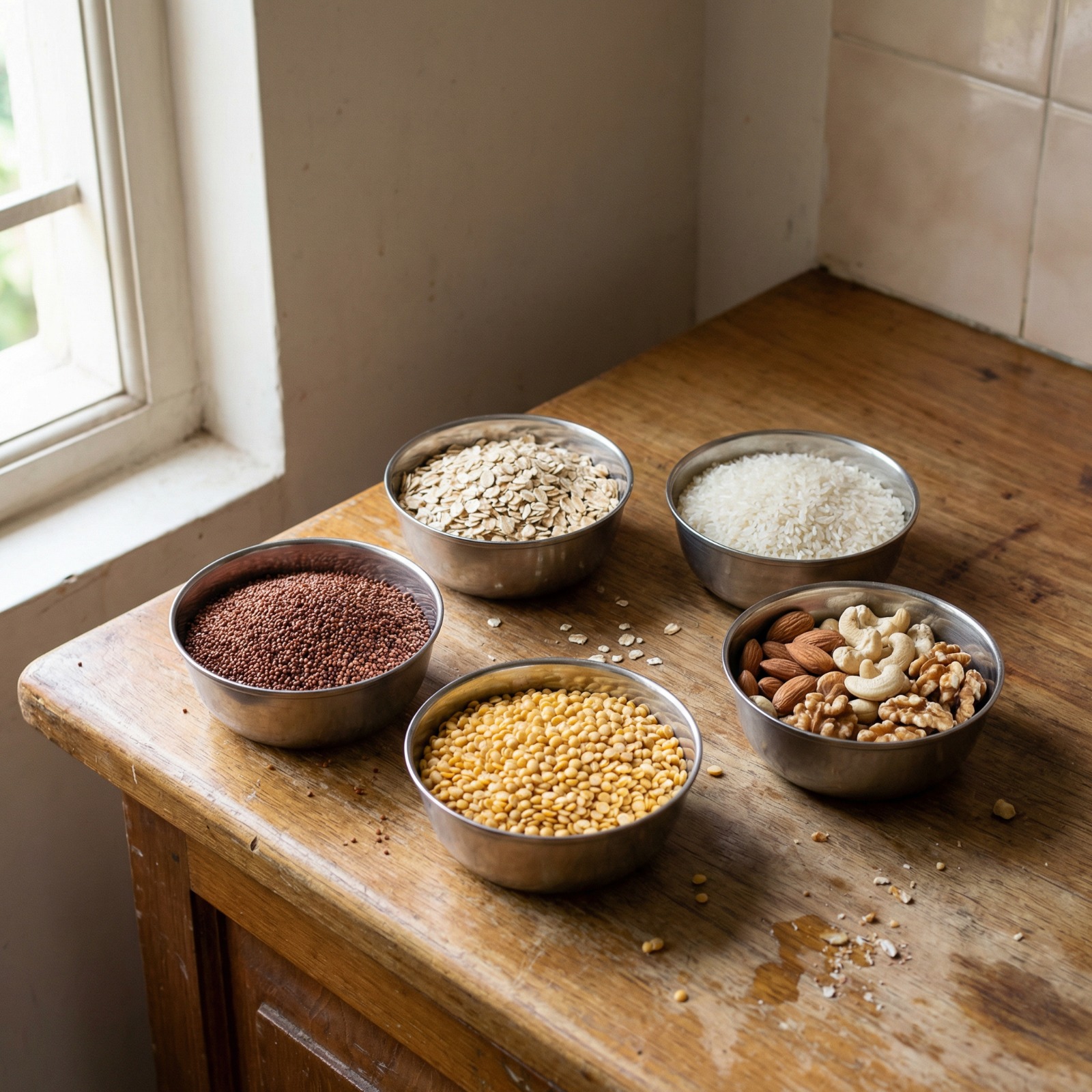
  • ½ cup oats
  • ½ cup wheat
  • ¼ cup rice
  • 2 tablespoons moong dal
  • 2 tablespoons almonds
  • 1 tablespoon flax seeds

Method

Roast each ingredient separately. This is important because different grains roast at different speeds.

Let everything cool completely.

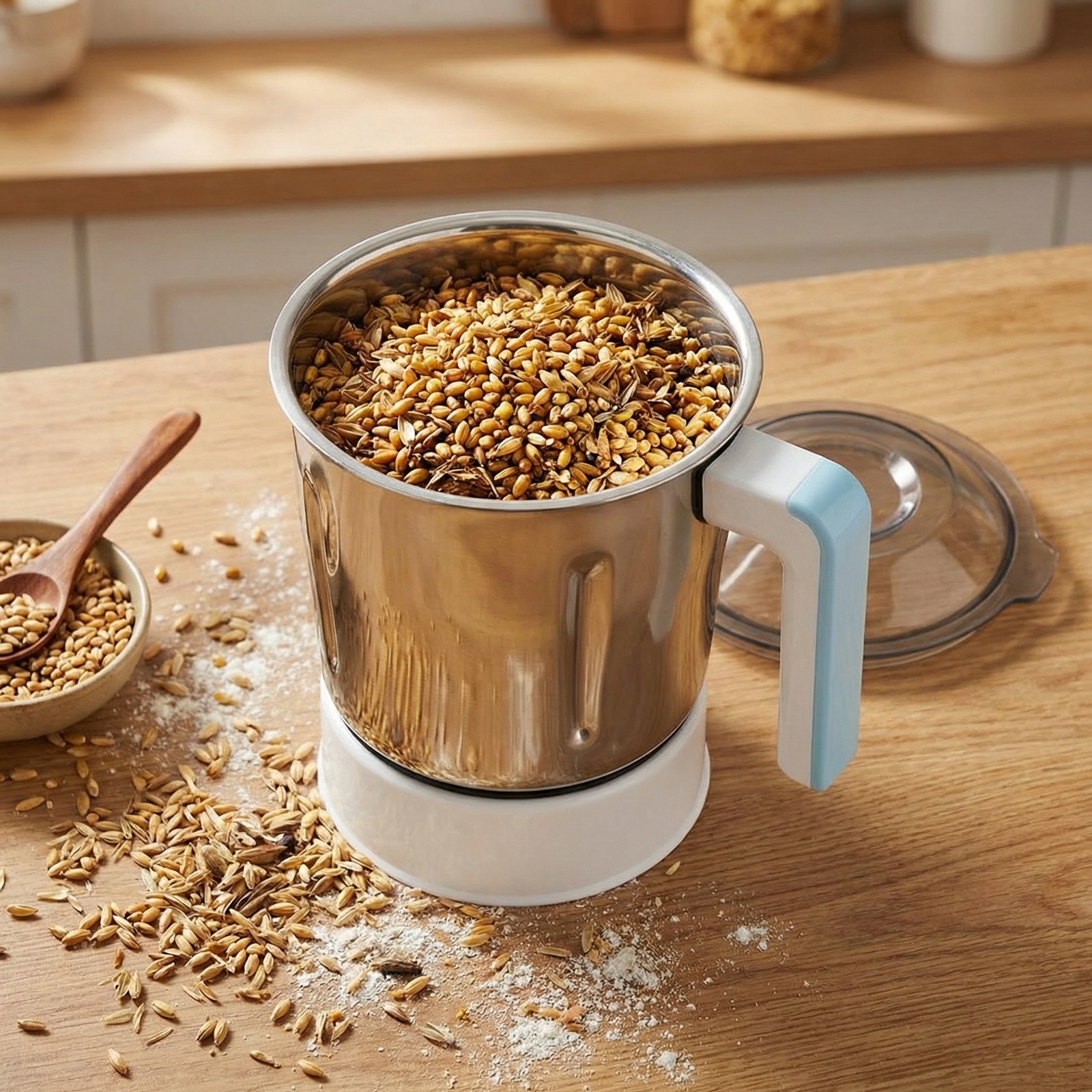
Grind in batches to a slightly fine powder. Don’t overload the jar.

For larger batches like this, something like the Ultra Topp Mixer Grinder is useful since it handles repeated grinding comfortably.

Store in airtight containers.

How to use

  • Cook with water for a porridge
  • Add milk and sweetener if preferred
  • Can also be used as a base for dosa batter

Instant Dosa Mix (Quick Version)

This is helpful for days when you don’t have fermented batter ready.

Prep time: 10 minutes
Roasting time: 8 minutes
Grinding time: 4 minutes
Makes: 2 cups mix
Serves: 8–10 dosas

Ingredients

  • 1 cup rice flour
  • ¼ cup urad dal
  • 2 tablespoons poha
  • 1 teaspoon cumin seeds

Method

Roast urad dal and poha lightly.

Let them cool, then grind along with rice flour and cumin.

Store the mix.

How to use

  • Add water to make batter
  • Rest for 10–15 minutes
  • Make dosa as usual

Instant Idli Rava Mix

A simple backup for when batter runs out.

Prep time: 10 minutes
Grinding time: 3 minutes
Makes: 2 cups
Serves: 10–12 idlis

Ingredients

  • 1 cup idli rava
  • ½ cup roasted urad dal flour

Method

Grind urad dal into a fine powder.

Mix with idli rava and store.

How to use

  • Add curd and water
  • Rest for 15–20 minutes
  • Steam like regular idlis

A Few Small Things That Help

After doing this a couple of times, a few habits make the process smoother:

  • Always cool ingredients before grinding
  • Grind in small batches
  • Use dry jars for powders
  • Label containers with date

Also, don’t try to make too much at once. Smaller batches stay fresher.

How This Helps in Daily Cooking

Once these mixes are ready, mornings become simpler.

Instead of starting from scratch:

  • You just scoop, mix, and cook
  • No soaking or long prep needed
  • Less cleanup

It doesn’t completely replace cooking, but it definitely reduces effort.

Final Thoughts

Homemade breakfast mixes are one of those small changes that quietly make everyday cooking easier. You spend a little time once, and it saves you time multiple times later.

A mixer grinder plays a simple but important role here. Not just for one recipe, but for preparing different mixes back-to-back without much effort.

If you’re planning to try this regularly, you can explore suitable options here:
https://www.elgiultra.com/mixer-grinder

Once you get used to keeping a few mixes ready, mornings feel a lot less rushed and a bit more manageable.

Elgi Ultra Mixer Grinders

The Ultra range of mixer grinders are designed to provide healthy and nutritious food at the right texture and consistency

FITTED WITH METAL COUPLERS

Lasts a lifetime compared to ordinary rubber couplers

AISI 304 FOOD-GRADE STAINLESS STEEL

Rust-resistant food-grade stainless steel jars

STAINLESS STEEL METAL BODY

Sturdy, reliable and long lasting

SLOW JUICING FUNCTION

For thick, nutritious juice without crushed seeds

CHOPPER / KNEADER ATTACHMENTS

Tasks like chopping vegetables and kneading dough are made easier using extra smart attachments

ELECTRONIC SPEED SENSOR

Automatically corrects speed fluctuations and maintains the specified grinding speed to get the right texture & taste
Why Your Batter Turns Sour Too Fast (And How Grinding Method Affects It)

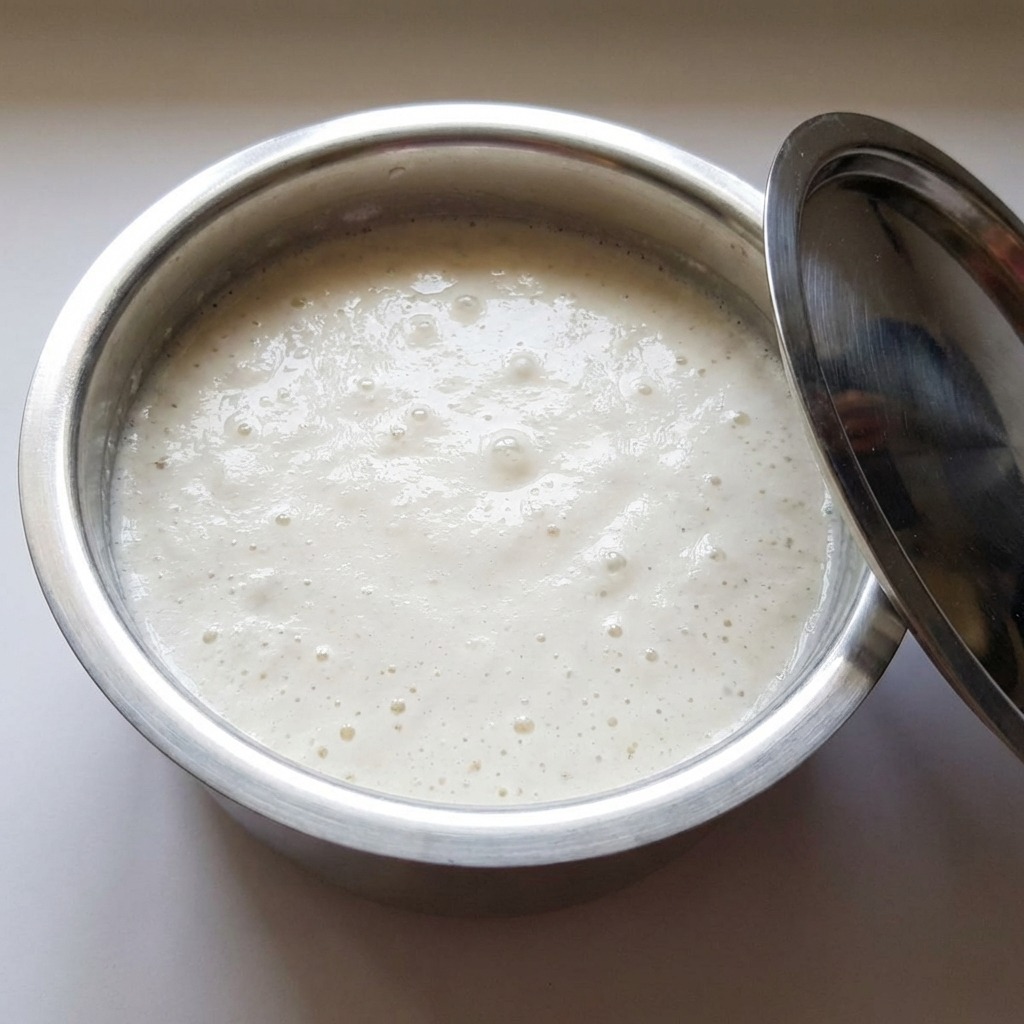
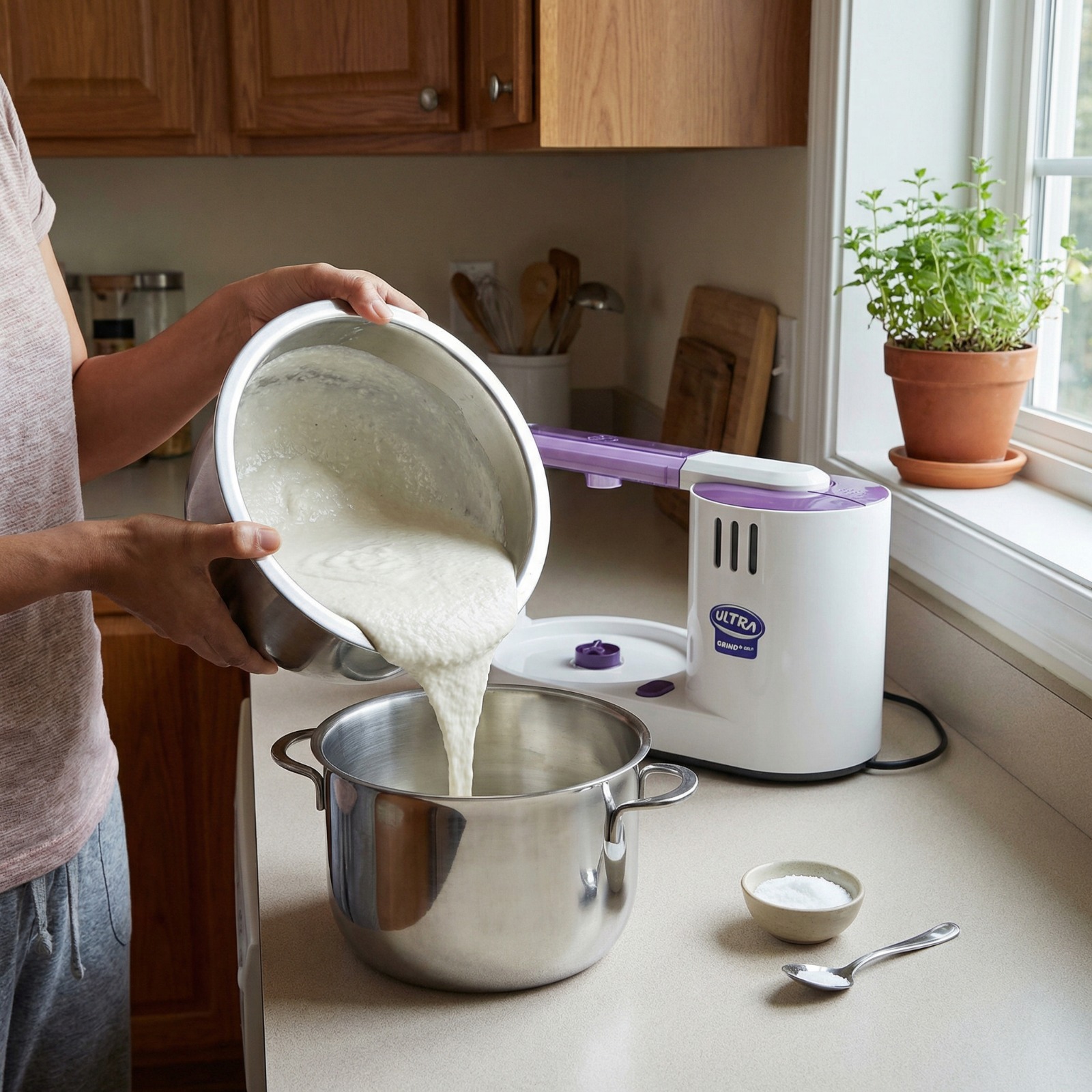
You grind batter at night thinking breakfast is sorted. Next morning, you open the lid and something feels off. The smell is stronger than it should be. Not the usual mild tang. It has already gone a bit too sour.

Most people blame the weather and move on. But if you’ve noticed this happening often, there is usually one main reason hiding in plain sight. It starts with how the batter is ground.

It’s Not Just Fermentation. It Starts During Grinding

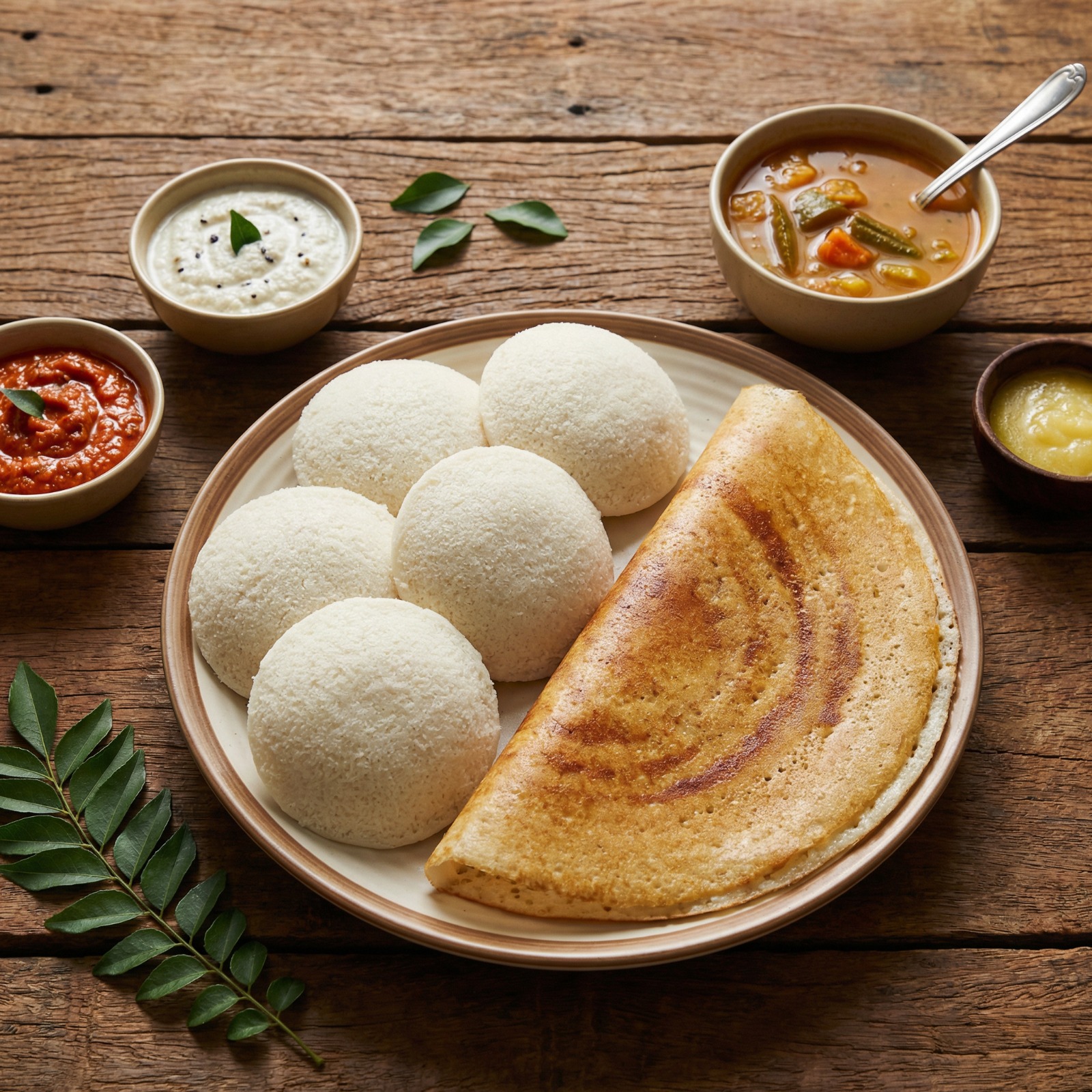
Fermentation is supposed to happen slowly, overnight. That is what gives you soft idlis and balanced dosa batter.

But when batter turns sour too fast, the process actually begins much earlier. Right inside your grinder.

When you use a mixer grinder, the blades rotate at very high speed. This creates friction, and that friction creates heat. Even if it feels mild, that temperature rise is enough to activate fermentation early.

So by the time you leave the batter overnight, it is already halfway fermented. By morning, it crosses the ideal stage and turns overly sour.

This is why mixer-ground batter often feels unpredictable. Same ingredients, same quantity, but different results.

Why Wet Grinding Makes a Noticeable Difference

Now compare this with wet grinding.

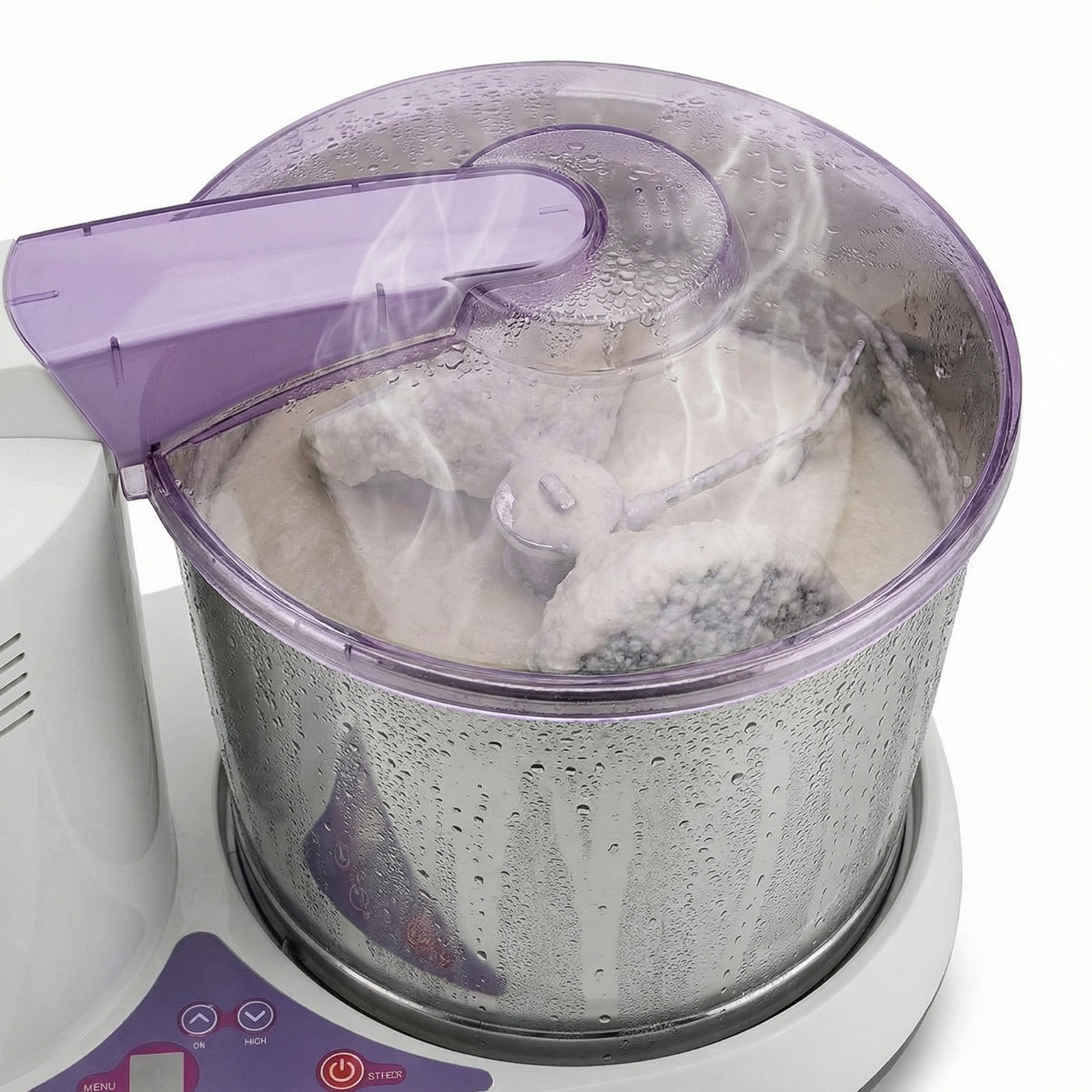
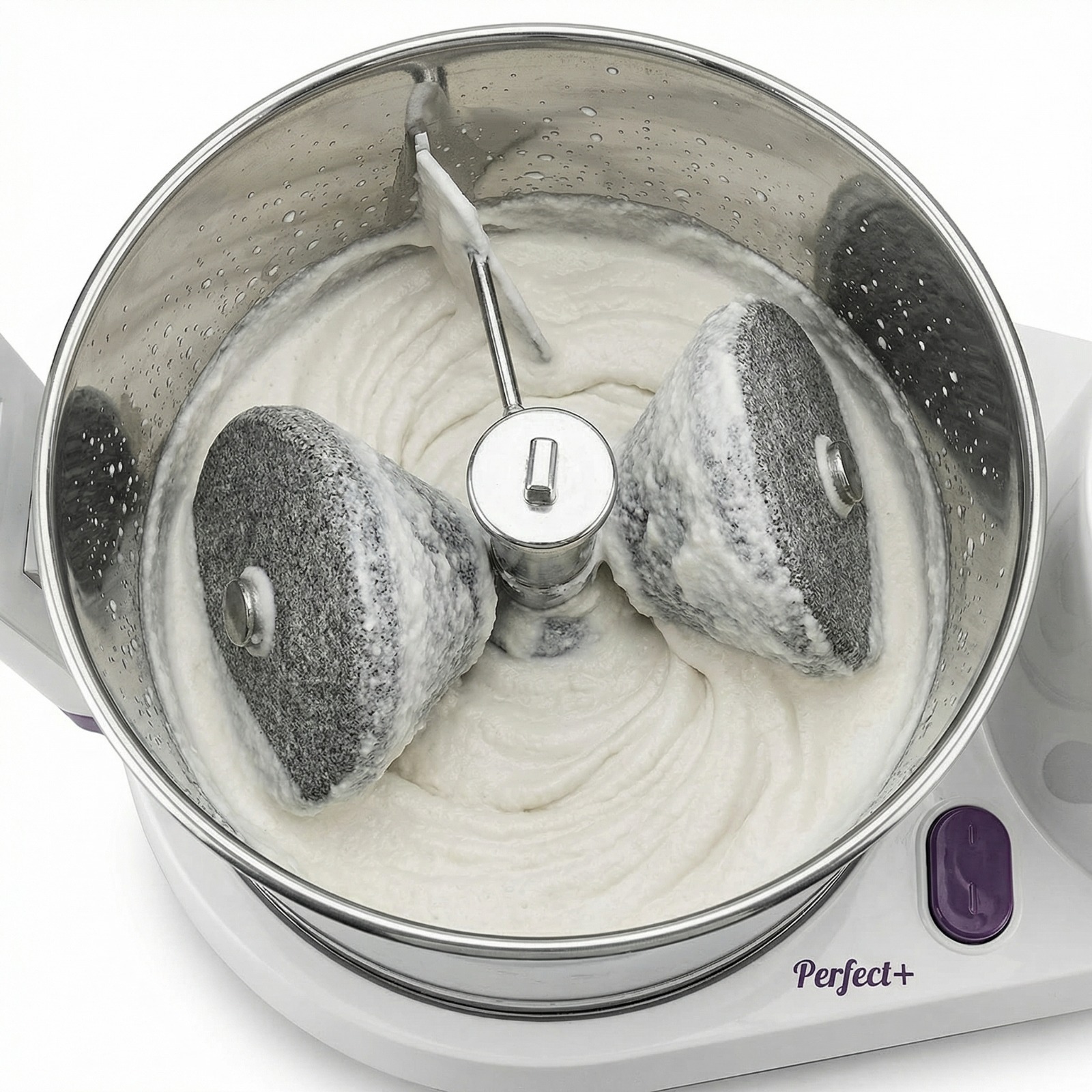
A wet grinder works very differently. Instead of cutting through ingredients, it slowly crushes and rotates them using stone rollers. The speed is lower, and more importantly, heat buildup is minimal.

This means your batter stays closer to room temperature during grinding. Fermentation starts when it is supposed to, not before.

That one change gives you better control over how the batter behaves the next day.

If you are using a dedicated appliance like an Elgi Ultra wet grinder, this process becomes more consistent because of its conical stone design, which is built specifically to reduce heat while grinding.

👉 Explore the full range here:
https://www.elgiultra.com/wet-grinders

Texture Also Decides How Fast Batter Turns Sour

There is another factor that often gets ignored. Texture.

Good batter is not just smooth. It should also feel light. When urad dal is ground properly, it traps tiny air pockets. This helps the batter rise evenly during fermentation.

Wet grinders naturally create this kind of texture. The batter feels slightly fluffy and well combined.

In a mixer grinder, the texture can become slightly dense or uneven. This affects how fermentation spreads through the batter, sometimes making it faster and less controlled.

That is when you see batter turning sour quicker than expected.

Small Habits That Make the Problem Worse

Even with the right appliance, a few everyday habits can speed up souring.

Grinding longer than needed can slowly build heat
Adding excess water makes the batter ferment faster
Closing the lid tightly immediately after grinding traps heat
Leaving batter near the stove or in a warm spot accelerates fermentation

Fixing these small things can already improve your results.

Choosing the Right Wet Grinder for Your Kitchen

If you prepare batter regularly, using a wet grinder is not just about convenience. It helps maintain consistency across batches.

Here are a few options from Elgi Ultra that suit different needs:

For smaller households or compact kitchens, the Micro Wet Grinder is easy to handle and perfect for everyday batter preparation
👉 https://www.elgiultra.com/micro.html

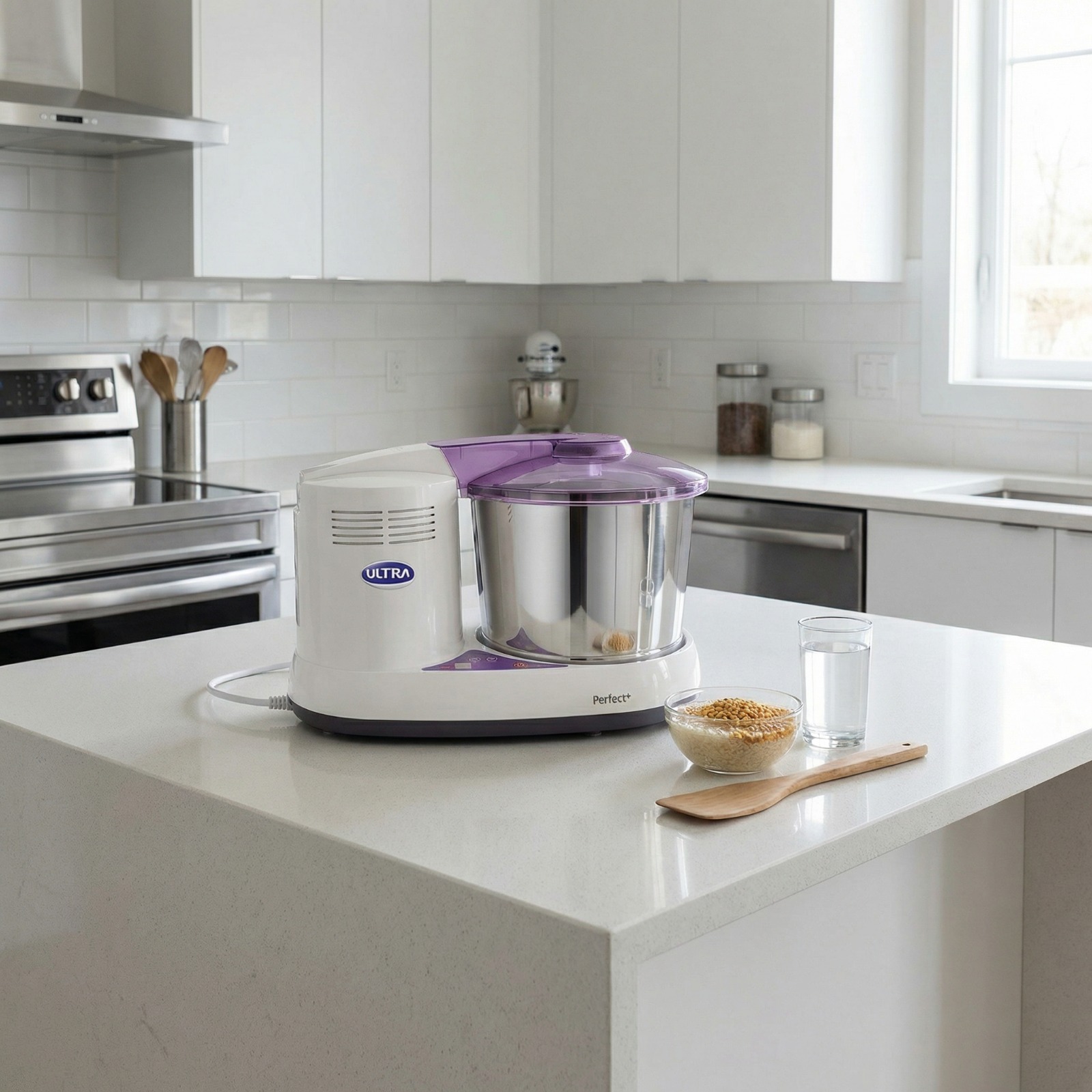
For regular family use, the Perfect+ Wet Grinder offers a balanced capacity and reliable performance for idli and dosa batter
👉 https://www.elgiultra.com/products/wet-grinders-all

If you prefer grinding larger quantities at once, the Bigg+ Wet Grinder is designed to handle bigger batches without affecting texture
👉 https://www.elgiultra.com/products/wet-grinders-all

All these models are designed to support slow grinding, which helps maintain batter quality and fermentation control.

Simple Ways to Keep Batter Fresh for Longer

If your goal is to prevent batter from turning sour too quickly, a few small changes can help:

Grind using a wet grinder to reduce heat buildup
Let the batter ferment only until it rises, then refrigerate
Avoid adding salt before fermentation
Use the right consistency, not too thick and not too watery
Store in a steel container instead of sealing it too tightly

These are simple adjustments, but they make a noticeable difference over time.

The Real Reason Behind Sour Batter

When batter turns sour too fast, it is easy to blame ingredients or climate. But more often than not, the issue starts during grinding.

A method that generates heat speeds up fermentation before you even realise it. A slower, more controlled grinding method keeps things balanced.

Once you get this part right, everything else becomes easier. Your batter behaves better, tastes better, and stays usable longer.

And that consistency is what makes everyday cooking feel effortless.

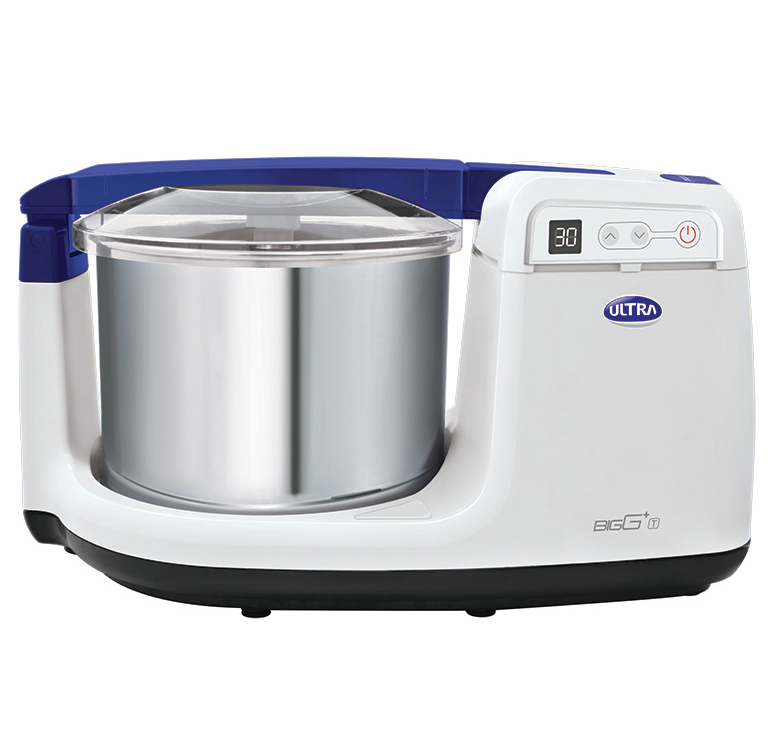
wet-grinder-bigg+T

Elgi Ultra Grinder

Ultra is the pioneer in compact table top wet grinders and innovator of the patented conical stones. The patented conical stone design makes the batter smooth.

PATENTED CONICAL STONES

For effective grinding without high batter temperature rise

AISI 304 STAINLESS STEEL

Rust-resistant food-grade stainless steel drum for healthy food

ABS BODY

Lighter weight, longer life and great looks

150-WATT MOTOR

Powerful 150W motor for better grinding

2.5L WET GRINDER

Ideal for a family of 4

DIGITAL TIMER

Beep alert & auto switch-off at preset grinding time

MULTI UTILITY DRUM

Batter can be stored in the same drum after grinding

BATTER CLEANER

For easy cleaning of conical stones

How to Prep One Week of Cooking Bases in Under 1 Hour Using a Mixer Grinder

There’s a point in most kitchens where daily cooking starts feeling repetitive. Not because of the recipes, but because of the prep work. Peeling garlic, chopping onions, grinding tomatoes, doing the same steps again and again every single day.

After a while, you realise most of the time is not spent cooking. It’s spent getting things ready before cooking even begins.

One simple way to make things easier is to prep a few basic cooking bases in advance. Nothing fancy. Just the everyday things you use almost daily. Once these are ready and sitting in the fridge, cooking feels much lighter.

A mixer grinder makes this whole process quicker. Something like the Ultra Stealth Mixer Grinder works well here because you’re not just grinding one thing, you’re doing multiple small batches one after the other.

You can explore the range here:
https://www.elgiultra.com/mixer-grinder

If you set aside about an hour, you can get most of your week’s base prep done in one go.

What You’re Actually Prepping

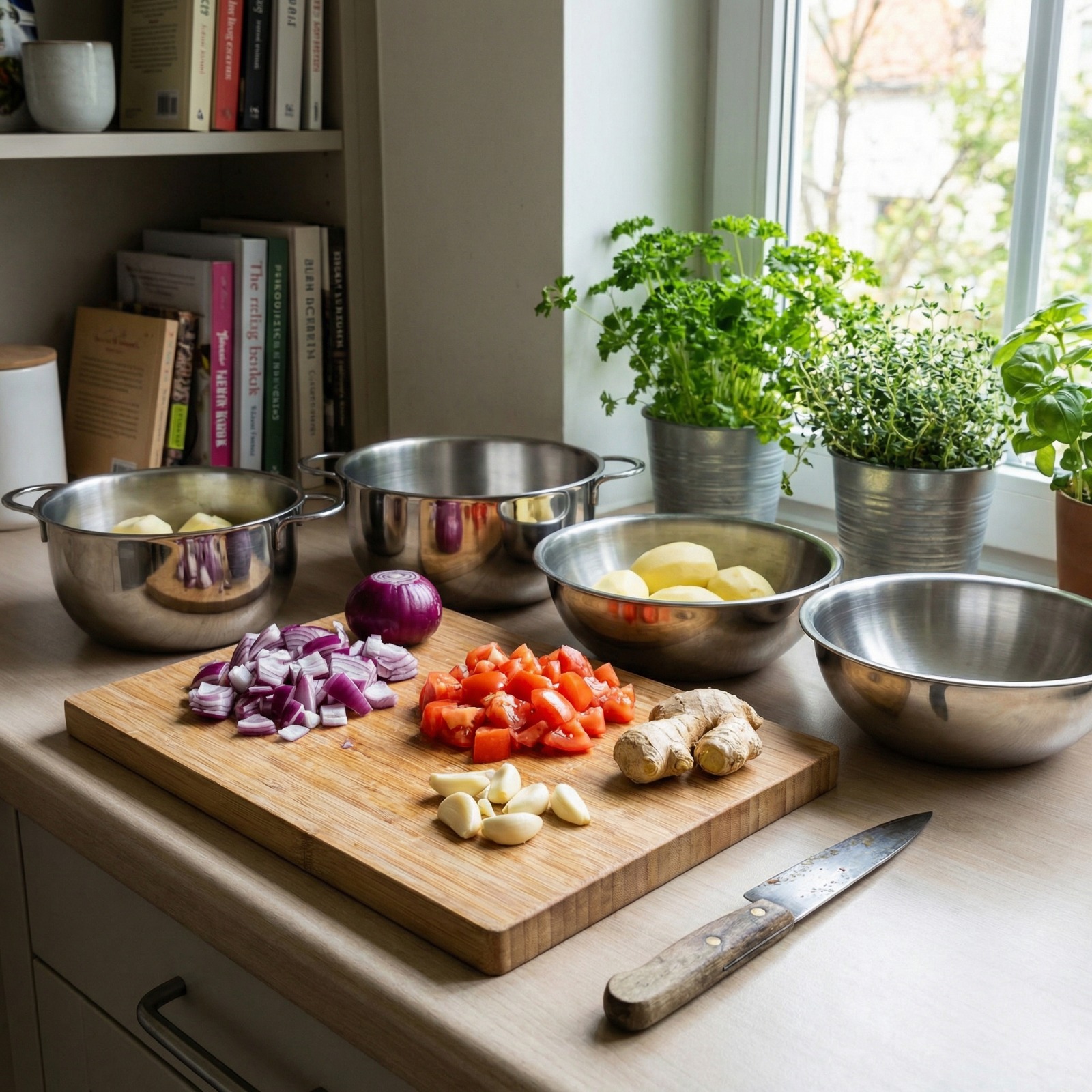
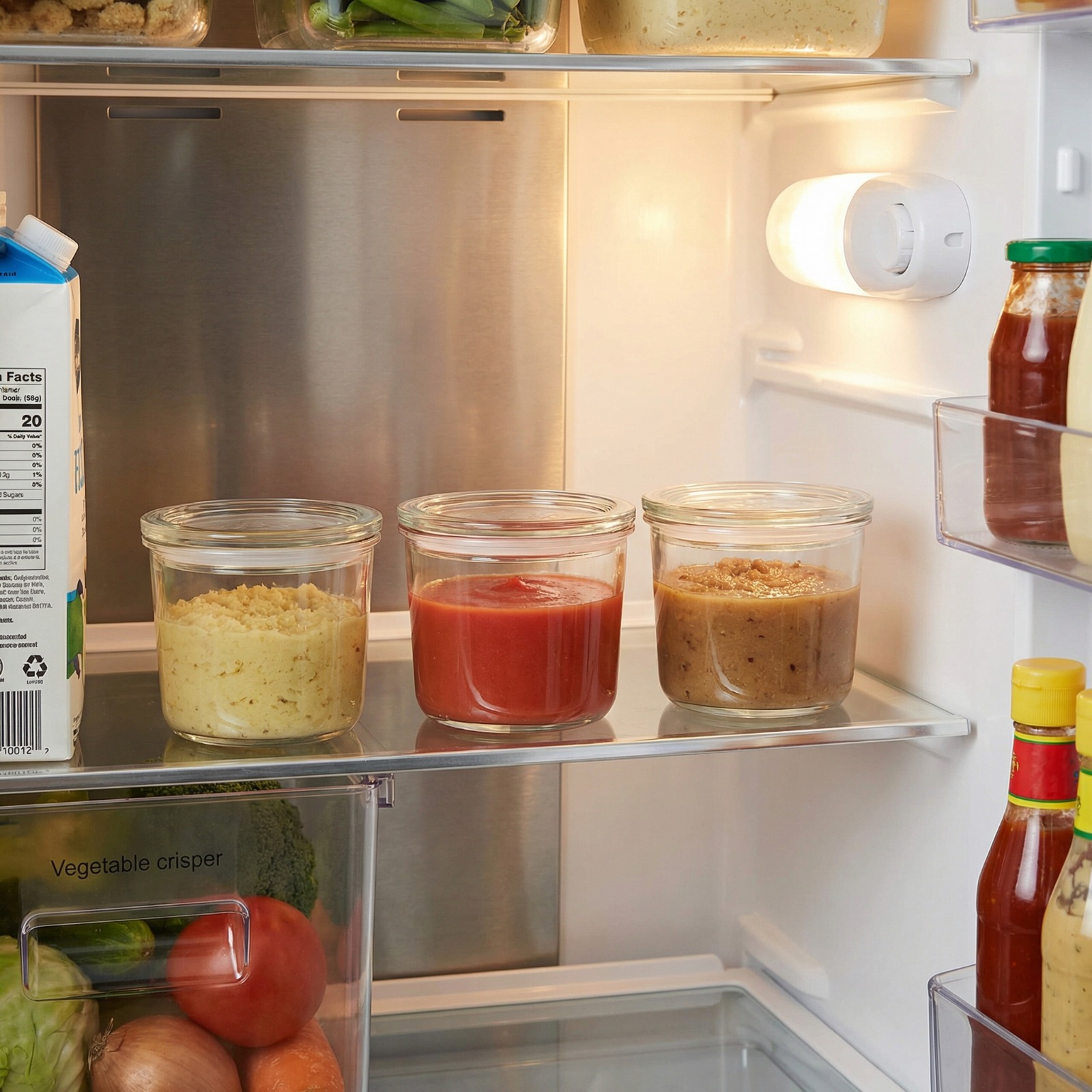
Instead of thinking of it as “meal prep”, it helps to keep it simple. You’re just preparing three things:

  • Onion base
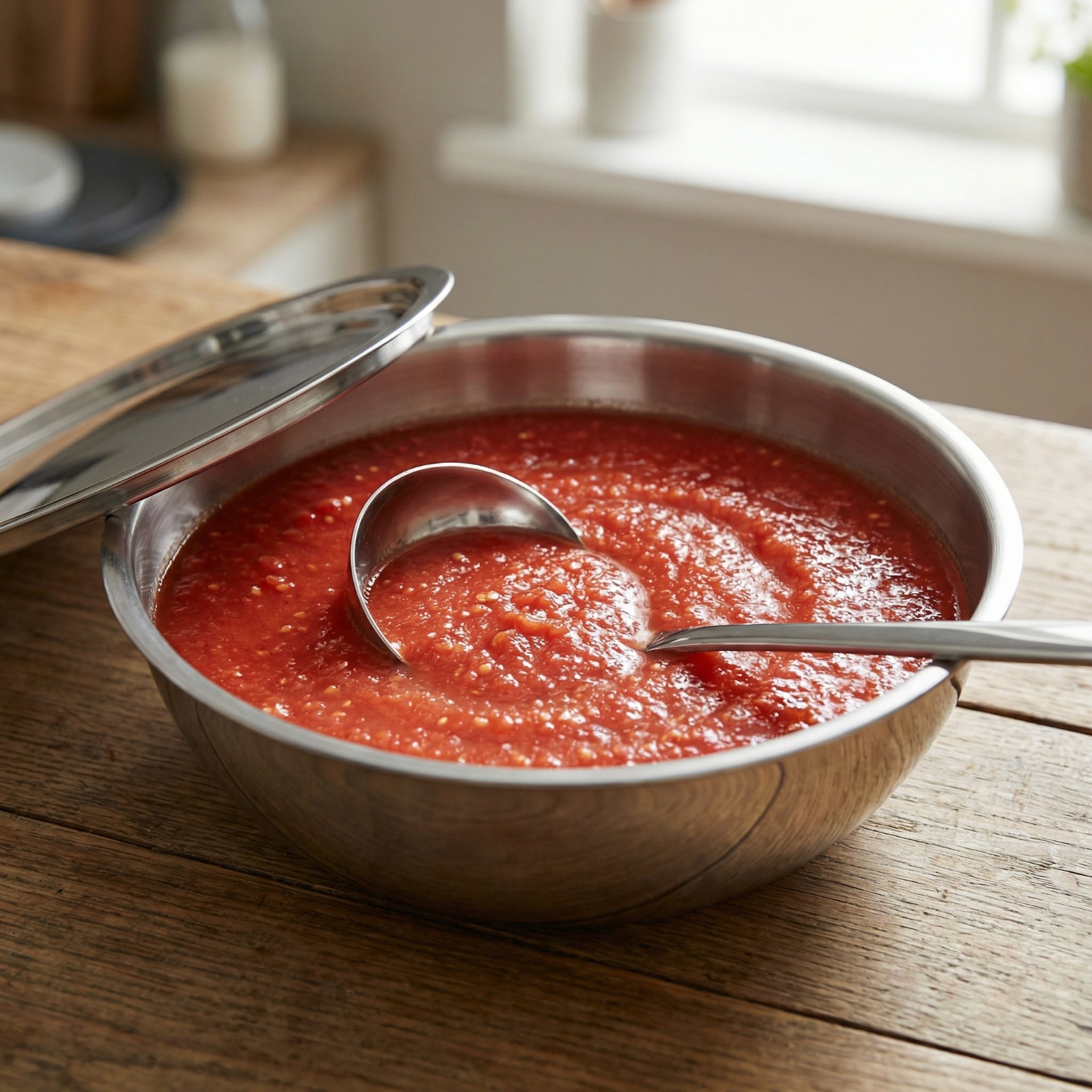
  • Tomato puree
  • Ginger garlic paste

These three alone cover a large part of everyday Indian cooking.

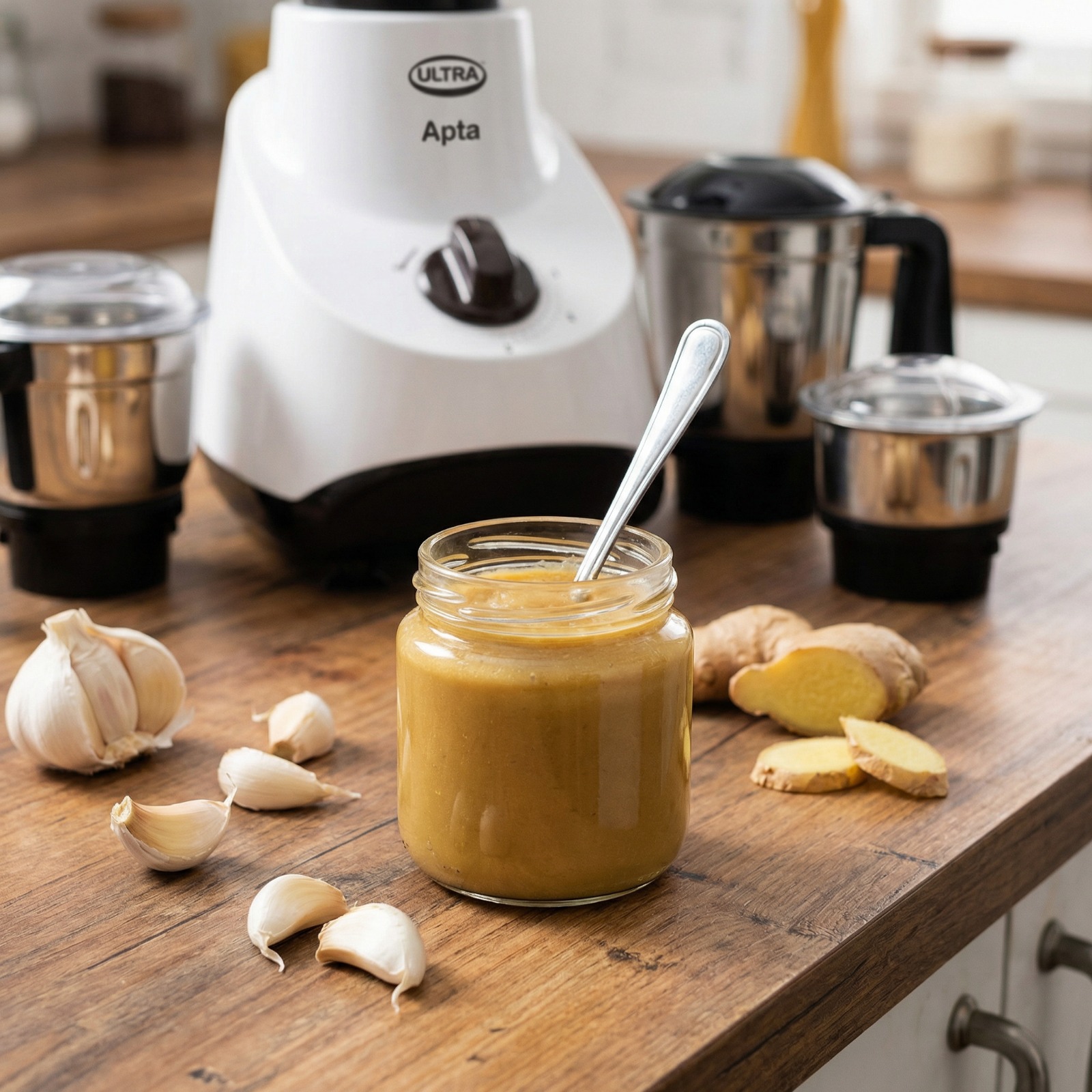
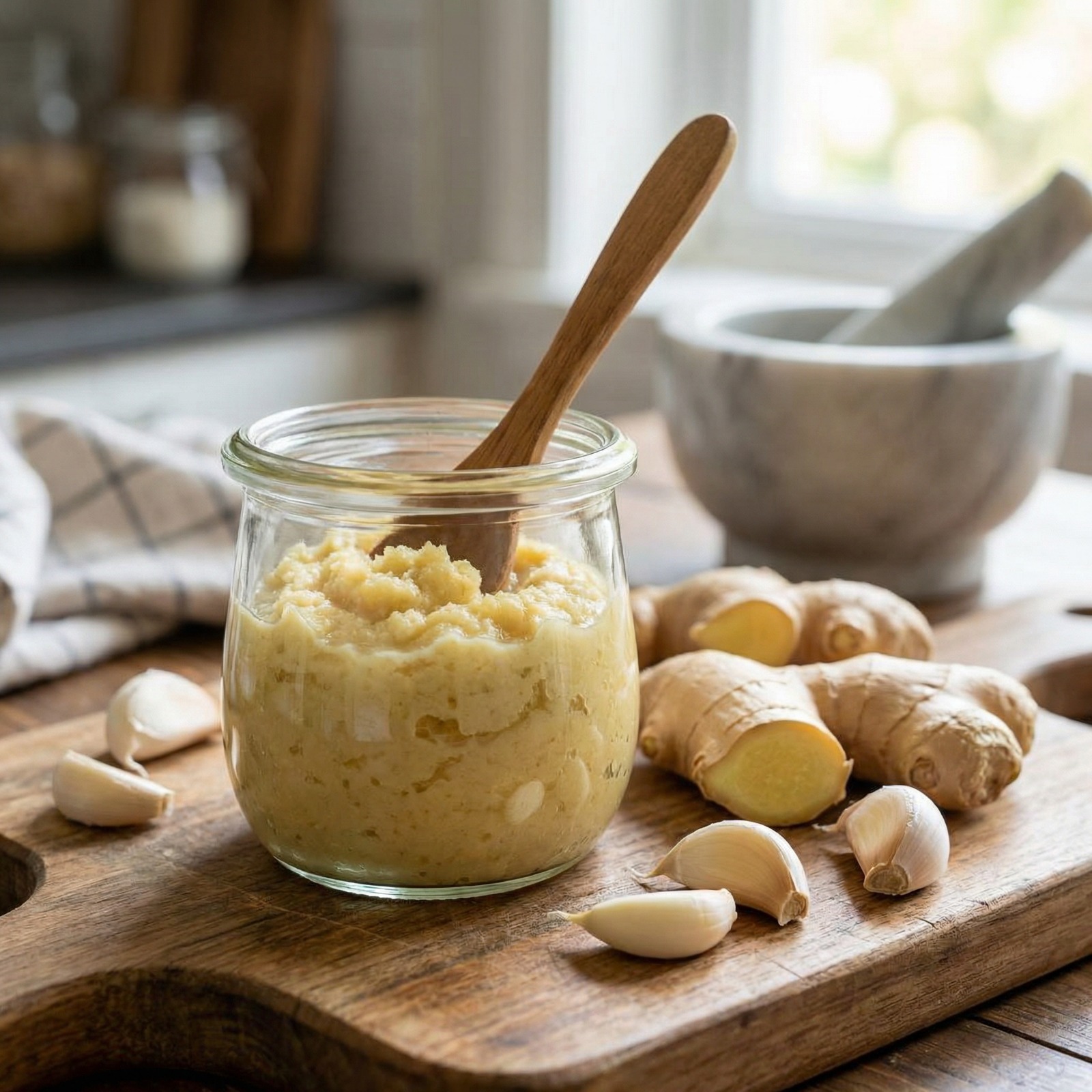
Ginger Garlic Paste

This is usually the most repetitive job during the week, so it makes sense to finish it first.

Prep time: 15 minutes
Grinding time: 3–4 minutes
Storage: 5–7 days in fridge

Ingredients:

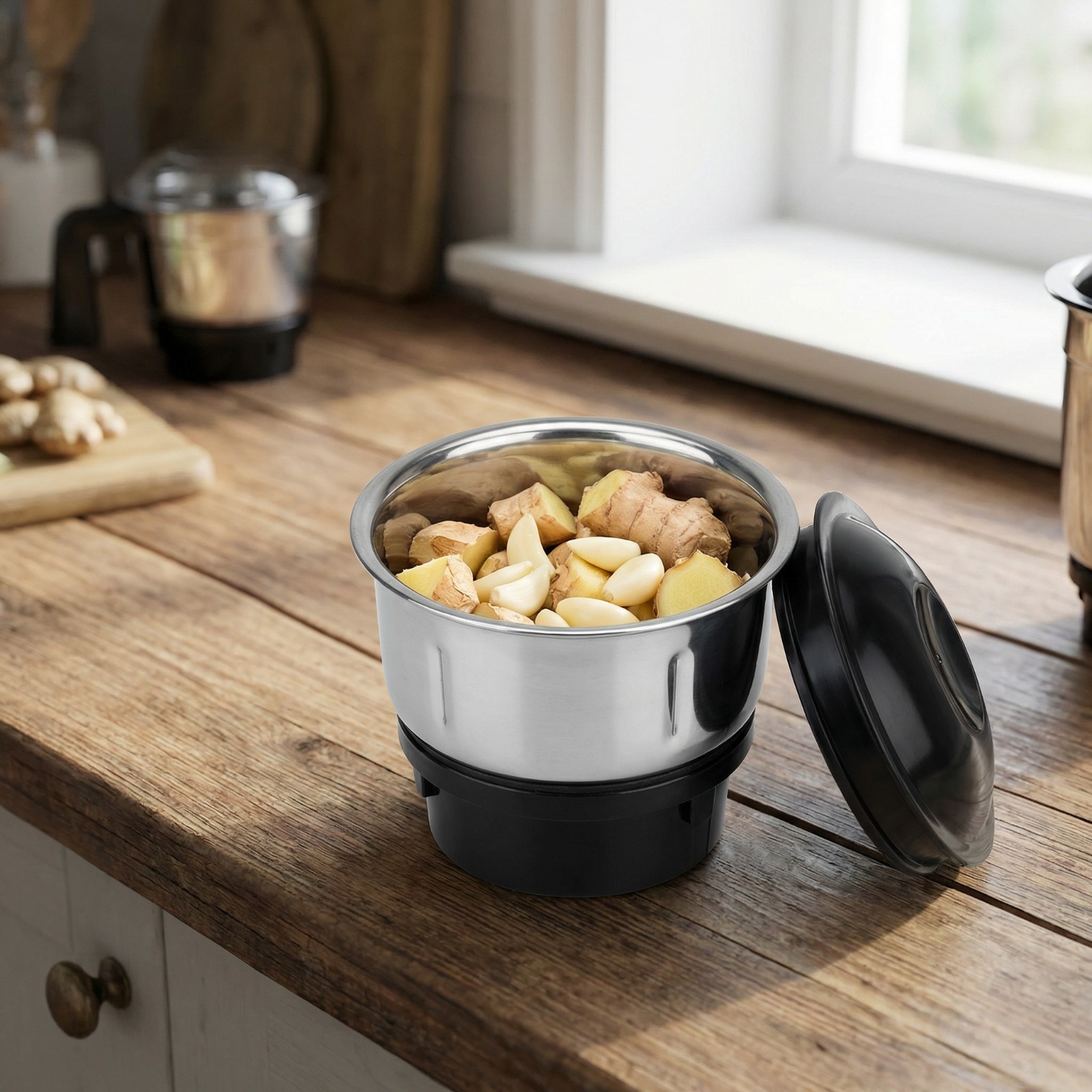
  • 1 cup garlic cloves
  • ½ cup chopped ginger
  • 2–3 tablespoons oil
  • Pinch of salt

How it’s usually done at home

Peeling garlic takes a bit of time, so that’s where most of your effort goes. Once that’s done, the rest is quick.

Add everything into the jar and grind to a smooth paste. You don’t need to add water. The moisture from ginger and garlic is usually enough.

A mixer like the Ultra Stealth Mixer Grinder handles this well because ginger can be slightly fibrous. You’ll notice the paste comes out smooth without needing too many attempts.

Store it in a glass container and keep it refrigerated.

Once this is ready, you’ve already cut down a lot of daily effort.

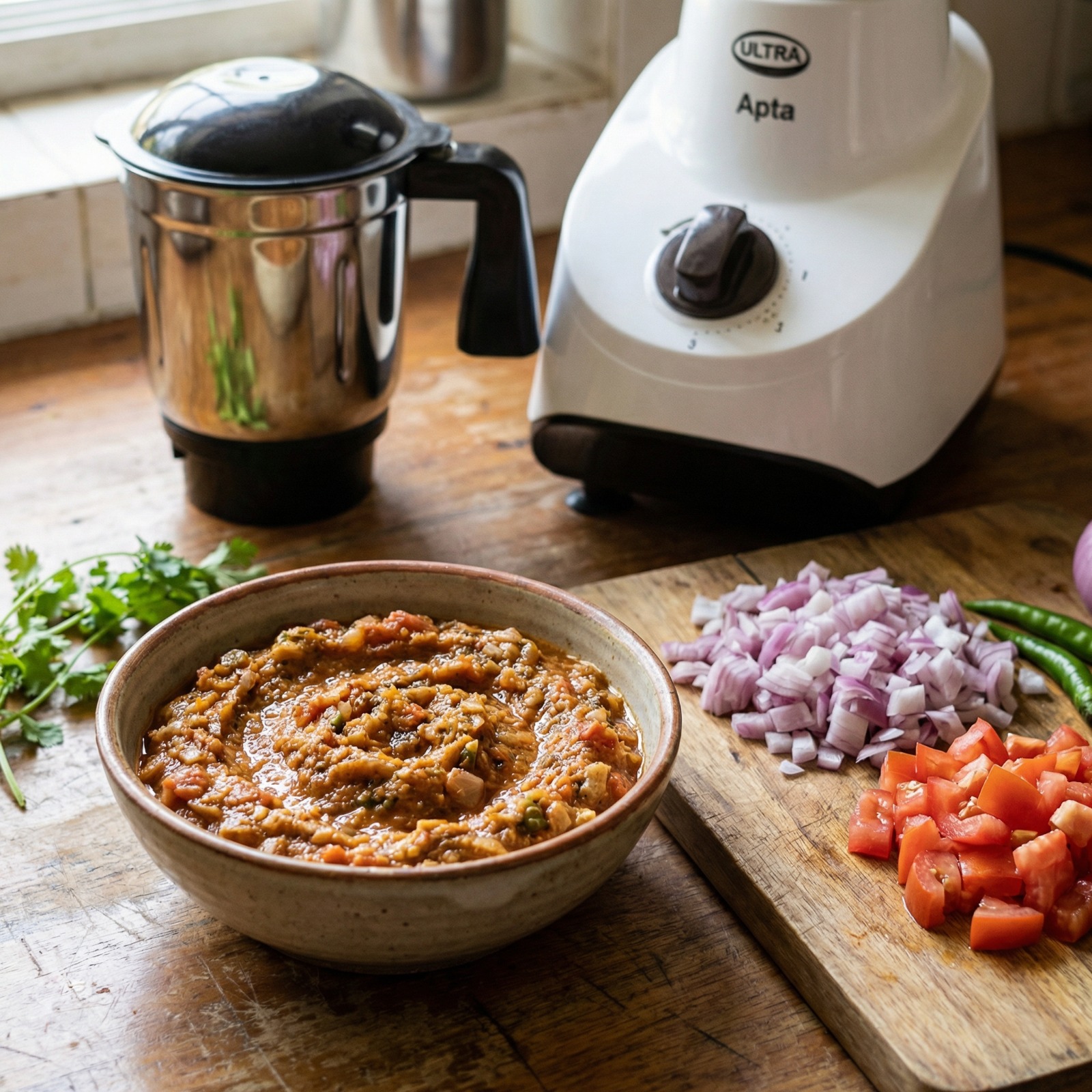
Tomato Base (Simple and Useful)

Tomato puree is something that goes into gravies, curries, and even some chutneys.

Prep time: 10 minutes
Grinding time: 2 minutes
Storage: 3–4 days

Ingredients:

  • 6–8 ripe tomatoes

Method

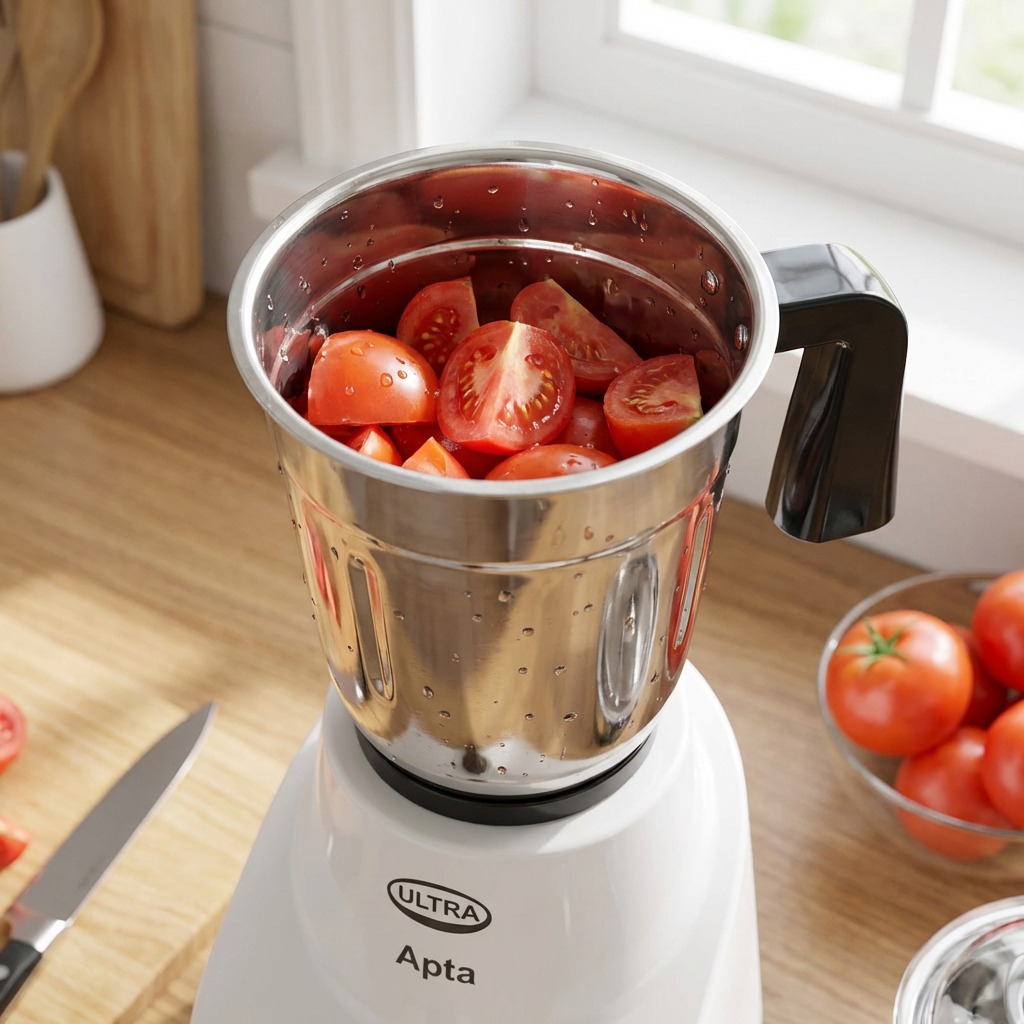
Just chop tomatoes into medium pieces and grind them directly.

You don’t need to blanch or peel unless you prefer a very smooth texture. For everyday cooking, this works perfectly fine.

If you want, you can lightly cook this puree for a few minutes before storing. It helps it last a little longer.

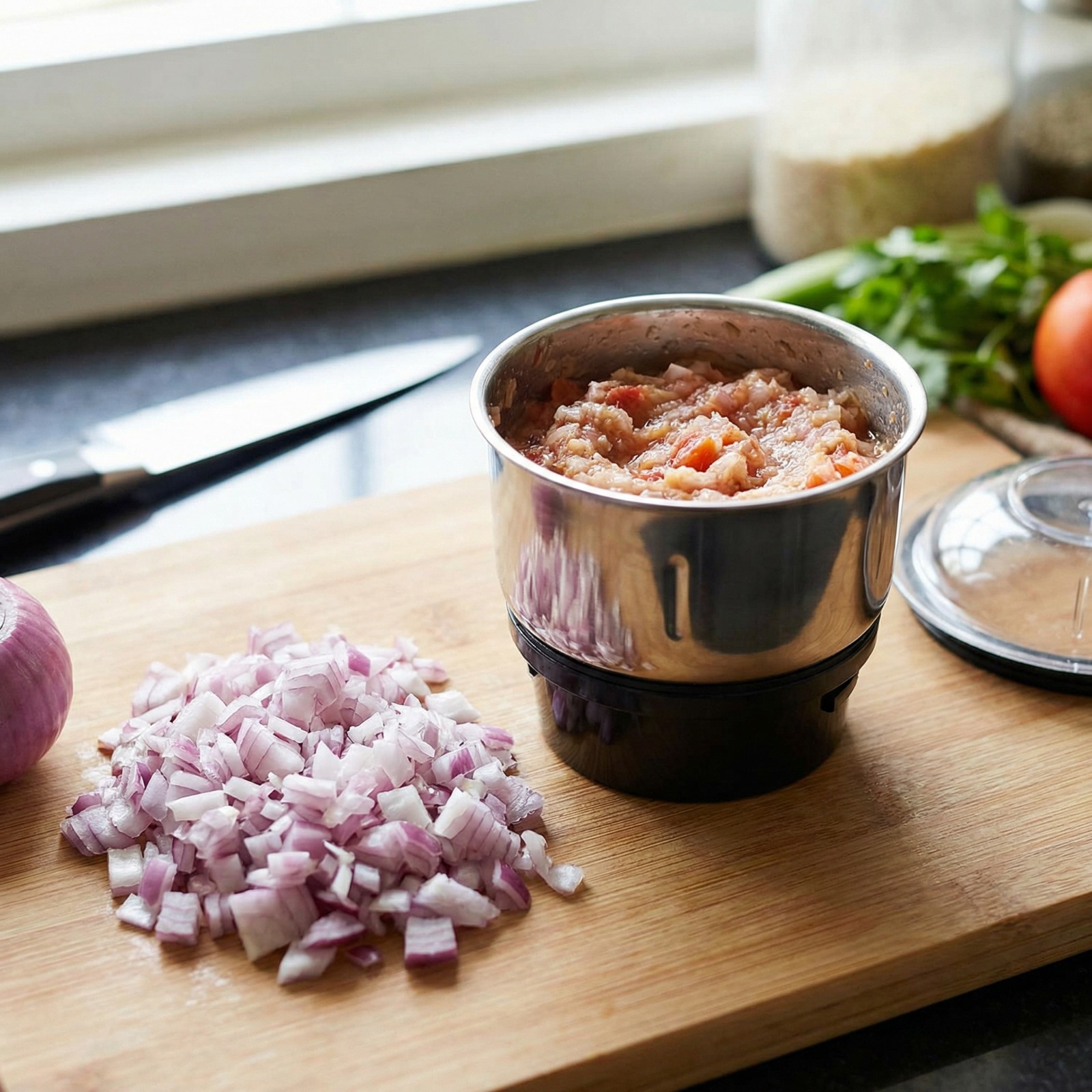
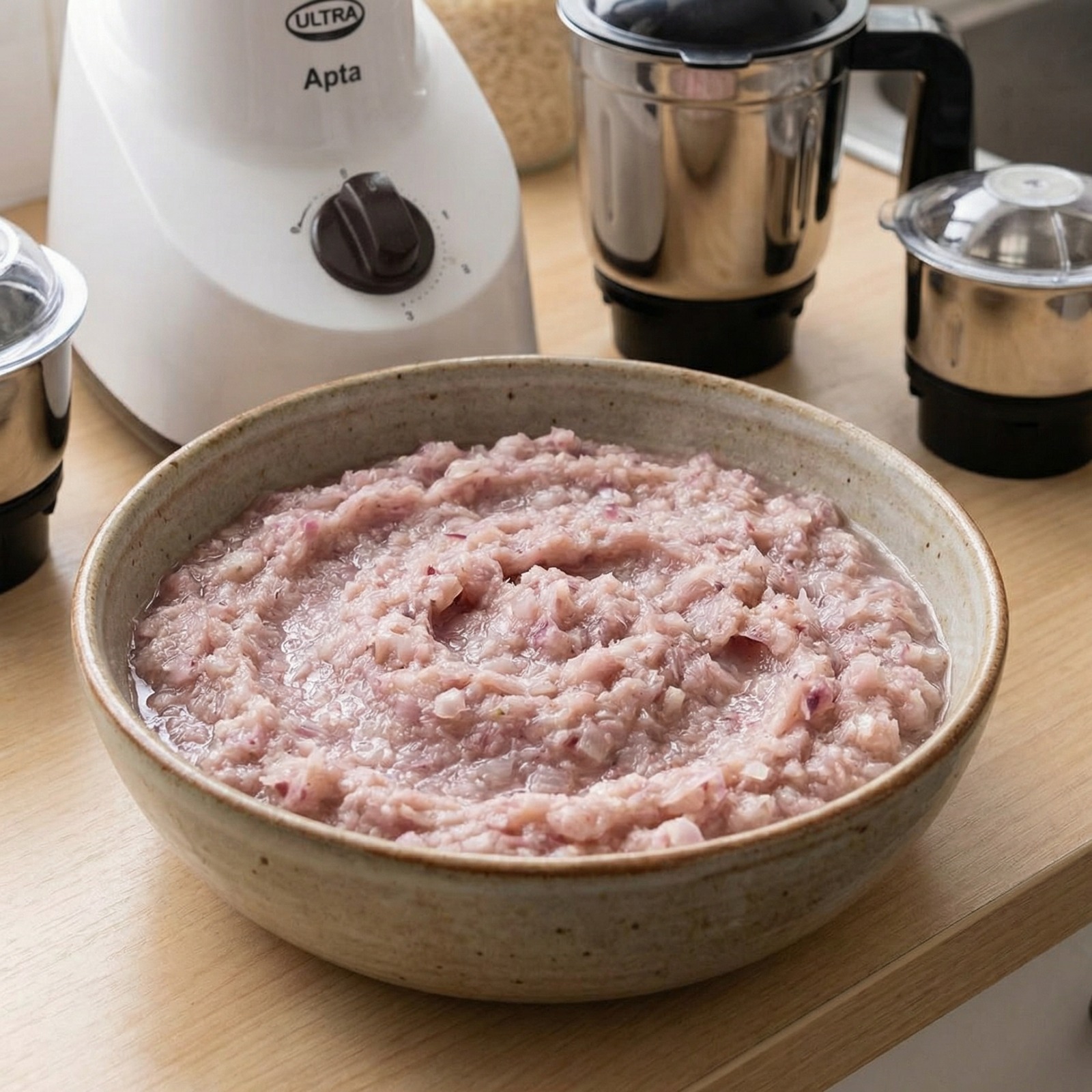
Onion Base (The Real Time Saver)

This is where you actually save the most time during the week.

Prep time: 20 minutes
Grinding time: 3–4 minutes
Storage: 3 days

Ingredients:

  • 4–5 onions
  • Optional: 1 tomato, small piece ginger

Method

Chop onions roughly and grind them into a slightly coarse paste.

Don’t make it too smooth. A little texture actually helps while cooking.

You can either:

  • Store it raw and cook when needed
    or
  • Lightly sauté it before storing

Most people prefer lightly cooking it once, so it reduces cooking time later.

How to Use These During the Week

Once these three are ready, cooking becomes more about assembling than preparing.

For example:

  • Making a quick curry → use onion base + tomato puree + ginger garlic paste
  • Making a masala → start directly with pre-made base
  • Quick sabzi → just add spices and vegetables

You’ll notice that half the work is already done before you even switch on the stove.

A Simple Way to Plan This 1 Hour

If you’re doing this for the first time, this order usually works well:

  1. Start with peeling garlic and chopping ginger
  2. Grind ginger garlic paste
  3. Move to tomatoes
  4. Finish with onions

This way, you use the mixer continuously without stopping too much.

Mixers like the Ultra Vario+ Mixer Grinder are useful here because they can handle multiple batches without overheating easily.

Storage Without Overthinking

You don’t need anything complicated.

  • Use glass or steel containers
  • Keep them airtight
  • Store in fridge

If you want to extend shelf life:

  • Add a little oil on top
  • Use dry spoons while taking out

That’s enough.

Small Things That Make a Difference

After doing this a few times, a few habits naturally help:

  • Don’t overload the jar, grind in batches
  • Use the smaller jar for better consistency
  • Clean the jar immediately after use
  • Label containers if you’re storing multiple bases

These are small things, but they make the whole process smoother.

Final Thoughts

This kind of prep doesn’t change what you cook. It just changes how you cook.

Instead of starting from scratch every day, you’re just finishing the dish. That’s a big difference, especially on busy mornings or late evenings.

A mixer grinder quietly becomes one of the most useful tools for this. Not for one big task, but for handling many small ones quickly.

If you’re looking for something that can manage daily grinding like this, you can explore the mixer grinder range here:
https://www.elgiultra.com/mixer-grinder

Once you get into this habit, you’ll notice cooking feels less rushed, and a lot more manageable through the week.

wet-grinder-bigg+T

Elgi Ultra Grinder

Ultra is the pioneer in compact table top wet grinders and innovator of the patented conical stones. The patented conical stone design makes the batter smooth.

PATENTED CONICAL STONES

For effective grinding without high batter temperature rise

AISI 304 STAINLESS STEEL

Rust-resistant food-grade stainless steel drum for healthy food

ABS BODY

Lighter weight, longer life and great looks

150-WATT MOTOR

Powerful 150W motor for better grinding

2.5L WET GRINDER

Ideal for a family of 4

DIGITAL TIMER

Beep alert & auto switch-off at preset grinding time

MULTI UTILITY DRUM

Batter can be stored in the same drum after grinding

BATTER CLEANER

For easy cleaning of conical stones

Common Mixer Grinder Mistakes That Affect Grinding Results

Most people don’t think much about how they use a mixer grinder. You add ingredients, close the lid, press a button, and expect it to work perfectly every time.

But if you’ve ever ended up with a chutney that’s too coarse, a masala that refuses to grind fine, or a paste that turns watery, it usually comes down to small usage mistakes.

These are not big issues. In fact, most of them are habits we pick up without realising. Once corrected, the difference in grinding results is quite noticeable.

If you’re using a reliable appliance like the Ultra Stealth Mixer Grinder or the Ultra Vario+ Mixer Grinder, fixing these small mistakes can help you get much better consistency in everyday cooking.

You can explore the full range here:
https://www.elgiultra.com/mixer-grinder

Let’s go through some of the most common things that affect grinding results.

Using the Wrong Jar

This is probably the most common issue, and also the easiest to fix.

Most mixer grinders come with three jars:

  • Small jar
  • Medium jar
  • Large jar

Each one is designed for a specific type of grinding.

What usually goes wrong

People often use a large jar for small quantities. When you do this, the ingredients don’t circulate properly. They stick to the sides and the blade keeps spinning without actually grinding evenly.

What works better

  • Small jar → chutneys, spice powders, ginger garlic paste
  • Medium jar → wet grinding, masalas
  • Large jar → batters, juices

Overloading the Jar

It’s tempting to add everything at once, especially when you’re in a hurry. But overloading is one of the quickest ways to get uneven grinding.

What happens when the jar is overloaded

  • Ingredients don’t move freely
  • Blade gets restricted
  • Grinding becomes inconsistent

You might notice that the bottom gets over-ground while the top remains coarse.

Simple fix

Fill the jar only up to about 70–75% capacity. If you have more ingredients, grind in batches.

Mixers like the Ultra Topp Mixer Grinder are designed to handle regular kitchen loads, but even then, batch grinding gives better results.

Adding Too Much Water

Water is important, especially for chutneys and pastes. But the amount makes a big difference.

Common mistake

Adding a lot of water at the beginning itself.

This often leads to:

  • Watery chutney
  • Diluted flavour
  • Difficulty in controlling consistency

Better approach

  • Start with very little water
  • Grind briefly
  • Add more only if needed

This way, you stay in control of the texture.

For example:

  • Coconut chutney → slightly thick
  • Mint chutney → smooth but not runny
  • Masala paste → thick and concentrated

Continuous Grinding Without Breaks

Running the mixer continuously for long durations might seem efficient, but it actually affects both texture and flavour.

What happens

  • Heat builds up inside the jar
  • Ingredients lose freshness
  • Pastes can turn slightly bitter

This is especially noticeable with coconut chutney or spice pastes.

What to do instead

Use short bursts or pulse mode:

  • Run for 20–30 seconds
  • Pause for a few seconds
  • Repeat

Many modern mixers, including the Ultra Vario+ Mixer Grinder, are designed to maintain consistent speed, but even then, short grinding cycles work better.

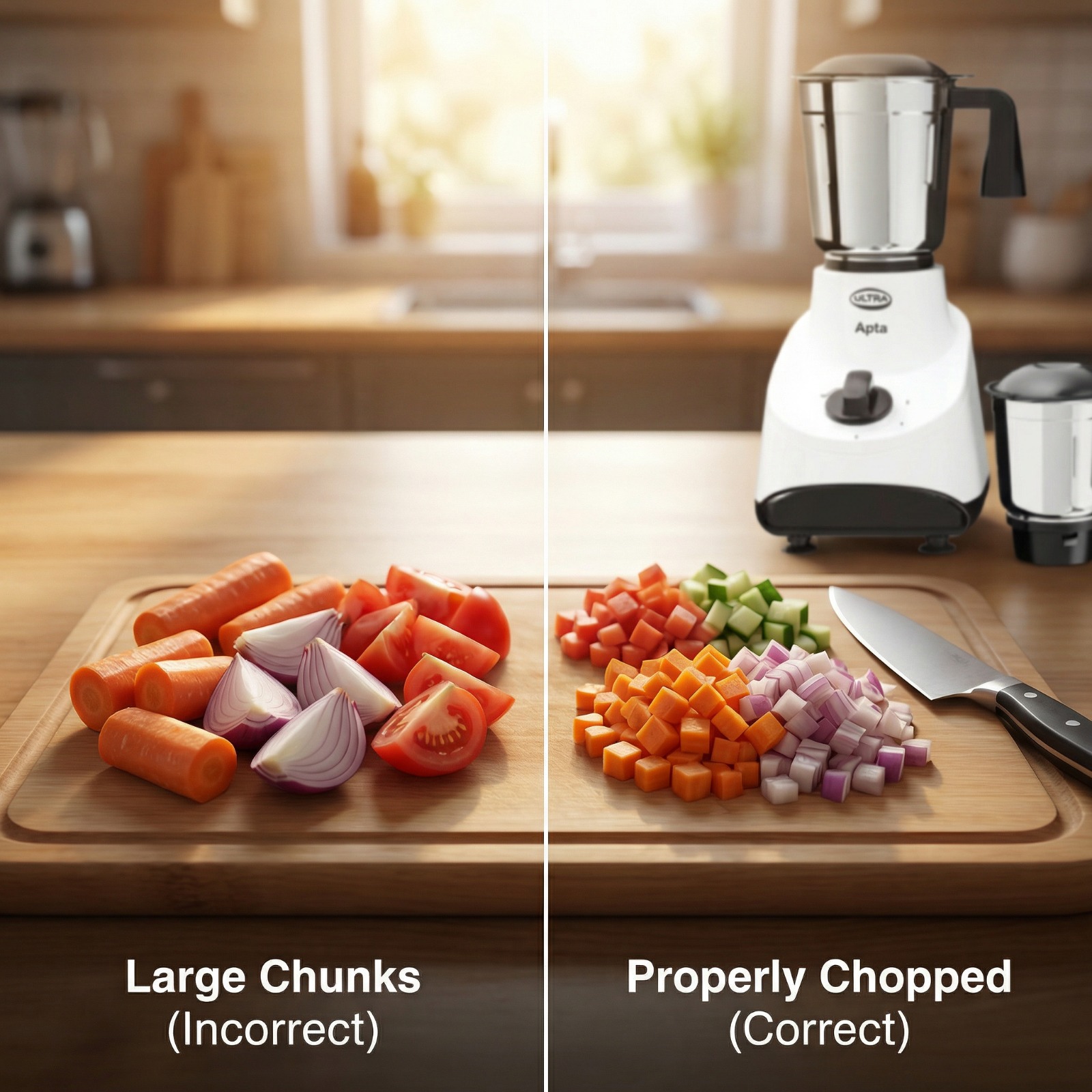
Not Cutting Ingredients Properly

This is a small step, but it has a big impact.

What people usually do

Add large chunks directly into the jar.

What happens

  • Uneven grinding
  • More strain on the motor
  • Longer grinding time

Better habit

  • Chop vegetables into smaller pieces
  • Break coconut into smaller chunks
  • Slice ginger before grinding

This helps the blade catch ingredients easily and improves consistency.

Ignoring Dry vs Wet Grinding

Not all jars are meant for everything.

Common mistake

Using the same jar for both dry spices and wet chutneys without understanding the difference.

Why it matters

  • Dry grinding needs a tight circulation of ingredients
  • Wet grinding needs space for movement

If you mix this up, results can vary.

Simple solution

Use:

  • Dry jar → spice powders
  • Wet jar → chutneys and masalas

If your mixer comes with multiple jars, use them accordingly. This also helps maintain flavour separation.

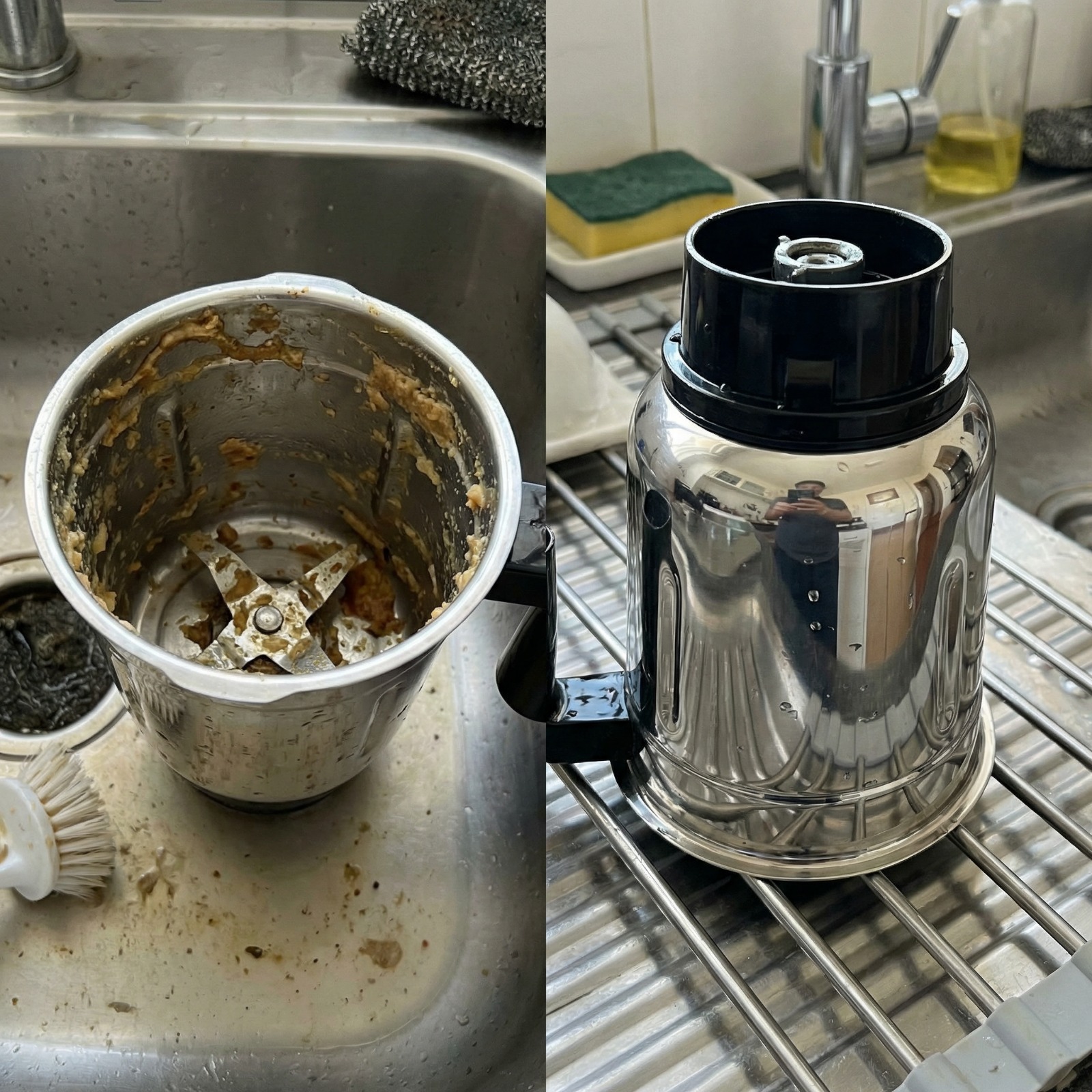
Not Cleaning Immediately

This might not seem related to grinding, but it actually affects performance over time.

What happens if you delay cleaning

  • Residue sticks to blades
  • Odours build up
  • Grinding efficiency reduces

Quick fix

Right after use:

  • Add water and a drop of soap
  • Run for a few seconds
  • Rinse

It takes less than a minute and keeps the jar ready for the next use.

Expecting One Texture for Everything

Different recipes need different textures.

Sometimes the issue is not the mixer, but the expectation.

Examples

  • Chutney → slightly coarse can taste better
  • Masala paste → smooth
  • Spice powder → fine or slightly coarse depending on use

Trying to grind everything to a very fine texture may not always give the best result.

Final Thoughts

A mixer grinder is one of the most used appliances in the kitchen, but it’s also one that people rarely think about in detail.

Most grinding issues are not because of the appliance itself, but because of small everyday habits. Once you start noticing these things, the difference is immediate.

Using the right jar, controlling water, grinding in short bursts, and not overloading the jar are simple changes, but they improve results a lot.

Appliances like the Ultra Stealth Mixer Grinder are built for consistent everyday use, but getting the best results still depends on how you use them.

You can explore the full mixer grinder range here:
https://www.elgiultra.com/mixer-grinder

Over time, these small corrections make cooking smoother, faster, and a lot more predictable.

Elgi Ultra Mixer Grinders

The Ultra range of mixer grinders are designed to provide healthy and nutritious food at the right texture and consistency

FITTED WITH METAL COUPLERS

Lasts a lifetime compared to ordinary rubber couplers

AISI 304 FOOD-GRADE STAINLESS STEEL

Rust-resistant food-grade stainless steel jars

STAINLESS STEEL METAL BODY

Sturdy, reliable and long lasting

SLOW JUICING FUNCTION

For thick, nutritious juice without crushed seeds

CHOPPER / KNEADER ATTACHMENTS

Tasks like chopping vegetables and kneading dough are made easier using extra smart attachments

ELECTRONIC SPEED SENSOR

Automatically corrects speed fluctuations and maintains the specified grinding speed to get the right texture & taste
Kitchen Time-Saving Hacks Using a Mixer Grinder

There are days when cooking feels relaxed and enjoyable. And then there are those rushed mornings where everything has to happen quickly. In most homes, especially on weekdays, speed matters just as much as taste.

Over time, one thing becomes very clear. A mixer grinder is not just for chutneys. If used properly, it can quietly take over a lot of small kitchen tasks that usually eat up time.

Instead of chopping, grinding, pounding everything separately, you can get multiple things done in minutes. Once you start using it this way, cooking feels a lot lighter.

If you’re using something like the Ultra Stealth Mixer Grinder, which is built for everyday use, these small hacks become even easier because of the consistent grinding and sturdy jars.

You can check the full range here:
https://www.elgiultra.com/mixer-grinder

Let’s go through a few things that actually make a difference in daily cooking.

Quick Tomato Puree Without the Extra Steps

Tomato puree is something that comes up in many dishes. Usually, people blanch tomatoes, peel them, and then grind. On a busy day, that whole process feels like too much.

A simpler way is to just roughly chop tomatoes and grind them directly.

Prep time: 5 minutes
Grinding time: 1–2 minutes
Serves: Enough for 3–4 dishes

How it works in real life

  • Chop tomatoes into medium pieces
  • Add directly into the mixer jar
  • Run for a minute until smooth

If you want a slightly smoother texture, you can strain it. Otherwise, it works perfectly as is for gravies.

Ginger Garlic Paste in One Go (Store for the Week)

This is probably one of the biggest time savers if you cook regularly.

Instead of peeling ginger and garlic every day, you can prepare a batch once and store it.

Prep time: 15 minutes
Grinding time: 3 minutes
Shelf life: 1 week in fridge

Ingredients

  • 1 cup garlic cloves
  • ½ cup chopped ginger
  • 2–3 tablespoons oil
  • Little salt

Method

Peel the garlic and roughly chop the ginger. Add everything into the jar and grind into a smooth paste.

Adding a little oil helps the paste stay fresh longer and also improves grinding.

Once done, store it in a clean glass container and refrigerate.

Using a powerful mixer like the Ultra Stealth Mixer Grinder makes this easier because ginger can sometimes be fibrous. A good blade handles it without leaving chunks.

After doing this once, you won’t feel like making ginger garlic paste every single day again.

Instant Chutneys in Under 5 Minutes

Chutney is something that people often skip when in a hurry. But with the right approach, it barely takes a few minutes.

The key is not overcomplicating it.

Prep time: 3 minutes
Grinding time: 2 minutes
Serves: 3–4

Quick coconut chutney idea

  • Fresh coconut
  • Green chilli
  • Roasted chana dal
  • Salt
  • Little water

Just add everything into a small jar and grind.

What helps here is using the right jar size. A smaller jar allows ingredients to move properly around the blade, so you get even grinding without stopping repeatedly.

You don’t always need to grind everything to a very smooth paste. Slightly coarse chutney actually tastes better with dosa or idli.

Dry Spice Powders in Minutes

There are times when you run out of sambar powder or need a small batch of garam masala.

Instead of making a big quantity, you can quickly grind just enough for a few days.

Prep time: 5 minutes
Roasting time: 5–7 minutes
Grinding time: 2 minutes

Simple approach

  • Lightly roast spices
  • Let them cool
  • Grind in short pulses

That’s it.

The important part is letting the spices cool down before grinding. If they are hot, moisture can build inside the jar and affect the texture.

A sturdy dry grinding jar, like the ones that come with the Ultra Stealth Mixer Grinder, helps in getting a fine powder without multiple attempts.

Onion and Masala Base in Advance

This is something many people don’t think of, but it saves a lot of time during dinner prep.

You can grind onion, tomato, ginger, garlic together and keep it ready.

Prep time: 10 minutes
Grinding time: 2–3 minutes
Usage: Base for gravies

How to do it

  • Roughly chop onions and tomatoes
  • Add ginger and garlic
  • Grind into a slightly coarse paste

You can store this in the fridge for 2–3 days.

When cooking, just take a portion, sauté it, and your base is ready. No need to chop everything fresh every time.

Batter for Quick Breakfasts

While a wet grinder is ideal for large batter preparation, a mixer grinder works well when you need small quantities.

For example, quick dosa batter for 2–3 people.

Prep time: Soaking 4–5 hours
Grinding time: 5–7 minutes

This is useful when you don’t want to prepare a large batch but still want something fresh.

Cleaning Trick That Saves Time Later

One small habit that actually saves time is cleaning the jar immediately after use.

Instead of scrubbing later:

  • Add a little water and one drop of soap
  • Run the mixer for a few seconds
  • Rinse

That’s all.

This prevents buildup and keeps the jar ready for the next use.

Final Thoughts

Most kitchen time is not spent on cooking itself. It goes into preparation. Peeling, chopping, grinding, and repeating the same steps every day.

Once you start using a mixer grinder for batch prep and quick tasks, you notice the difference immediately. Cooking becomes less rushed, and you don’t feel like you are starting from scratch every time.

Appliances like the Ultra Stealth Mixer Grinder are designed exactly for this kind of everyday usage. Not for one big task, but for multiple small ones that add up through the day.

You can explore the full range here:
https://www.elgiultra.com/mixer-grinder

Over time, these small changes in the kitchen routine make cooking feel much more manageable, even on the busiest days.

Elgi Ultra Mixer Grinders

The Ultra range of mixer grinders are designed to provide healthy and nutritious food at the right texture and consistency

FITTED WITH METAL COUPLERS

Lasts a lifetime compared to ordinary rubber couplers

AISI 304 FOOD-GRADE STAINLESS STEEL

Rust-resistant food-grade stainless steel jars

STAINLESS STEEL METAL BODY

Sturdy, reliable and long lasting

SLOW JUICING FUNCTION

For thick, nutritious juice without crushed seeds

CHOPPER / KNEADER ATTACHMENTS

Tasks like chopping vegetables and kneading dough are made easier using extra smart attachments

ELECTRONIC SPEED SENSOR

Automatically corrects speed fluctuations and maintains the specified grinding speed to get the right texture & taste
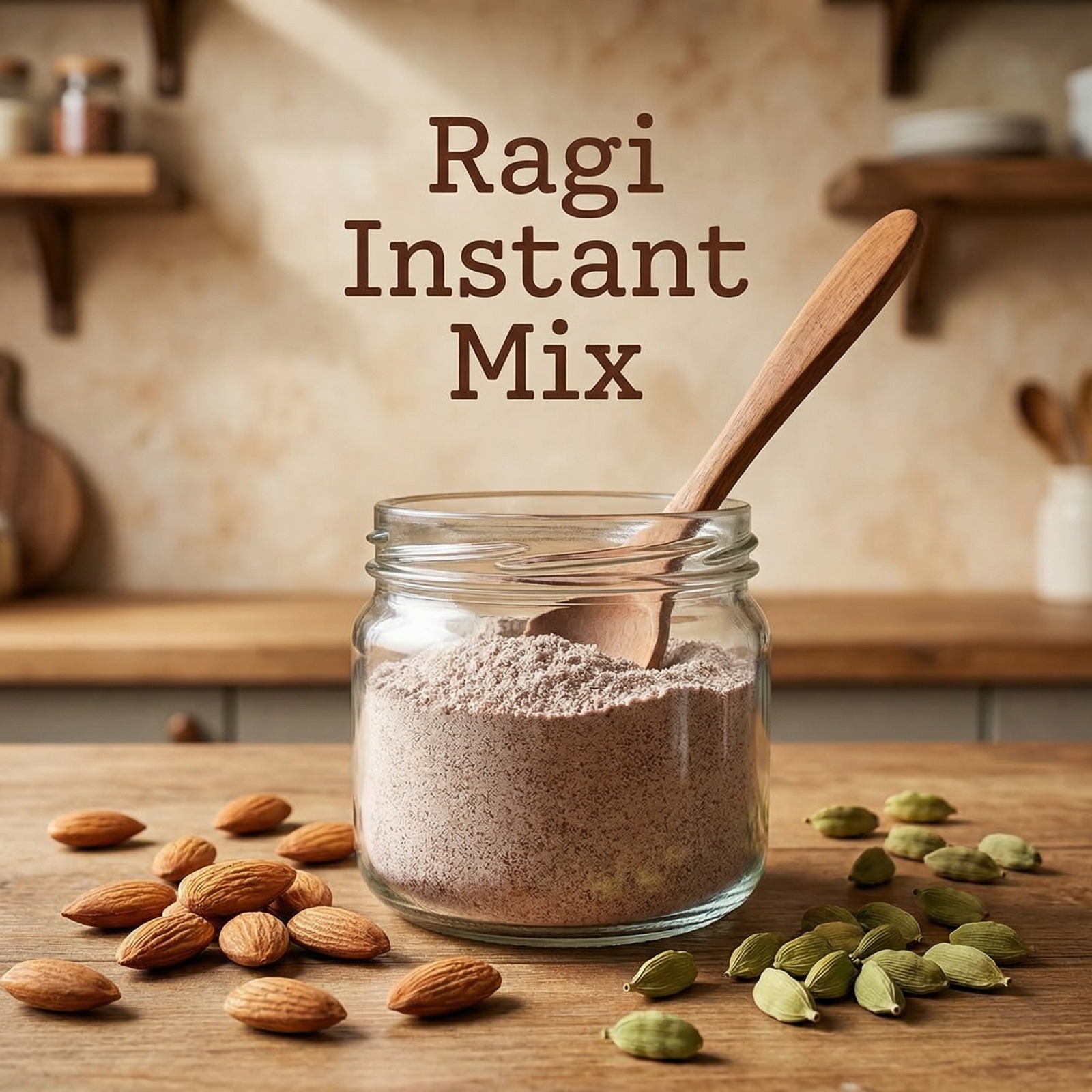
How to Prepare Homemade Spice Powders Using a Mixer Grinder

In many homes, the smell of freshly ground spices is something people instantly recognise. It usually means something good is cooking. While ready-made masala powders are convenient, they don’t always give that same depth of flavour.

When spices are ground fresh, even in small quantities, the difference shows up immediately in the dish. The aroma is stronger, the taste feels fuller, and you also have the freedom to adjust spice levels to your liking.

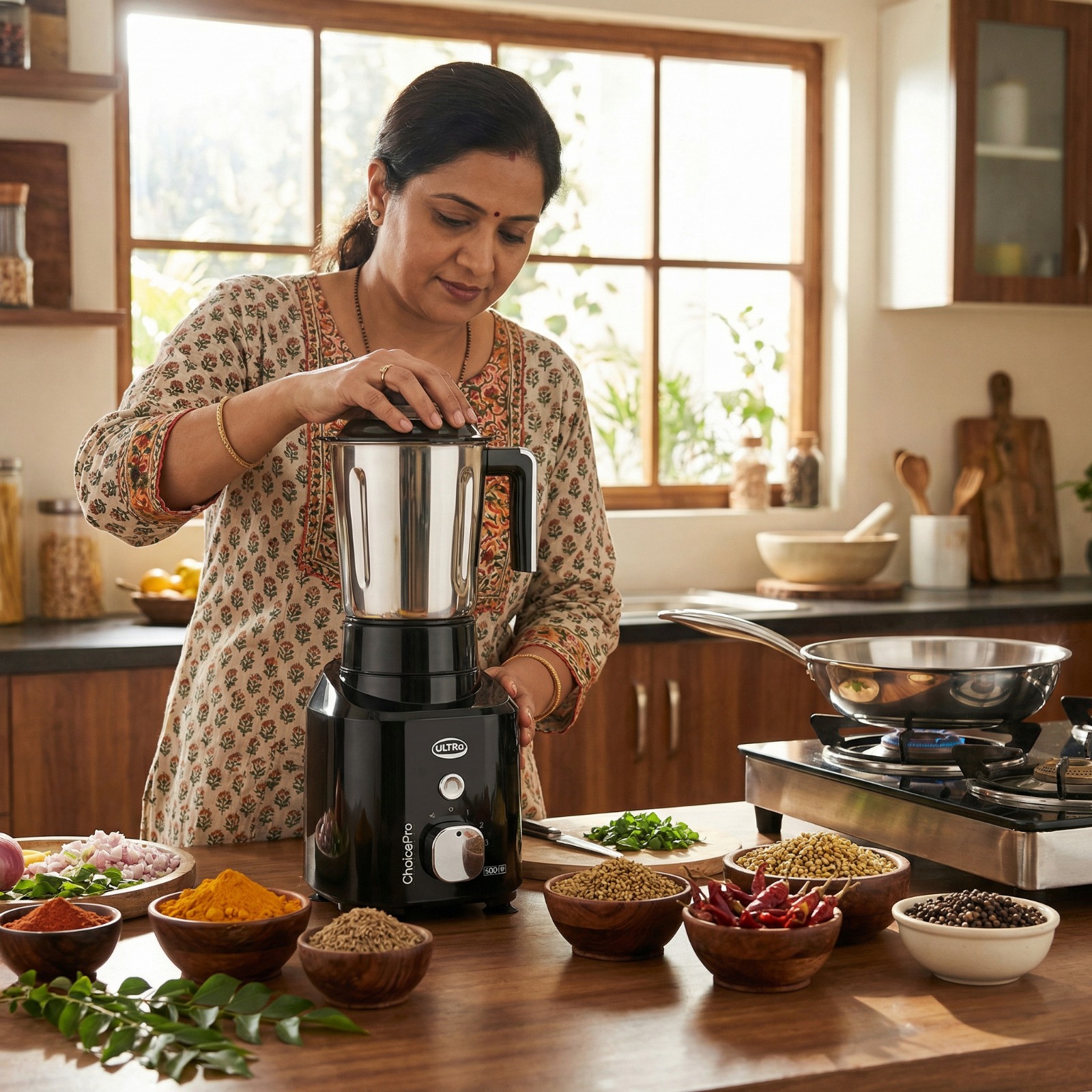
The good part is, you don’t need any elaborate setup to do this. A regular mixer grinder at home is more than enough. Something like the Ultra Stealth Mixer Grinder or the Ultra Vario+ Mixer Grinder handles dry grinding comfortably, even for slightly harder spices.

You can explore the full mixer grinder range here:
https://www.elgiultra.com/mixer-grinder

Before getting into recipes, there’s one small habit that makes a big difference. Always roast your spices lightly and let them cool completely before grinding. It takes a few extra minutes, but the flavour improves noticeably.

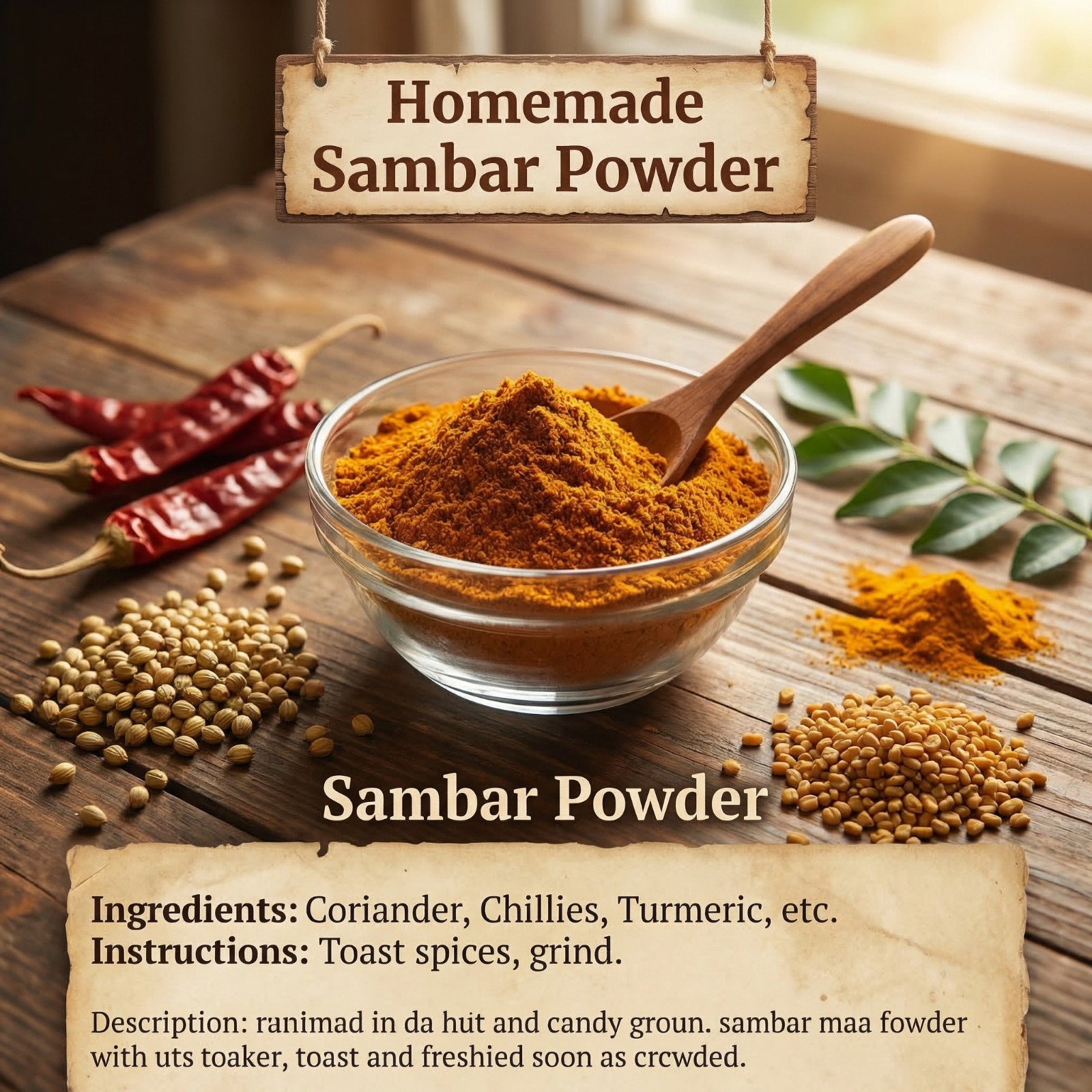
Sambar Powder

Sambar powder is something that usually sits in the kitchen all the time. Most people make a batch that lasts a few weeks.

Prep time: 10 minutes
Roasting time: 10 minutes
Grinding time: 3 minutes
Makes: Around 1 cup

Ingredients

  • ½ cup coriander seeds
  • 2 tablespoons chana dal
  • 1 tablespoon toor dal
  • 8–10 dried red chillies
  • 1 teaspoon black pepper
  • ½ teaspoon fenugreek seeds
  • 1 teaspoon cumin seeds
  • Few curry leaves

Method

Start with a dry pan on low heat. Add coriander seeds first and roast until you get that warm aroma.

Add chana dal and toor dal next. Keep stirring so nothing burns. After a minute or so, add red chillies, pepper, fenugreek and cumin.

Curry leaves go in last. They crisp up quickly, so just a few seconds is enough.

Switch off the flame and spread everything on a plate. Let it cool fully.

Once cooled, transfer to the dry jar and grind to a fine powder. A sturdy dry jar helps break down coriander seeds evenly.

Recommended for this task

  • Ultra Stealth Mixer Grinder – works well for fine spice grinding in small to medium batches
  • Ultra Topp Mixer Grinder – suitable if you regularly prepare masalas in larger quantities

Rasam Powder

Rasam powder is usually made in smaller batches because it tastes best when fresh.

Prep time: 5 minutes
Roasting time: 6 minutes
Grinding time: 2 minutes
Makes: About ½ cup

Ingredients

  • 2 tablespoons coriander seeds
  • 1 tablespoon cumin seeds
  • 1 teaspoon black pepper
  • 4 dried red chillies
  • 2 tablespoons toor dal
  • Few curry leaves

Method

Roast coriander seeds and toor dal first.

Then add cumin, pepper and red chillies. Stir gently until aromatic.

Add curry leaves last and switch off the flame.

Cool completely before grinding.

For rasam powder, a slightly coarse texture works better. Use short pulses instead of continuous grinding.

Recommended for this task

  • Ultra Stealth Mixer Grinder – the smaller jar helps get even grinding without over-processing

Garam Masala

Every home has its own version of garam masala. The idea is the same, but small adjustments make it personal.

Prep time: 5 minutes
Roasting time: 5 minutes
Grinding time: 2 minutes
Makes: Around ¾ cup

Ingredients

  • 2 tablespoons coriander seeds
  • 1 tablespoon cumin seeds
  • 1 teaspoon black pepper
  • 4 cloves
  • 1 small cinnamon stick
  • 2 cardamom pods
  • 1 bay leaf

Method

Roast coriander, cumin and pepper first.

Add cloves, cinnamon, cardamom and bay leaf. Stir gently.

Let everything cool completely before grinding.

Grind into a smooth powder.

Hard spices like cinnamon need a bit more power to grind evenly.

Recommended for this task

  • Ultra Vario+ Mixer Grinder – handles tougher whole spices like cloves and cinnamon more efficiently

Curry Powder

Curry powder is more flexible and can be adjusted depending on your cooking style.

Prep time: 8 minutes
Roasting time: 8 minutes
Grinding time: 3 minutes
Makes: About 1 cup

Ingredients

  • 3 tablespoons coriander seeds
  • 1 tablespoon cumin seeds
  • 1 tablespoon fennel seeds
  • 6 dried red chillies
  • 1 teaspoon black pepper
  • 1 tablespoon chana dal
  • 1 teaspoon turmeric powder

Method

Roast coriander seeds and chana dal first.

Add cumin, fennel and pepper next.

Add red chillies last and roast everything briefly.

Cool completely and grind into a fine powder.

Mix turmeric powder after grinding.

Recommended for this task

  • Ultra Topp Mixer Grinder – useful when grinding slightly larger batches
  • Ultra Stealth Mixer Grinder – good for everyday small batch grinding

A Few Small Things That Help

After doing this a few times, you start noticing small habits that make things easier:

  • Always cool spices before grinding
  • Grind in short pulses instead of running continuously
  • Use smaller jars for better consistency
  • Make smaller batches instead of storing for too long

Also, if you regularly prepare both chutneys and spice powders, having a mixer with multiple jars helps avoid mixing flavours.

Final Thoughts

Making spice powders at home is not really about effort. It’s more about getting used to doing it. Once you start, it becomes a quick routine.

The difference in flavour is quite noticeable, even in simple dishes. A fresh rasam or curry always tastes better with freshly ground masala.

With a reliable mixer grinder, the process becomes easy enough to fit into everyday cooking.

If you want to explore suitable options, you can check the full range here:
https://www.elgiultra.com/mixer-grinder

Over time, these small changes quietly improve the way food tastes at home.

Elgi Ultra Mixer Grinders

The Ultra range of mixer grinders are designed to provide healthy and nutritious food at the right texture and consistency

FITTED WITH METAL COUPLERS

Lasts a lifetime compared to ordinary rubber couplers

AISI 304 FOOD-GRADE STAINLESS STEEL

Rust-resistant food-grade stainless steel jars

STAINLESS STEEL METAL BODY

Sturdy, reliable and long lasting

SLOW JUICING FUNCTION

For thick, nutritious juice without crushed seeds

CHOPPER / KNEADER ATTACHMENTS

Tasks like chopping vegetables and kneading dough are made easier using extra smart attachments

ELECTRONIC SPEED SENSOR

Automatically corrects speed fluctuations and maintains the specified grinding speed to get the right texture & taste
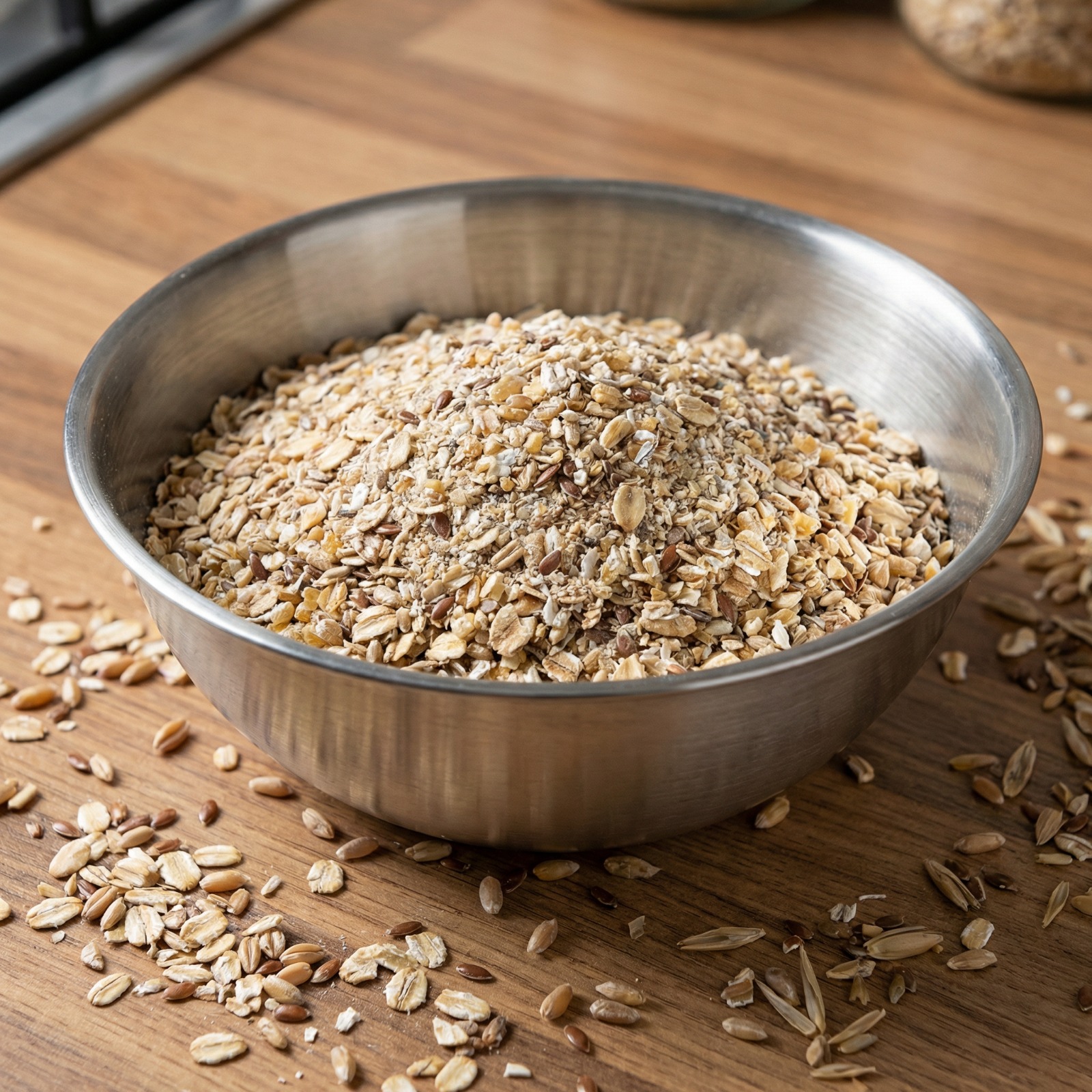
How to Prepare Homemade Spice Powders Using a Mixer Grinder

If you walk into most traditional Indian kitchens, one thing you will almost always notice is the aroma of freshly ground spices. For many households, spice powders are not something bought from a store every week. They are prepared at home in small batches so that the flavour remains fresh.

Homemade masala powders have a depth of aroma that ready-made packets often cannot match. The oils inside spices begin to fade slowly once they are ground, which is why many people prefer making their own blends whenever possible.

Thankfully, this is not a difficult process anymore. With a good mixer grinder at home, grinding spices becomes a quick job. Modern appliances like the Ultra Stealth Mixer Grinder or the Ultra Vario+ Mixer Grinder are designed with strong motors and durable jars that can handle dry grinding efficiently.

You can explore the full mixer grinder collection here:
https://www.elgiultra.com/mixer-grinder

Before getting into the recipes, there are a couple of small practices that help when grinding spices at home.

First, always dry roast the spices lightly. This removes moisture and enhances the natural aroma. Second, allow the spices to cool completely before grinding. Grinding hot spices can sometimes create moisture inside the jar and affect texture.

Once these two small steps are followed, the rest is quite straightforward.

Sambar Powder

Sambar powder is something most South Indian kitchens keep ready at all times. A fresh batch can last several weeks when stored properly.

Prep time: 10 minutes
Roasting time: 10 minutes
Grinding time: 3 minutes
Serves: Makes roughly 1 cup of powder

Ingredients

  • ½ cup coriander seeds
  • 2 tablespoons chana dal
  • 1 tablespoon toor dal
  • 8–10 dried red chillies
  • 1 teaspoon black pepper
  • ½ teaspoon fenugreek seeds
  • 1 teaspoon cumin seeds
  • Few curry leaves

Method

Start by heating a pan on low flame. Add coriander seeds first and roast them gently until the aroma becomes noticeable.

Next add chana dal and toor dal. Stir continuously so they do not burn. After a minute, add the red chillies, pepper, fenugreek seeds and cumin.

Finally toss in a few curry leaves and roast everything together for another minute.

Spread the roasted spices on a plate and allow them to cool completely.

Once cooled, transfer them to the dry grinding jar of your mixer grinder. Grind until the mixture becomes a fine powder.

Many households prefer using strong dry grinding jars available with models like the Ultra Topp Mixer Grinder because the blades can break down roasted spices evenly.

Store the finished powder in an airtight container. This powder can be used directly while preparing sambar.

Rasam Powder

Rasam powder is usually made in smaller batches because the flavour is best when fresh.

Prep time: 5 minutes
Roasting time: 6 minutes
Grinding time: 2 minutes
Serves: About ½ cup powder

Ingredients

  • 2 tablespoons coriander seeds
  • 1 tablespoon cumin seeds
  • 1 teaspoon black pepper
  • 4 dried red chillies
  • 2 tablespoons toor dal
  • Few curry leaves

Method

Heat a pan and roast coriander seeds and toor dal together for about two minutes.

Add cumin seeds, pepper and dried red chillies. Roast everything gently until the spices release a strong aroma.

Add curry leaves last and roast for a few seconds.

Allow the mixture to cool before grinding.

Transfer to a small grinding jar and pulse grind until the texture becomes fine but slightly coarse.

A smaller jar usually works best for spice powders because the ingredients circulate better during grinding. Many people prefer using the compact jar that comes with the Ultra Stealth Mixer Grinder for this type of job.

Store in a glass container and use whenever rasam is prepared.

Garam Masala

Unlike South Indian spice blends, garam masala is used widely across North Indian cooking. It adds warmth and aroma to curries, gravies and pulao.

Prep time: 5 minutes
Roasting time: 5 minutes
Grinding time: 2 minutes
Serves: About ¾ cup powder

Ingredients

  • 2 tablespoons coriander seeds
  • 1 tablespoon cumin seeds
  • 1 teaspoon black pepper
  • 4 cloves
  • 1 small cinnamon stick
  • 2 cardamom pods
  • 1 bay leaf

Method

Place a pan on low flame and add coriander seeds, cumin seeds and pepper.

Roast them slowly until they start releasing aroma.

Next add cloves, cinnamon, cardamom and bay leaf. Stir gently for about a minute.

Remove everything from the pan and allow it to cool completely.

Grind the spices in a dry jar until they become a smooth powder.

The powerful motor in mixers like the Ultra Vario+ Mixer Grinder helps grind even harder spices such as cinnamon and cloves evenly.

Store the garam masala in an airtight container and use in small quantities while cooking curries.

Curry Powder

Curry powder is a versatile spice blend that can be used for vegetable dishes, gravies and even some rice preparations.

Prep time: 8 minutes
Roasting time: 8 minutes
Grinding time: 3 minutes
Serves: Makes around 1 cup

Ingredients

  • 3 tablespoons coriander seeds
  • 1 tablespoon cumin seeds
  • 1 tablespoon fennel seeds
  • 1 teaspoon turmeric powder
  • 6 dried red chillies
  • 1 teaspoon black pepper
  • 1 tablespoon chana dal

Method

Dry roast coriander seeds and chana dal first for a couple of minutes.

Add cumin seeds, fennel seeds and pepper. Continue roasting gently.

Next add the dried red chillies and roast everything together for another minute.

Allow the mixture to cool before transferring it to the grinder.

Grind the spices until the powder becomes smooth. After grinding, mix turmeric powder into the blend.

Using a mixer grinder with a sturdy dry jar makes the process quick and efficient. The mixer grinder range from Elgi Ultra is commonly used in many households for grinding spice powders as well as chutneys and masalas.

You can explore the full range here:
https://www.elgiultra.com/mixer-grinder

A Small Tip for Storing Homemade Masalas

Once spice powders are ready, store them in airtight containers away from moisture. Glass jars work particularly well.

It is also better to make smaller batches rather than grinding large quantities at once. Fresh spice powders retain aroma longer and improve the flavour of everyday cooking.

Final Thoughts

Making spice powders at home might sound like extra work at first, but once you try it a couple of times, it becomes a simple routine. The process takes only a few minutes, and the difference in aroma is immediately noticeable when cooking.

With the help of a reliable mixer grinder, preparing fresh masalas for sambar, rasam or curries becomes quick and convenient. Over time, many cooks even start adjusting the spice ratios according to their own taste, which is something store-bought powders rarely allow.

Freshly ground spices, after all, are one of the small secrets behind the rich flavours found in 

Indian home cooking.

Elgi Ultra Mixer Grinders

The Ultra range of mixer grinders are designed to provide healthy and nutritious food at the right texture and consistency

FITTED WITH METAL COUPLERS

Lasts a lifetime compared to ordinary rubber couplers

AISI 304 FOOD-GRADE STAINLESS STEEL

Rust-resistant food-grade stainless steel jars

STAINLESS STEEL METAL BODY

Sturdy, reliable and long lasting

SLOW JUICING FUNCTION

For thick, nutritious juice without crushed seeds

CHOPPER / KNEADER ATTACHMENTS

Tasks like chopping vegetables and kneading dough are made easier using extra smart attachments

ELECTRONIC SPEED SENSOR

Automatically corrects speed fluctuations and maintains the specified grinding speed to get the right texture & taste
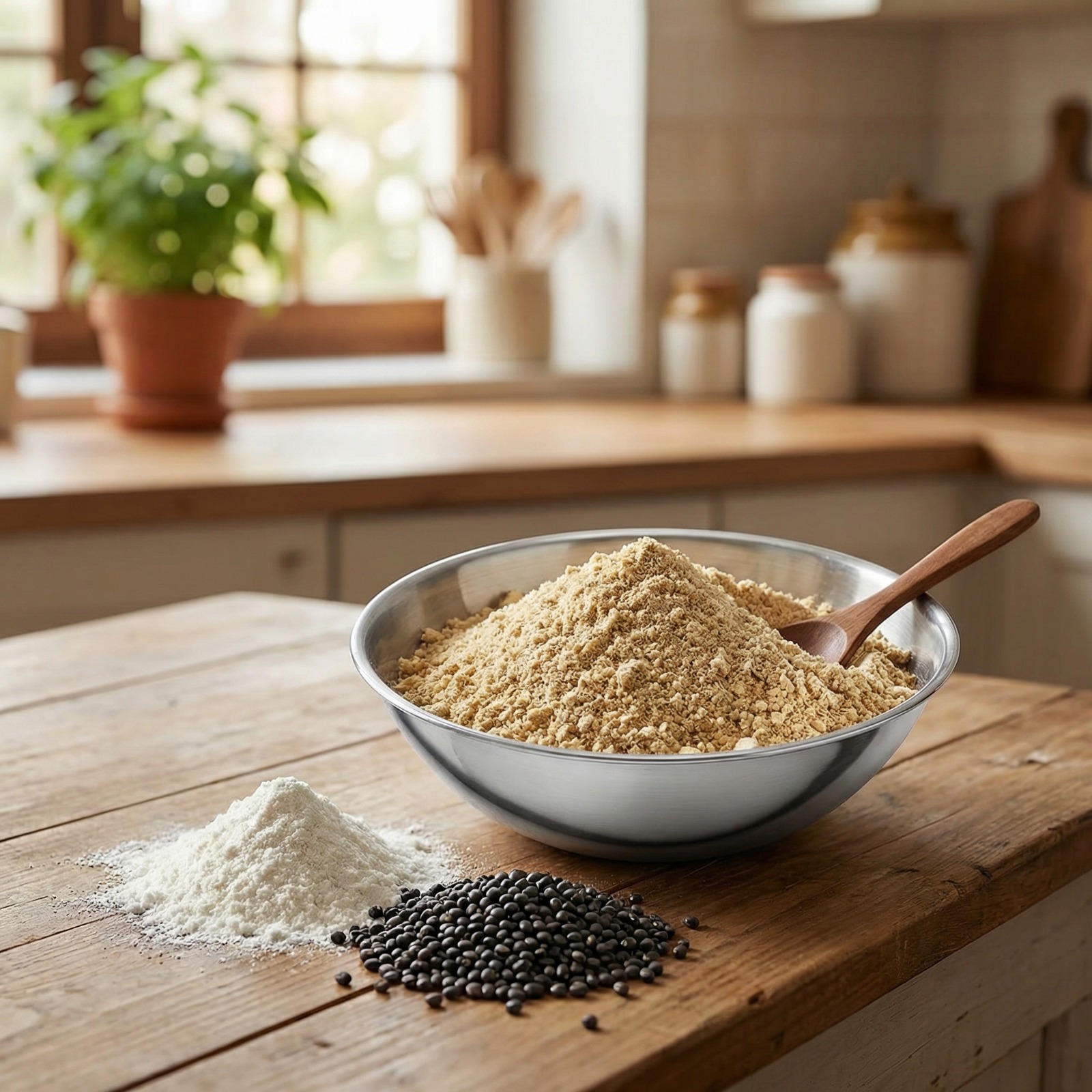
7 Nutritious Millet Batter Recipes You Can Make in a Wet Grinder

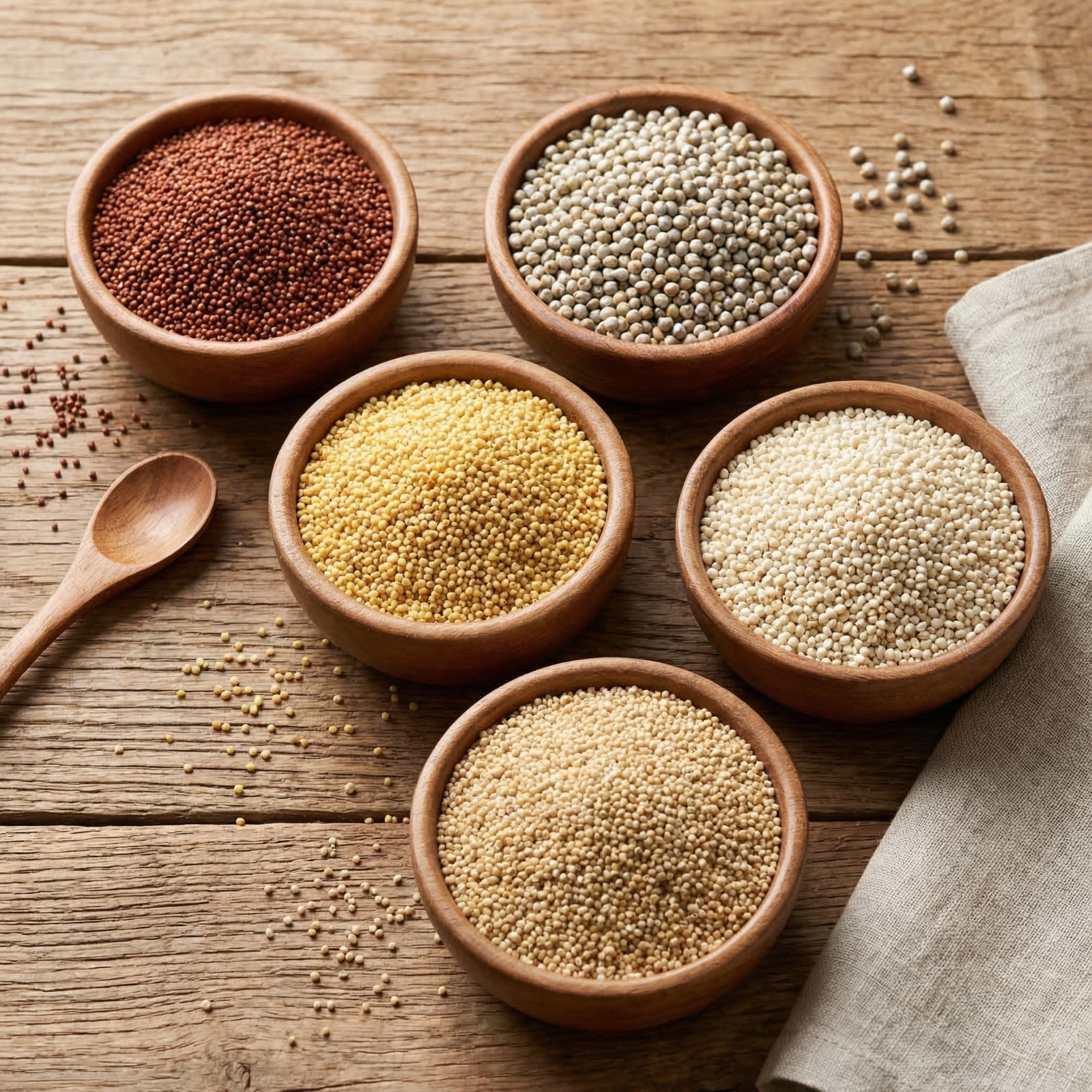
Over the past few years, millets have quietly returned to many Indian kitchens. For a long time they were considered traditional grains that older generations used regularly, but today people are rediscovering them for their nutrition and versatility.

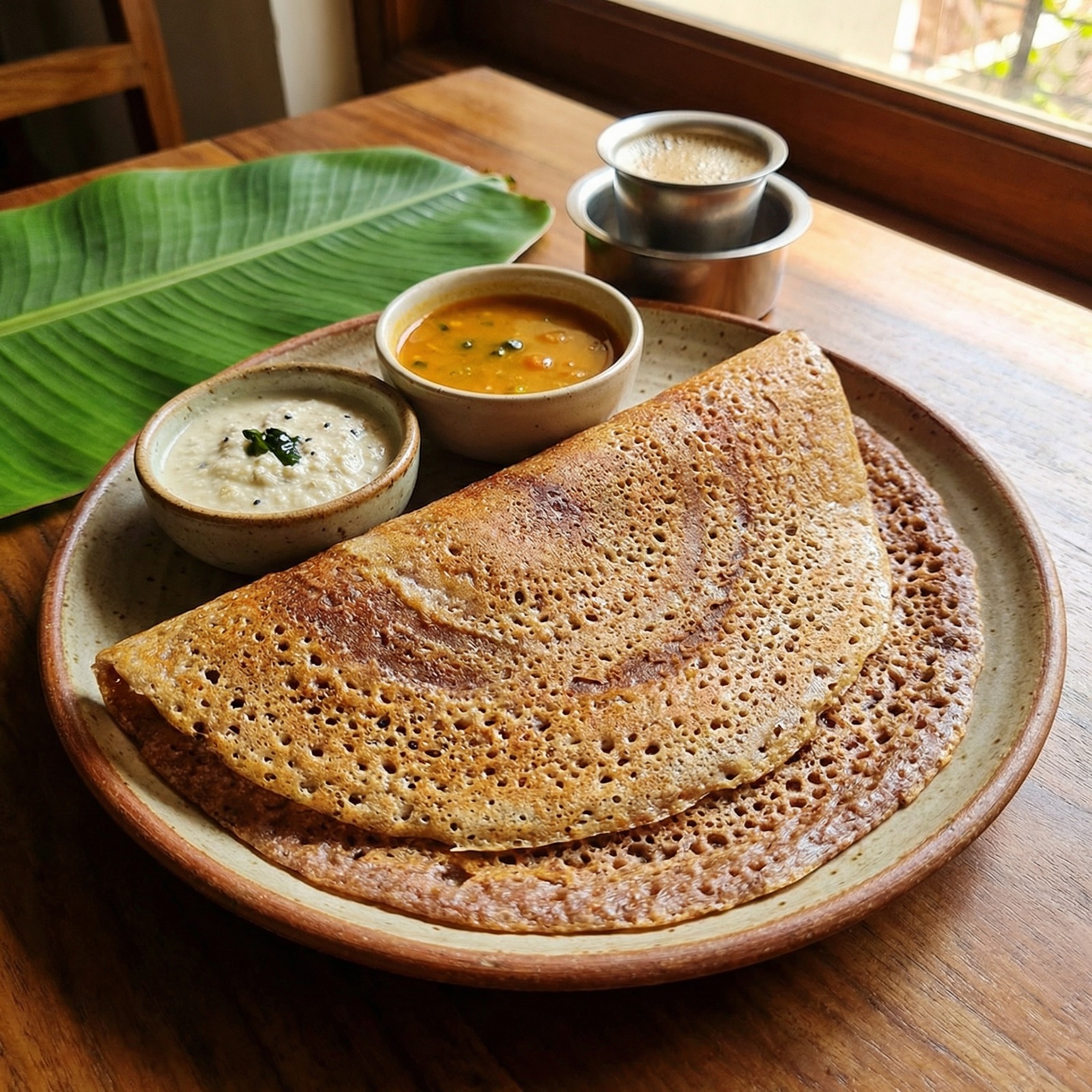
One of the easiest ways to include millets in everyday meals is through familiar breakfast dishes. Idli, dosa, and adai can all be made using millet batters instead of regular rice. The taste is slightly different, sometimes a little nuttier, but most people enjoy the change once they try it.
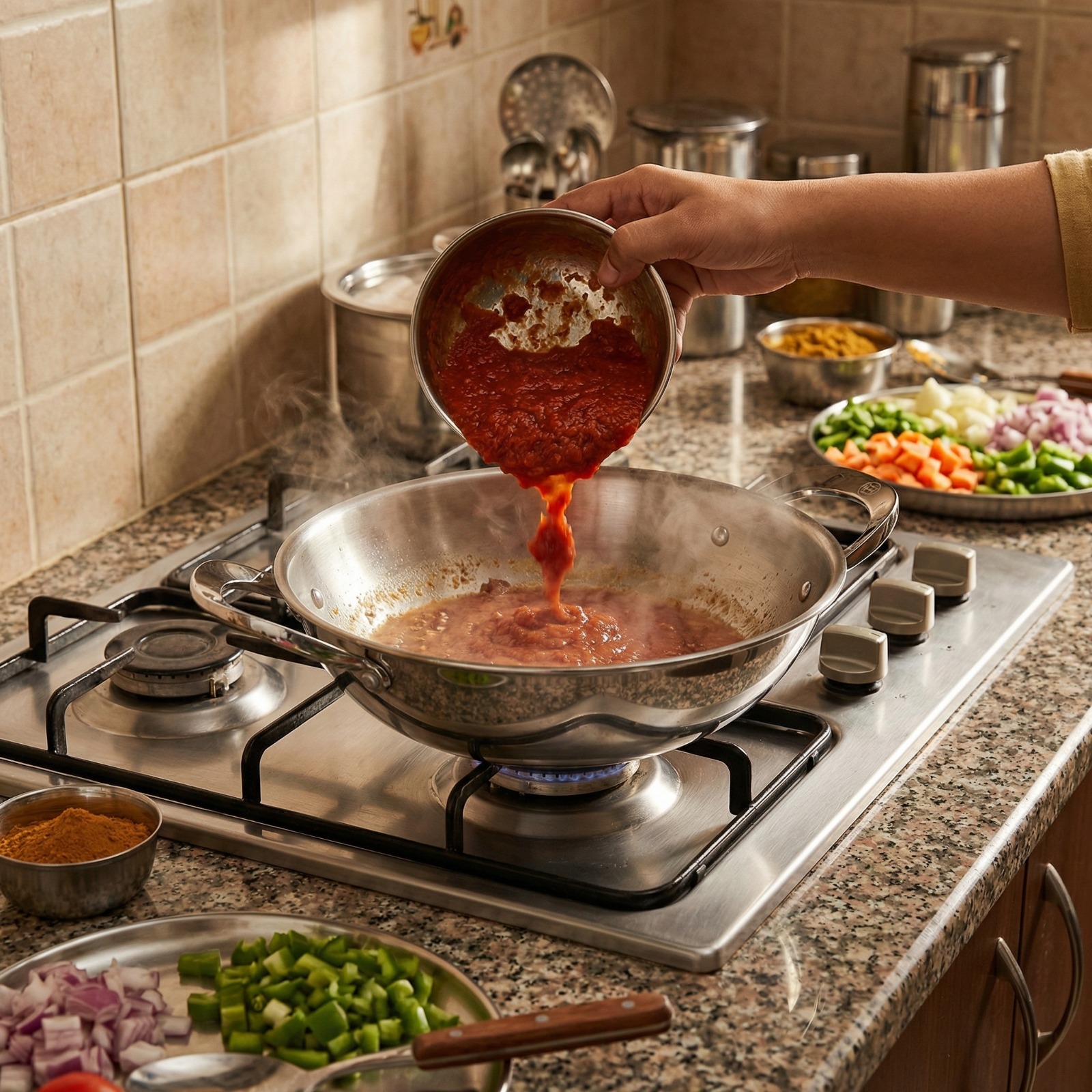
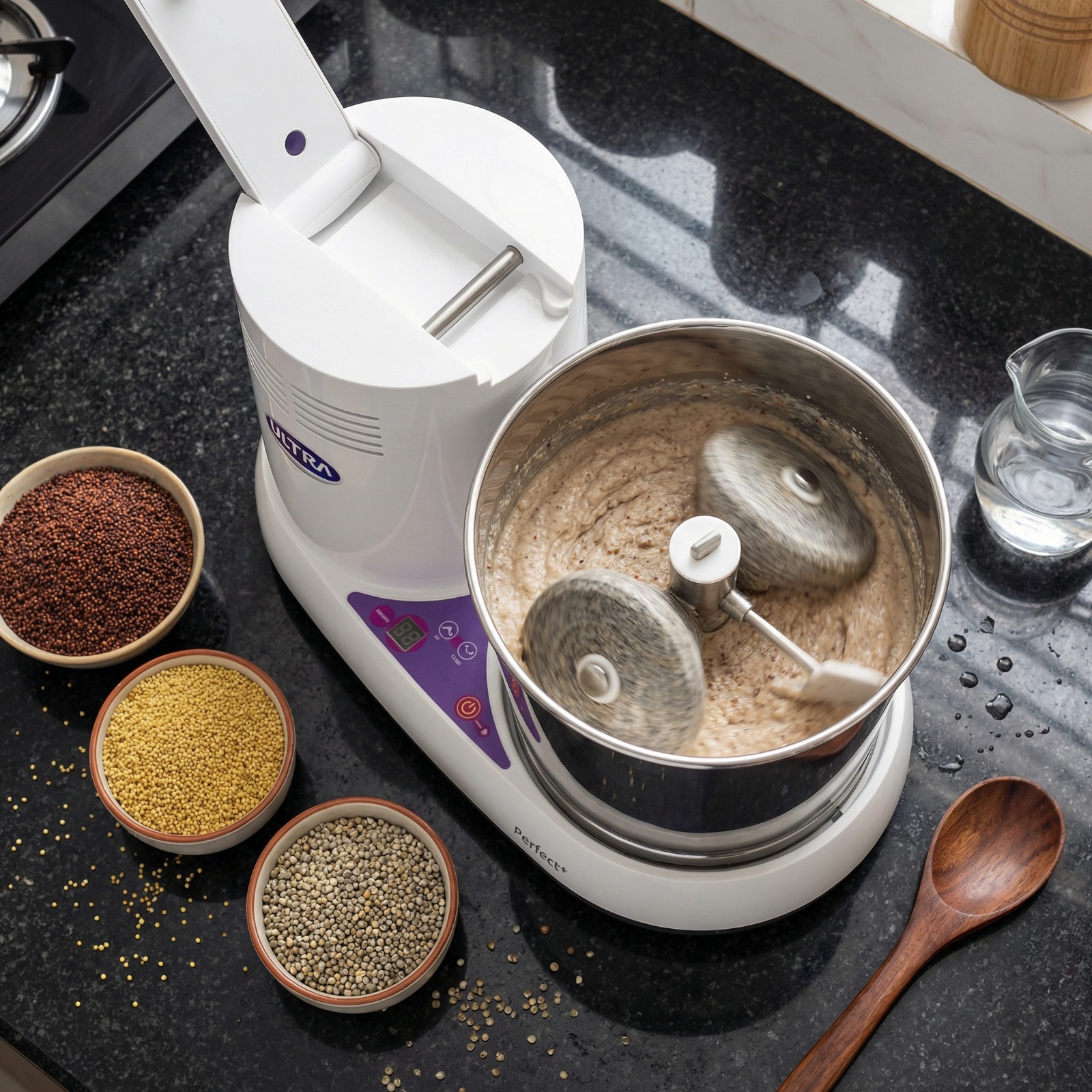
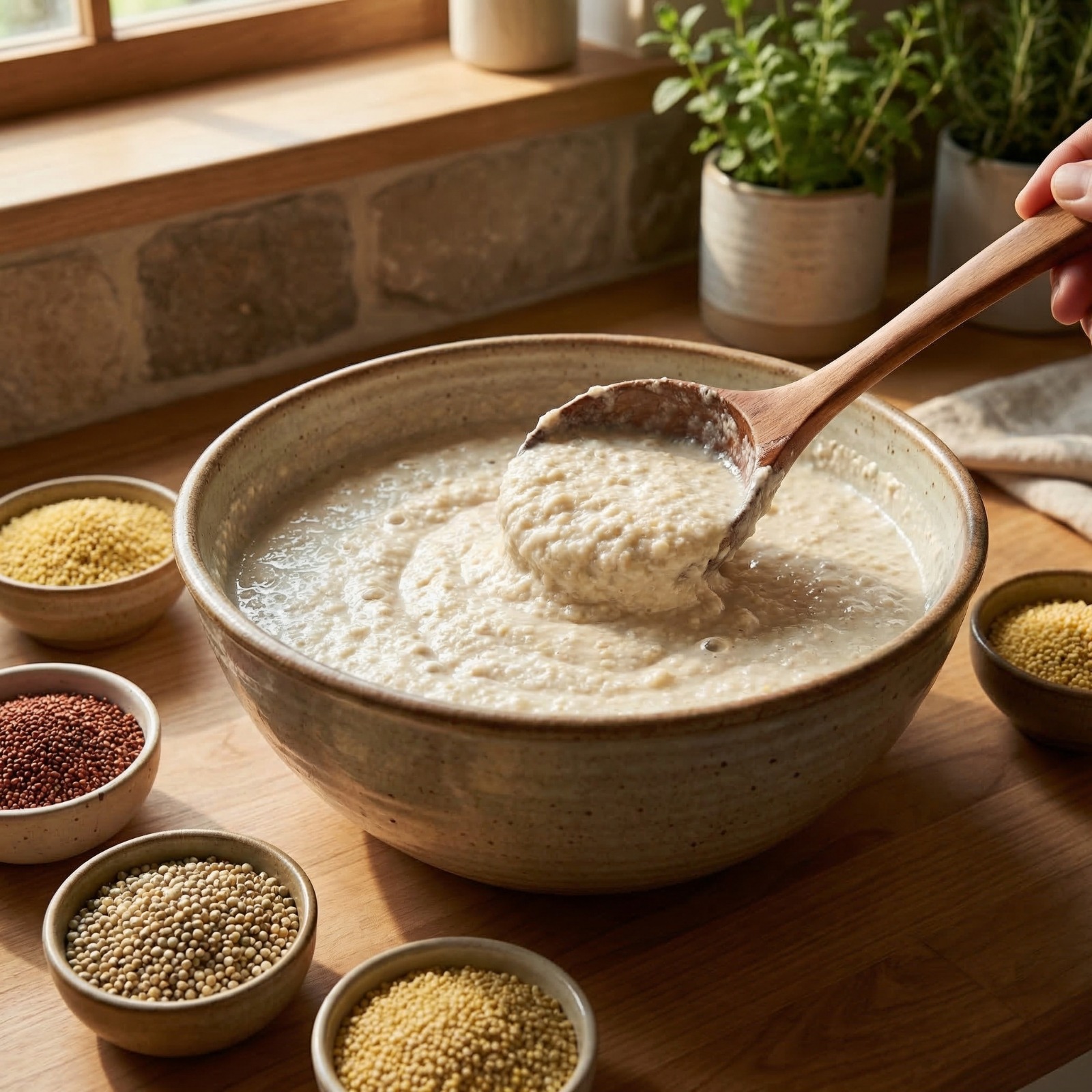
Grinding the batter properly is important though. Millets are slightly harder grains compared to rice, so using a slow grinding method helps maintain the right texture. This is why many people prefer using a wet grinder for millet batters. The stone rollers crush the soaked grains gradually, which keeps the batter cool and helps fermentation happen naturally.

You can explore the full wet grinder range here:
https://www.elgiultra.com/wet-grinders

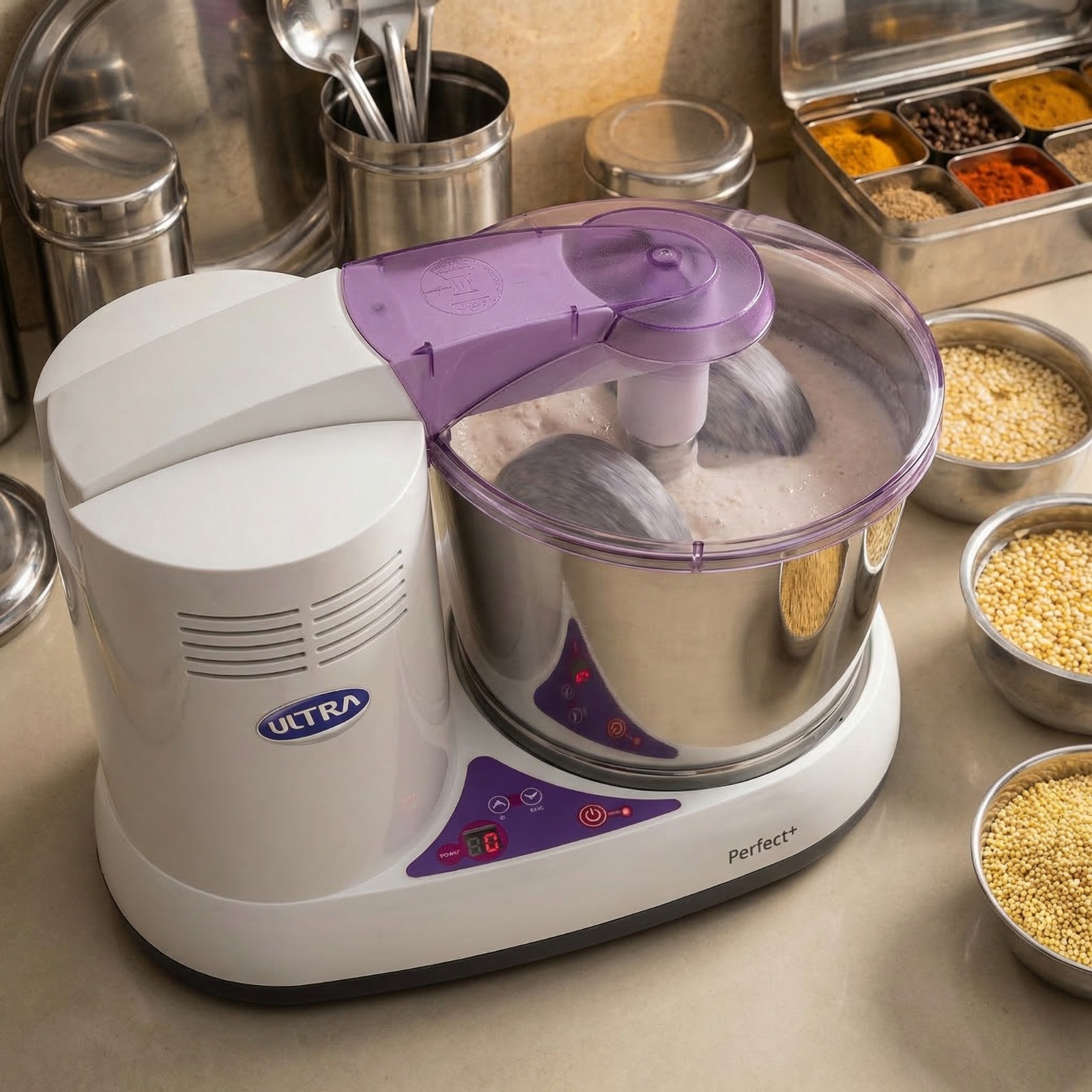
Appliances like the Ultra Mini T Wet Grinder or other models in the Elgi Ultra wet grinder range are designed exactly for this type of grinding.

Below are a few millet batter recipes that are simple to prepare at home.

Ragi Dosa

Ragi dosa is probably the first millet dish many people try. Ragi, also called finger millet, is known for its calcium content and earthy flavor.

Prep time: 6 hours soaking + fermentation overnight
Cook time: 3–4 minutes per dosa
Serves: 4

Ingredients

  • 1 cup ragi
  • ½ cup urad dal
  • 1 tablespoon fenugreek seeds
  • Salt
  • Water as needed

Method

Start by washing the ragi and soaking it in water for around six hours. In another bowl, soak the urad dal along with fenugreek seeds.

When the soaking is done, grind the urad dal first in the wet grinder. This usually takes around 20 minutes until the batter becomes fluffy. After that, add the soaked ragi and grind again until the mixture turns smooth.

Mix both together, add salt, and allow the batter to ferment overnight. The next morning, spread the batter on a hot dosa pan and cook until crisp.

Kambu Dosa

Kambu, or pearl millet, has been part of traditional Tamil cooking for generations. It gives slightly thicker dosas with a mild earthy taste.

Prep time: 6 hours soaking
Cook time: 4 minutes
Serves: 4

Ingredients

  • 1 cup kambu (pearl millet)
  • ½ cup idli rice
  • ¼ cup urad dal
  • ½ teaspoon fenugreek seeds
  • Salt

Method

Wash and soak the millet, rice, and dal for about six hours. Grind the urad dal first until it becomes light and airy.

Next add the soaked kambu and rice. Continue grinding until the batter becomes smooth but not overly thin.

After fermentation overnight, this batter spreads nicely on the pan and gives soft dosas with crispy edges.

Foxtail Millet Idli

Foxtail millet, also called thinai, works surprisingly well for idli. The texture becomes soft and slightly fluffy.

Prep time: 6 hours soaking
Cook time: 10 minutes steaming
Serves: 4

Ingredients

  • 1 cup foxtail millet
  • ½ cup urad dal
  • 1 tablespoon poha
  • Salt

Method

Soak millet separately and soak urad dal with poha.

Grind the urad dal first until fluffy. Then grind the millet separately to a slightly coarse consistency. Combine both batters and allow fermentation overnight.

Pour the batter into idli molds and steam for around ten minutes.

Multi Millet Adai

Adai is a thicker dosa usually made with mixed lentils. Adding millets makes it even more nutritious.

Prep time: 4 hours soaking
Cook time: 5 minutes
Serves: 4

Ingredients

  • ½ cup ragi
  • ½ cup foxtail millet
  • ½ cup kambu
  • ½ cup chana dal
  • ¼ cup toor dal
  • 4 red chillies
  • Curry leaves
  • Salt

Method

Wash and soak everything together for four hours.

Grind the mixture in a wet grinder to a slightly coarse batter. Adai tastes better when the batter is not completely smooth.

Add chopped curry leaves and salt. Spread thick batter on a hot pan and cook with a little oil.

Little Millet Dosa

Little millet, or samai, produces very light and crisp dosas.

Prep time: 6 hours soaking
Cook time: 3 minutes
Serves: 4

Ingredients

  • 1 cup little millet
  • ½ cup urad dal
  • ½ teaspoon fenugreek seeds
  • Salt

Method

Soak the millet and dal separately.

Grind the dal first until fluffy, then grind the millet until smooth. Combine both and ferment overnight.

The batter spreads easily and produces thin crispy dosas.

Barnyard Millet Idli

Barnyard millet is another grain often used in healthy cooking. It is light and easy to digest.

Prep time: 6 hours soaking
Cook time: 10 minutes
Serves: 4

Ingredients

  • 1 cup barnyard millet
  • ½ cup urad dal
  • 1 tablespoon poha
  • Salt

Method

Soak ingredients and grind using a wet grinder until smooth.

Allow fermentation overnight. Steam in idli plates for about ten minutes.

Mixed Millet Batter

Many households prefer grinding a large batch of mixed millet batter and using it for both idli and dosa through the week.

Prep time: 6 hours soaking
Cook time: varies
Serves: 5–6

Ingredients

  • 1 cup foxtail millet
  • 1 cup little millet
  • 1 cup barnyard millet
  • 1 cup urad dal
  • 1 tablespoon fenugreek seeds
  • Salt

Method

Soak millets together and soak dal separately.

Grind dal until fluffy. Then grind the millets slightly coarse. Combine both batters and ferment overnight.

This batter works well for idli in the morning and dosa later in the week.

Why Wet Grinding Works Better for Millets

Millets are slightly tougher than rice, which is why grinding method matters.

Wet grinders use slow rotating stone rollers that crush grains gently. This helps maintain the natural texture of the batter and prevents excess heat during grinding.

Many home cooks prefer models from the Elgi Ultra wet grinder range because they are designed specifically for batter preparation.

You can explore them here:
https://www.elgiultra.com/wet-grinders

Final Thoughts

Switching to millets does not mean changing your cooking habits completely. In fact, most familiar South Indian dishes can be prepared the same way by simply replacing rice with millets.

Once you start experimenting with millet batters in a wet grinder, it becomes easy to include these grains in regular meals. Over time you may even discover new combinations that suit your taste.

wet-grinder-bigg+T

Elgi Ultra Grinder

Ultra is the pioneer in compact table top wet grinders and innovator of the patented conical stones. The patented conical stone design makes the batter smooth.

PATENTED CONICAL STONES

For effective grinding without high batter temperature rise

AISI 304 STAINLESS STEEL

Rust-resistant food-grade stainless steel drum for healthy food

ABS BODY

Lighter weight, longer life and great looks

150-WATT MOTOR

Powerful 150W motor for better grinding

2.5L WET GRINDER

Ideal for a family of 4

DIGITAL TIMER

Beep alert & auto switch-off at preset grinding time

MULTI UTILITY DRUM

Batter can be stored in the same drum after grinding

BATTER CLEANER

For easy cleaning of conical stones

A Simple Weekend South Indian Breakfast Prep Guide Using a Wet Grinder

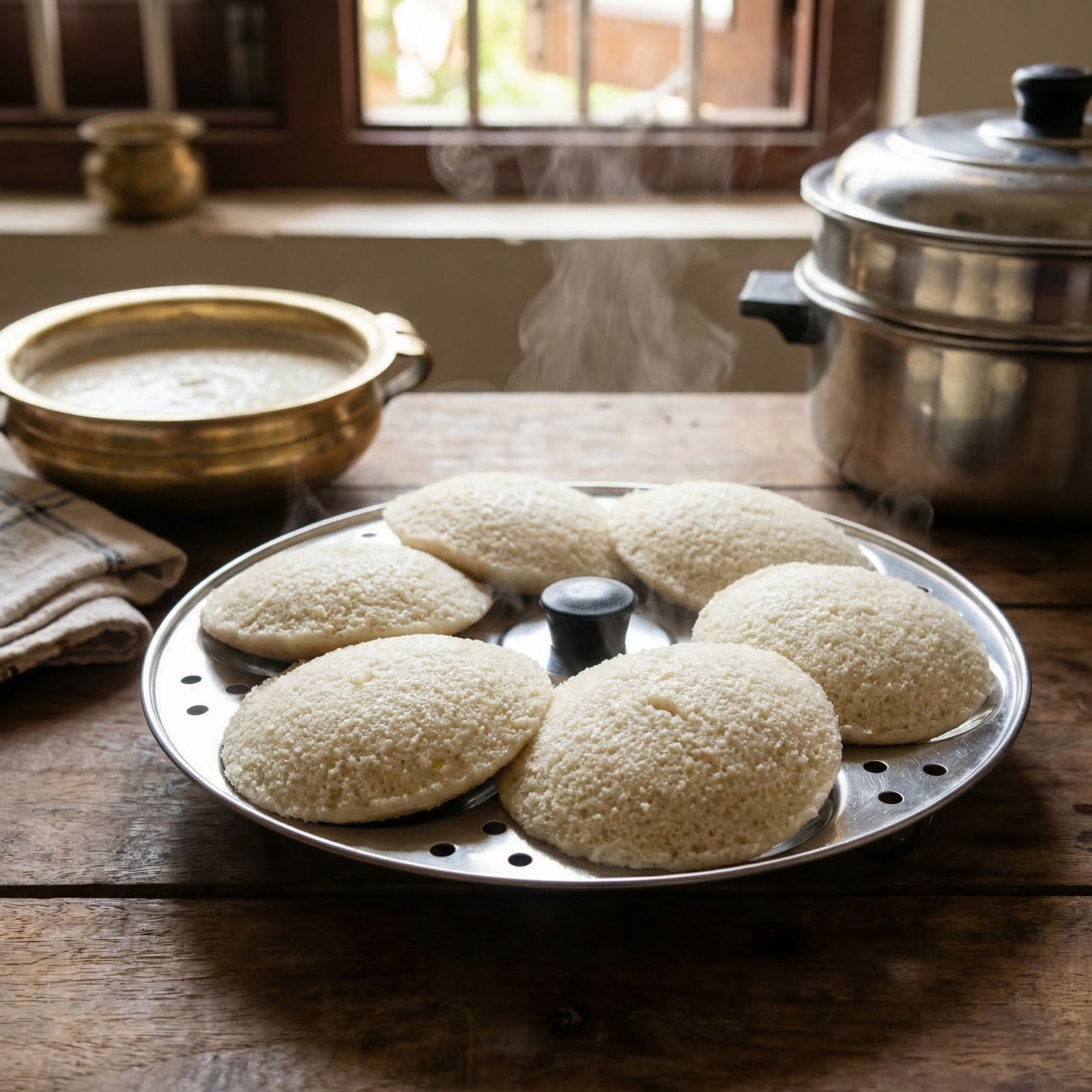
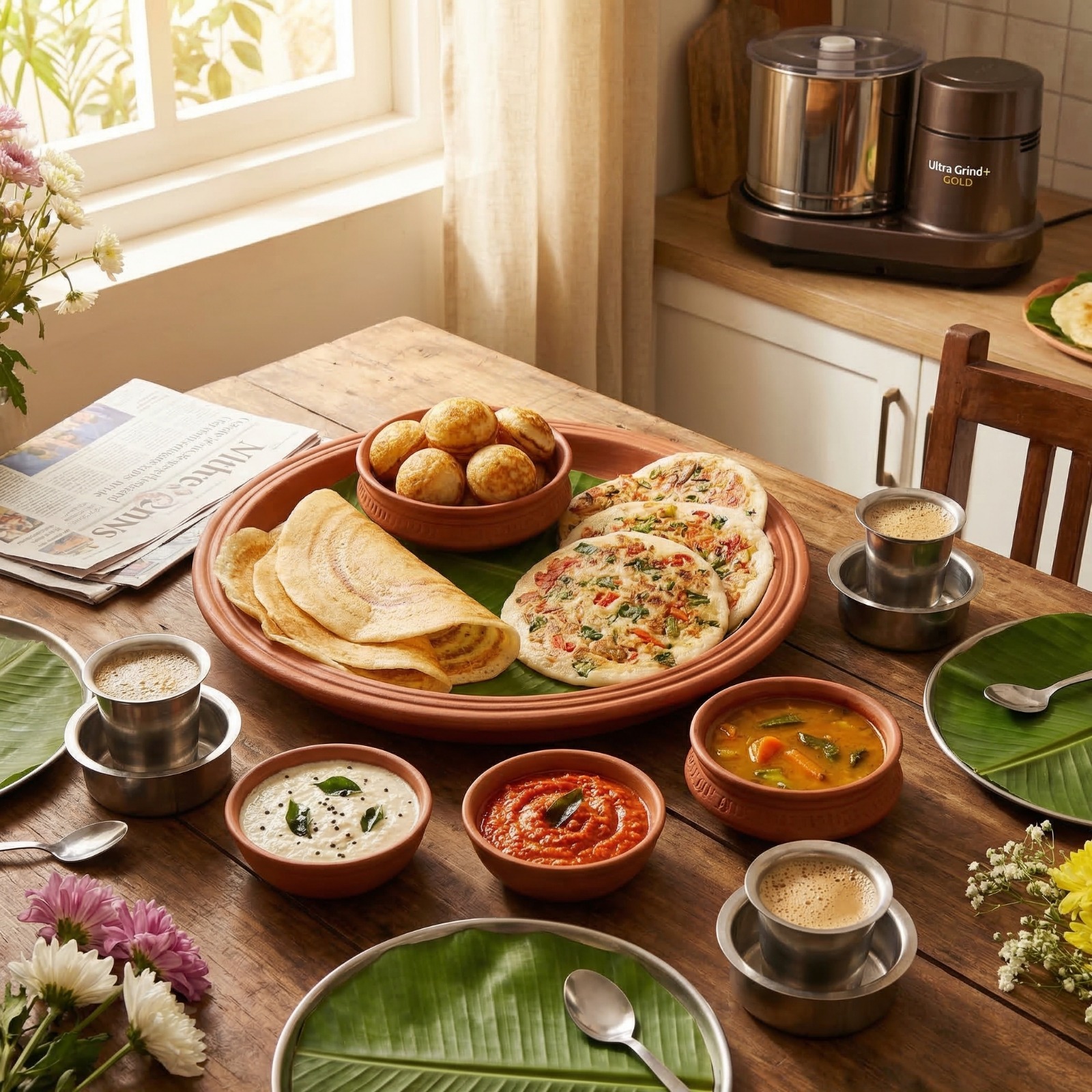
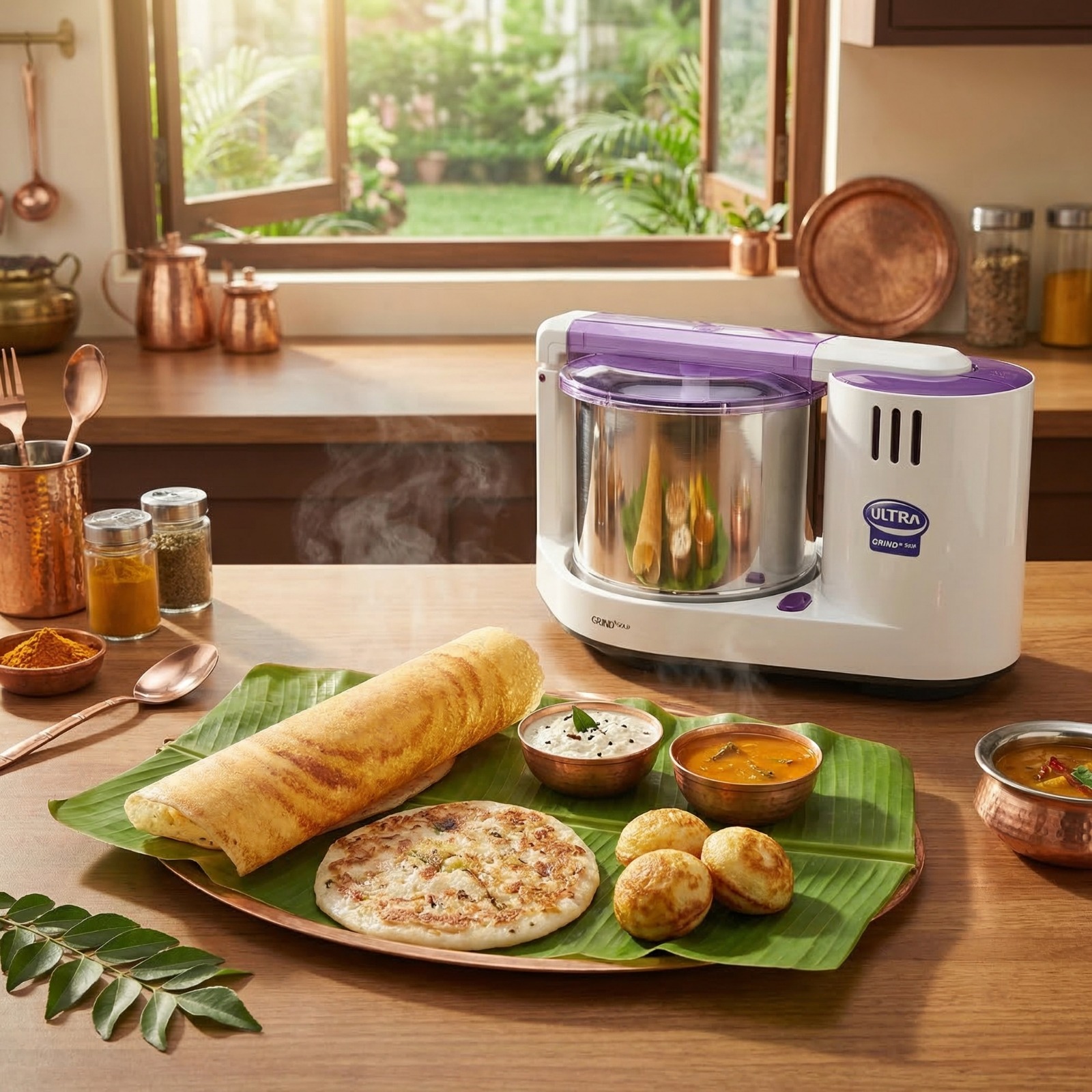
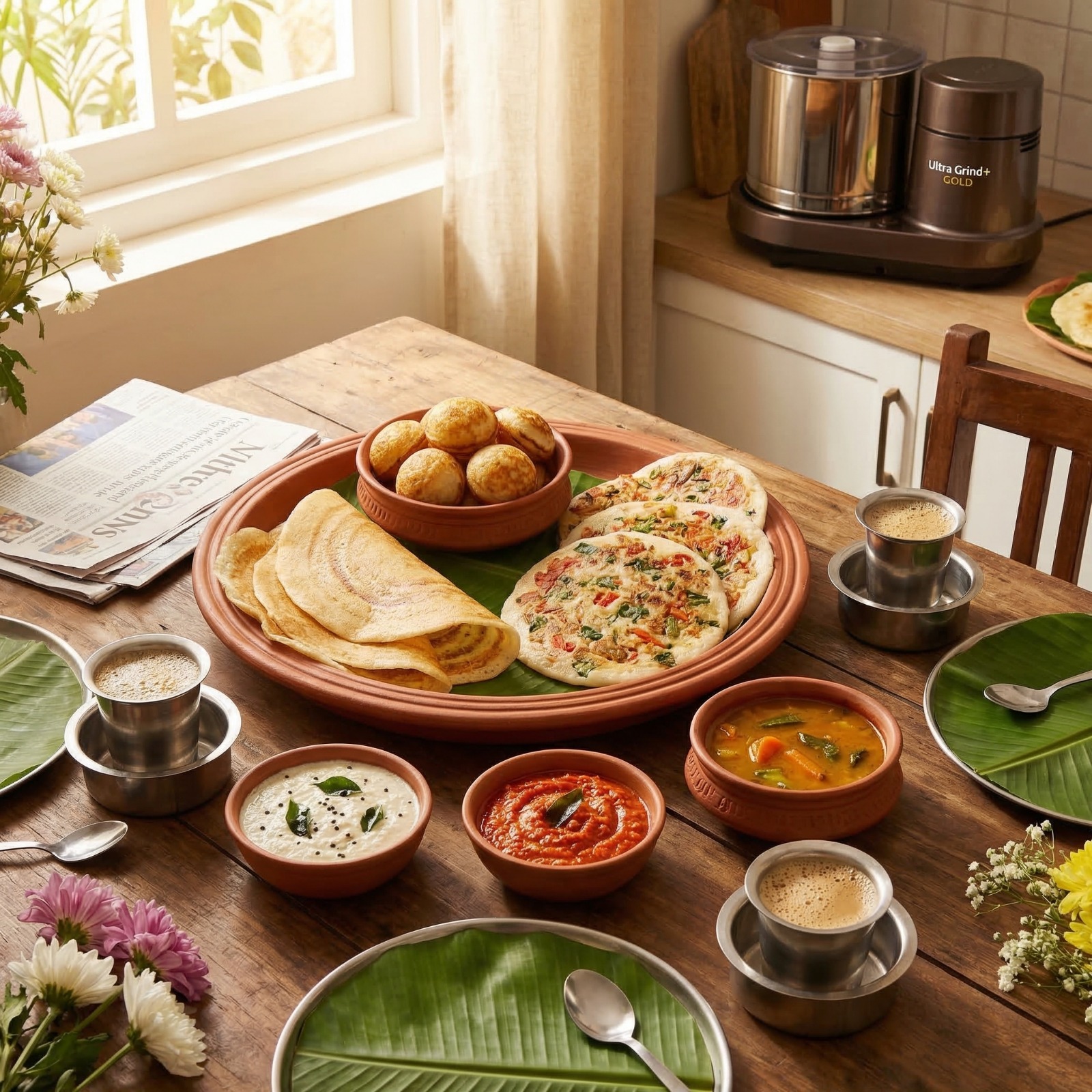
Weekend mornings tend to move at a slower pace in many South Indian homes. There’s usually more time to cook, more time to sit together, and more time to enjoy breakfast. Instead of rushing through toast or cereal, many families prefer something familiar. A plate of dosa, maybe uttapam later in the day, or paniyaram the next morning.
What makes these breakfasts manageable isn’t cooking everything from scratch each time. The real secret is the batter prepared a day earlier.

Once a good batch of fermented batter is ready, it quietly becomes the base for several meals. With a little planning, one round of grinding can easily cover the entire weekend.

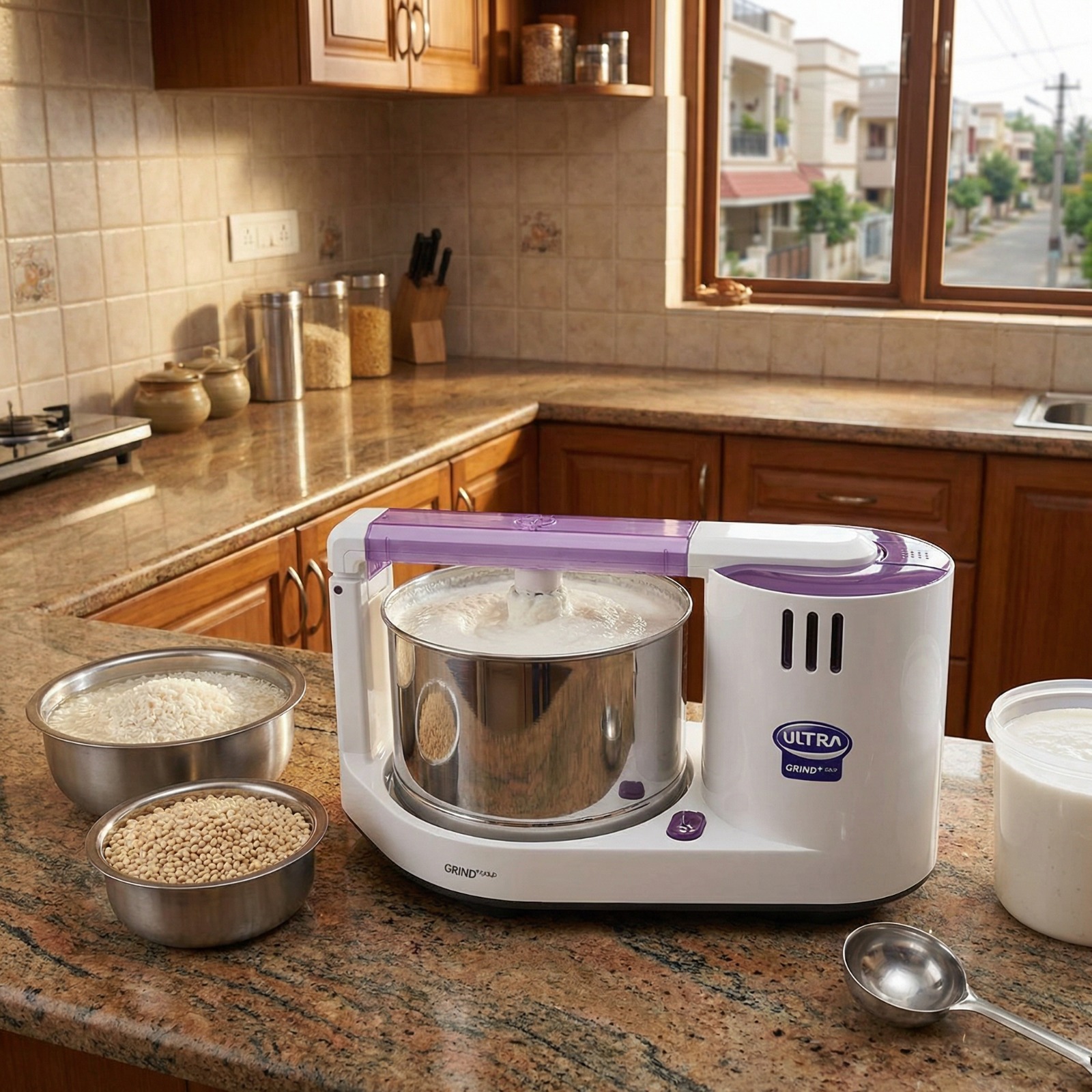
That’s also why many kitchens still rely on wet grinders when preparing dosa and idli batter. While mixer grinders can do the job quickly, the texture they produce is often different. Wet grinders work slowly, pressing soaked rice and lentils between rotating stones. The process takes longer, but the batter tends to ferment better and produce softer idlis and crispier dosas.

For example, many households use the Elgi Ultra Grind+ Gold Wet Grinder, a compact table-top model designed specifically for home kitchens. You can see the full details here:
https://www.elgiultra.com/grind-gold.html

Some families prefer the Elgi Ultra Perfect+ Wet Grinder, which includes a digital timer and a slightly larger grinding capacity. Product information is available here:
https://www.elgiultra.com/perfect.html

Both models follow the same principle. Slow grinding using conical stones helps preserve the natural texture of soaked grains.

Once you understand the rhythm of batter preparation, the rest of the weekend cooking becomes surprisingly easy.

Preparing the Batter

Most dosa, uttapam, and paniyaram recipes start with a similar batter. The difference comes later in how the batter is used.

Serves: about 5 to 6 people
Preparation time: 20 minutes
Soaking time: 4 to 6 hours
Grinding time: around 30 minutes
Fermentation: overnight

Ingredients

  • 3 cups idli rice
  • 1 cup whole urad dal
  • 1 teaspoon fenugreek seeds
  • Salt
  • Water as needed

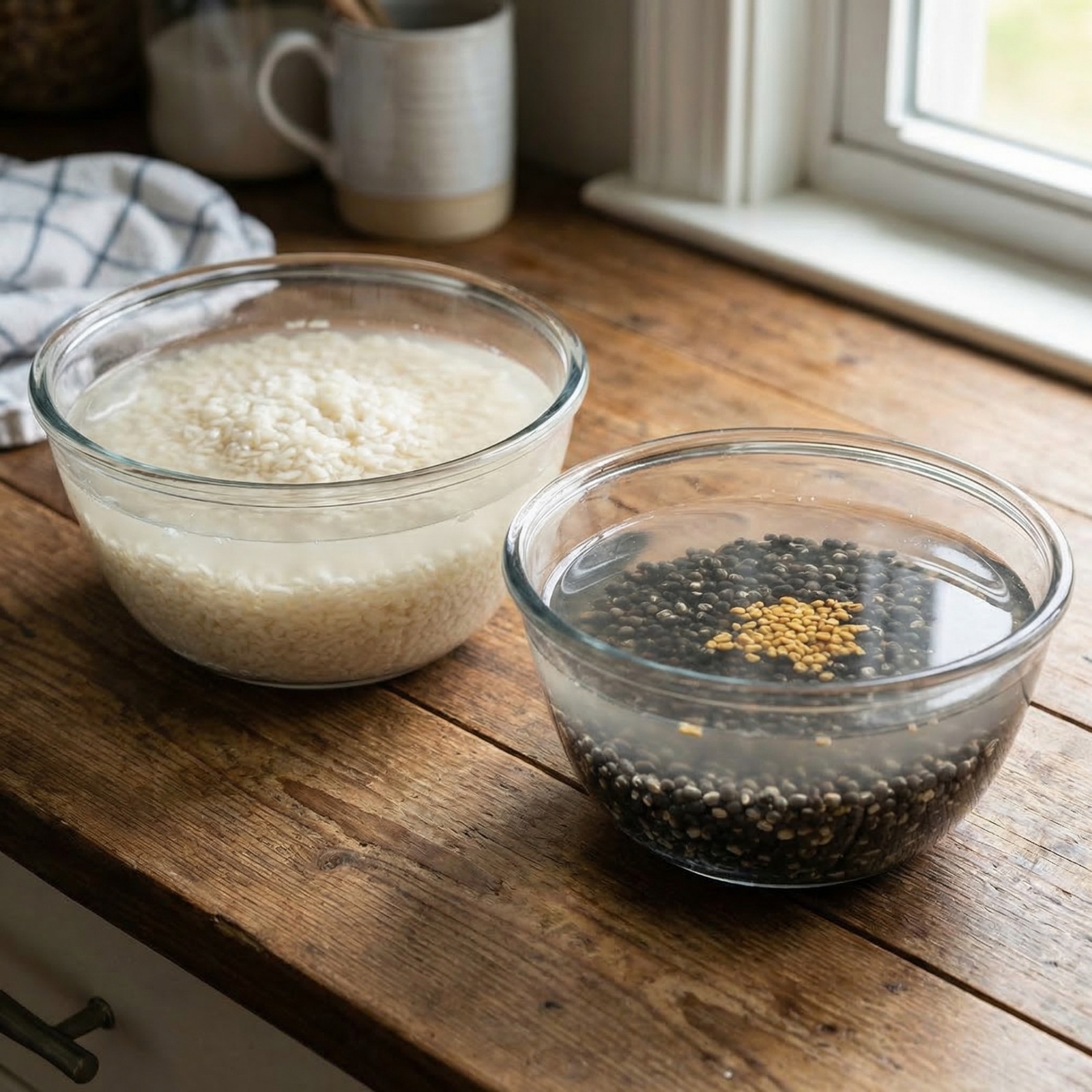
Start by washing the rice well. Usually two or three rinses are enough until the water looks clear. The rice then goes into a large bowl filled with water.

In a separate bowl, soak the urad dal along with the fenugreek seeds. Both ingredients need several hours to soften properly, so this step often happens sometime in the afternoon or early evening.

After four to six hours, the grains will be ready to grind.

Grinding the Batter

Combine both batters together in a large container. Add salt and mix everything thoroughly. Many cooks still prefer using their hands for this step because it distributes the ingredients evenly and introduces air into the batter.

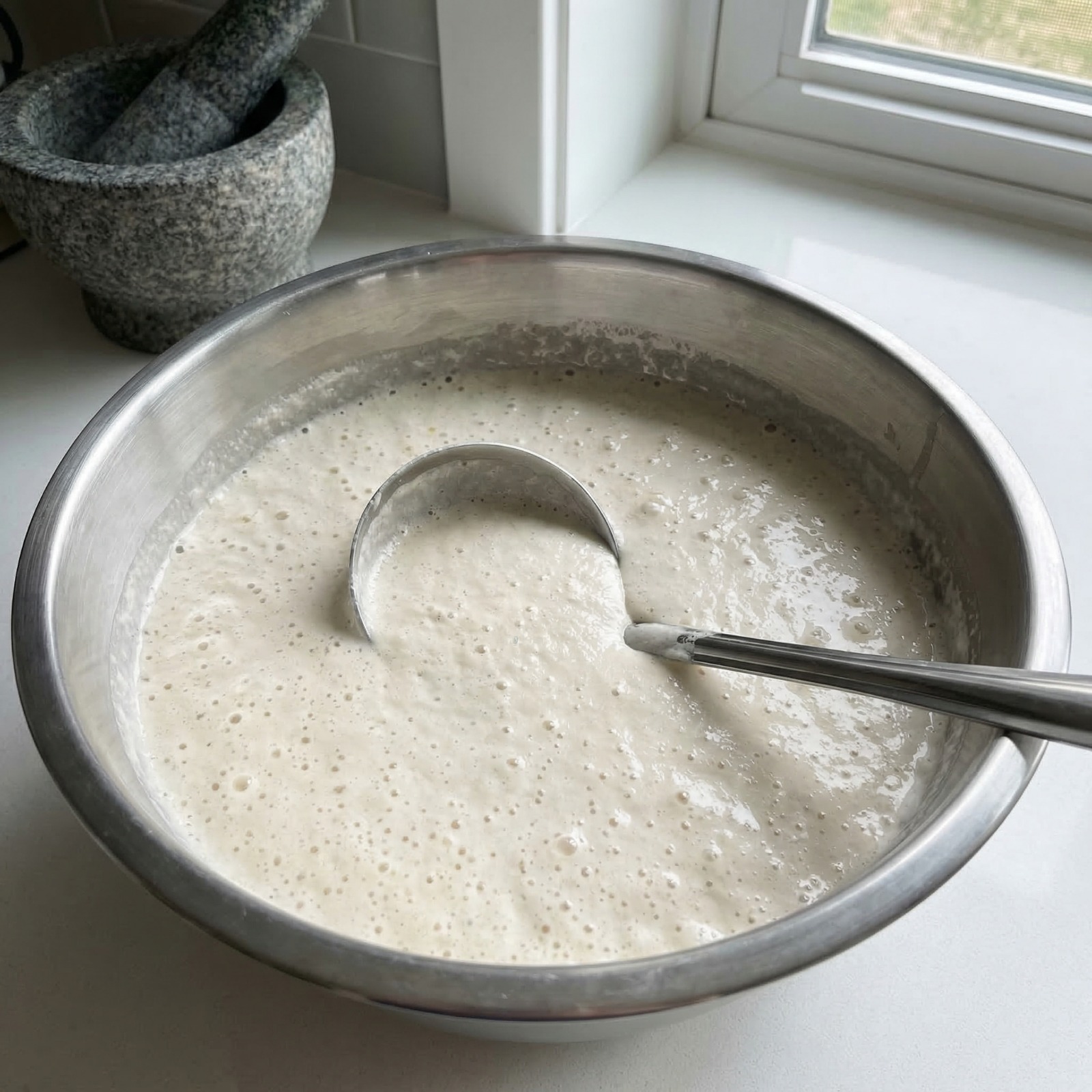
Cover the bowl loosely and leave it in a warm place overnight. By morning, the batter should have risen slightly and developed a mild fermented smell. That is a good sign that it is ready to cook.

Grinding normally begins with the urad dal.

Add the soaked dal into the wet grinder with a little water and allow it to grind until it turns smooth and slightly fluffy. This stage matters more than many people realize. Properly ground urad dal is what gives idli their softness and helps dosa batter ferment well.

Wet grinders are particularly suited for this step. Instead of spinning blades at high speed, the stones rotate slowly and press the grains gently. In grinders like the Elgi Ultra Grind+ Gold Wet Grinder, this process usually takes around fifteen minutes.

Once the urad batter is ready, transfer it into a large bowl.

Next comes the rice. Add the soaked rice into the grinder and let it grind until it reaches a slightly coarse texture. The batter should not become completely smooth. That tiny bit of graininess helps dosa develop the right crispness later.

Saturday Morning Dosa

Fresh batter almost always makes the best dosas.

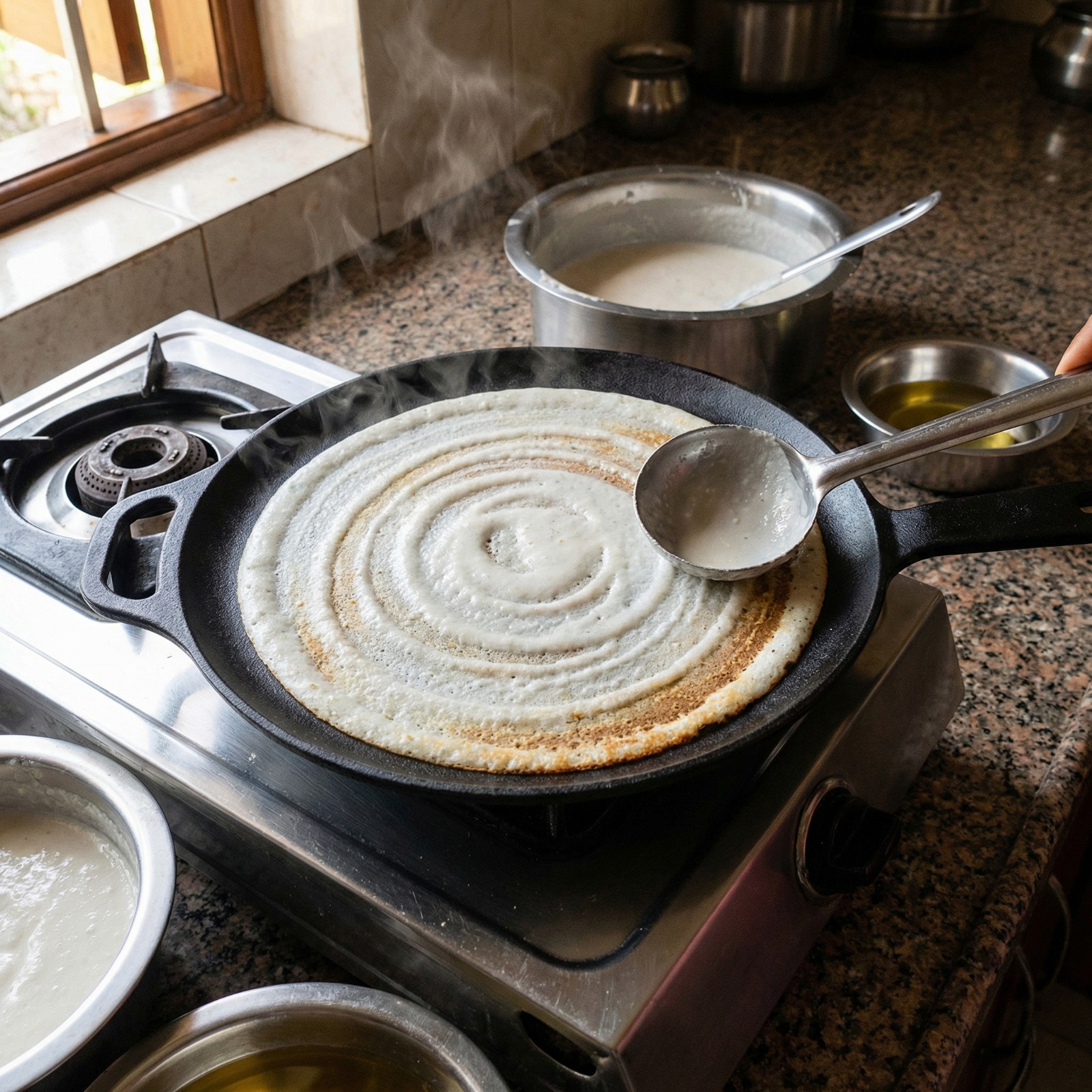
Heat a dosa tawa until it’s properly hot. Pour a ladle of batter in the center and spread it outward in a circular motion using the back of the ladle. The thinner the layer, the crisper the dosa usually becomes.

Add a small amount of oil or ghee around the edges and allow it to cook until the base turns golden.

At this stage, the dosa lifts easily from the pan. Some people flip it briefly, while others prefer serving it straight away.

Paired with coconut chutney or sambar, it becomes a classic weekend breakfast.

Saturday Evening Uttapam

Later in the day, the same batter can be used in a different way.

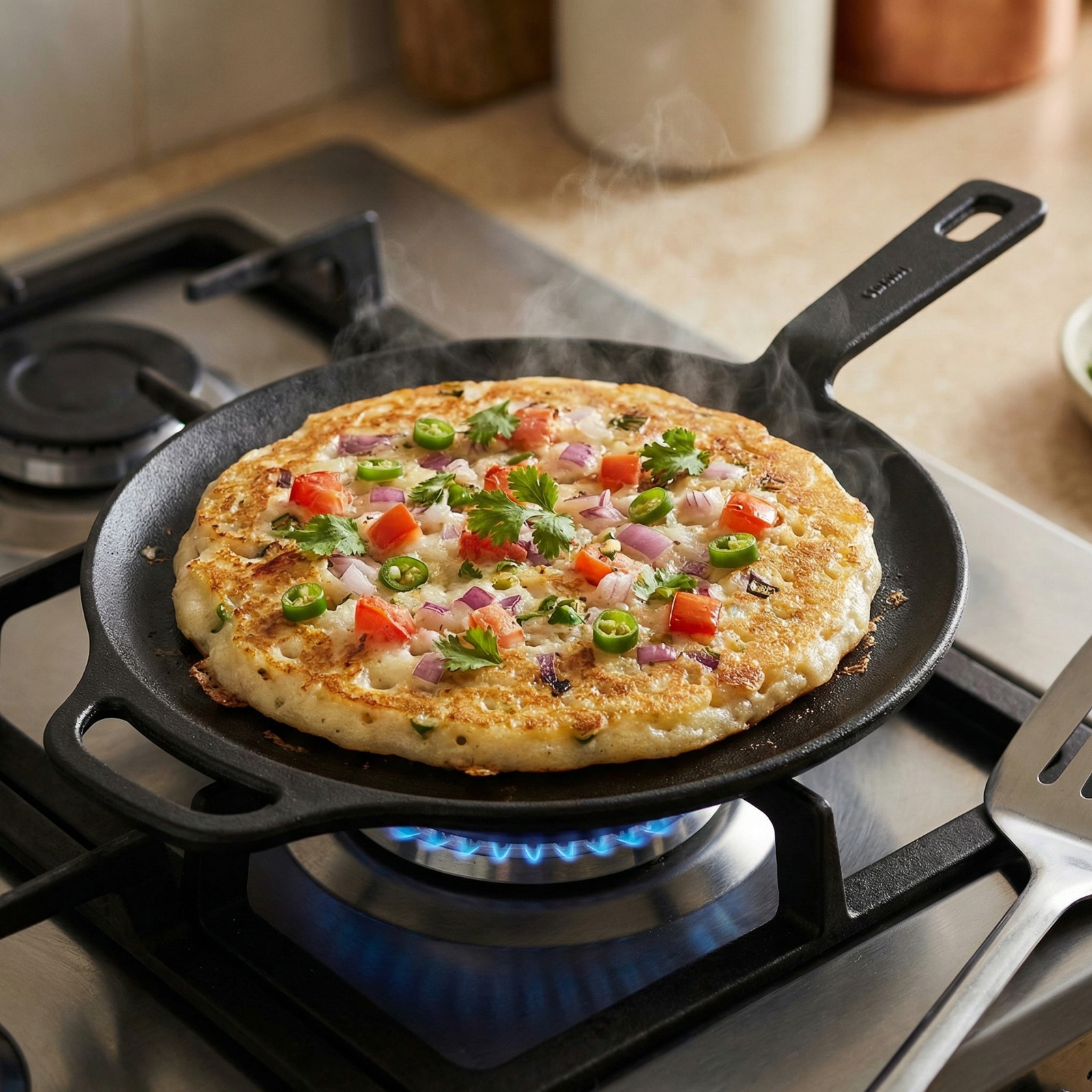
Instead of spreading the batter thin like dosa, pour it thicker onto the pan. Scatter chopped onions, tomatoes, green chillies, and coriander leaves on top.

The batter cooks slowly, forming a soft interior with lightly crisp edges.

Uttapam works particularly well when the batter has fermented a little longer. The slight tang adds to the flavour.

For families that prepare batter frequently, a grinder with slightly larger capacity can be useful. Some households choose models like the Elgi Ultra Bigg+ 2.5L Wet Grinder, which can grind bigger batches when needed. You can explore that model here:
https://www.elgiultra.com/bigg.html

Sunday Morning Paniyaram

By Sunday, the batter usually becomes a little more fermented. Instead of making another round of dosa, many kitchens turn it into paniyaram.

A paniyaram pan works best for this dish.

Heat a little oil in each cavity. Prepare a quick tempering with mustard seeds, curry leaves, chopped onions, and green chillies. Mix this tempering into the batter.

Pour small portions into each cavity of the pan and allow them to cook slowly. The outside becomes golden and slightly crisp while the inside remains soft.

Once the bottom browns, flip them gently to cook the other side.

Served hot with chutney, paniyaram often becomes the final meal from the weekend’s batter.

Storing the Remaining Batter

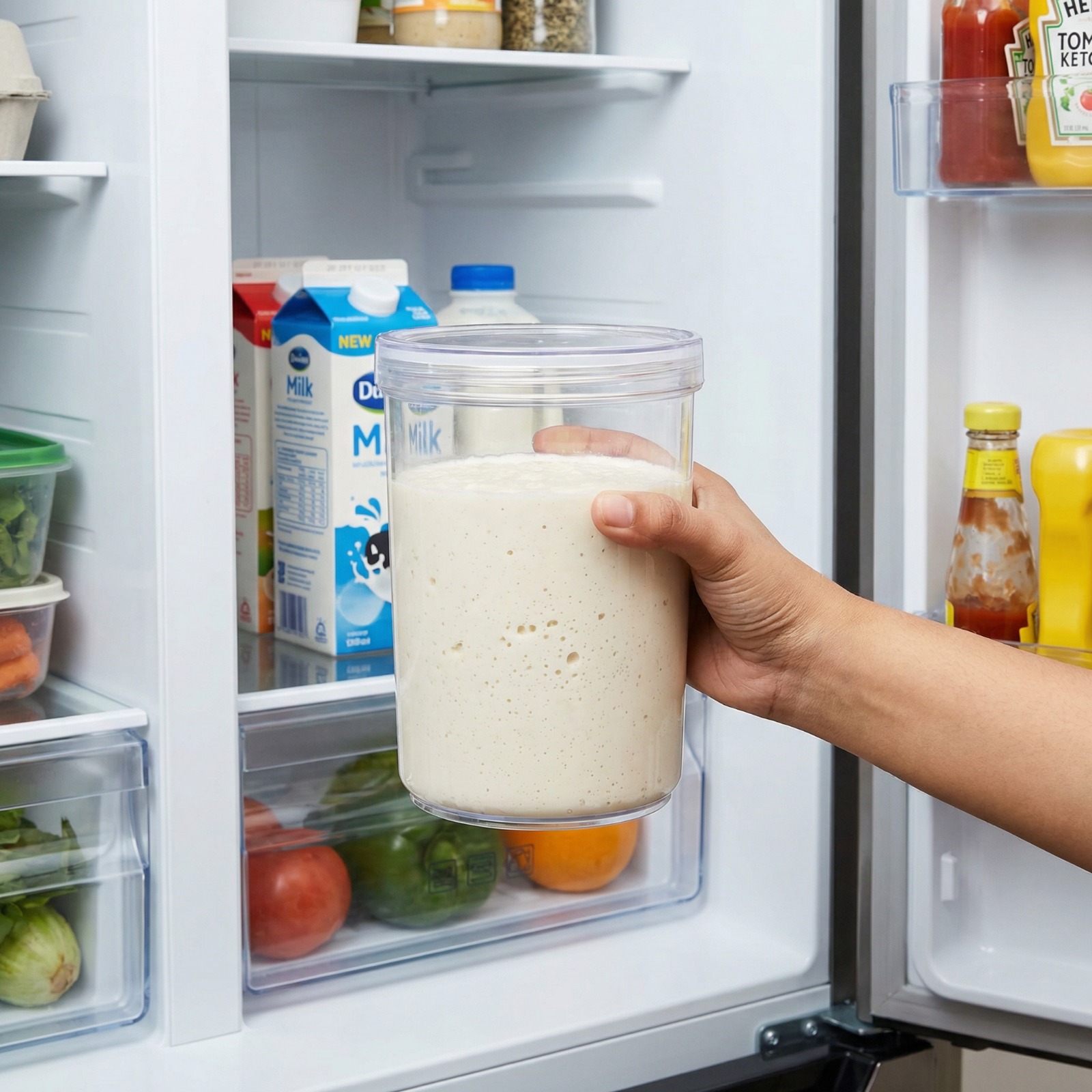
If any batter remains after the weekend meals, it can be stored in the refrigerator.

Cooling slows down fermentation and usually keeps the batter usable for several days. Always stir the batter gently before using it again so the texture remains consistent.

Some grinders, including the Elgi Ultra Perfect+ Wet Grinder, come with multi-utility drums that make transferring batter easier after grinding.

Why Many Kitchens Still Use Wet Grinders

Even with modern appliances available, wet grinders continue to have a place in traditional cooking.

The slower grinding process produces a batter that ferments naturally and maintains the texture needed for dishes like idli and dosa. Mixer grinders may be faster, but they often heat the batter during grinding, which can affect fermentation.

For households that regularly cook South Indian breakfasts, a wet grinder becomes a reliable kitchen tool.

wet-grinder-bigg+T

Elgi Ultra Grinder

Ultra is the pioneer in compact table top wet grinders and innovator of the patented conical stones. The patented conical stone design makes the batter smooth.

PATENTED CONICAL STONES

For effective grinding without high batter temperature rise

AISI 304 STAINLESS STEEL

Rust-resistant food-grade stainless steel drum for healthy food

ABS BODY

Lighter weight, longer life and great looks

150-WATT MOTOR

Powerful 150W motor for better grinding

2.5L WET GRINDER

Ideal for a family of 4

DIGITAL TIMER

Beep alert & auto switch-off at preset grinding time

MULTI UTILITY DRUM

Batter can be stored in the same drum after grinding

BATTER CLEANER

For easy cleaning of conical stones